
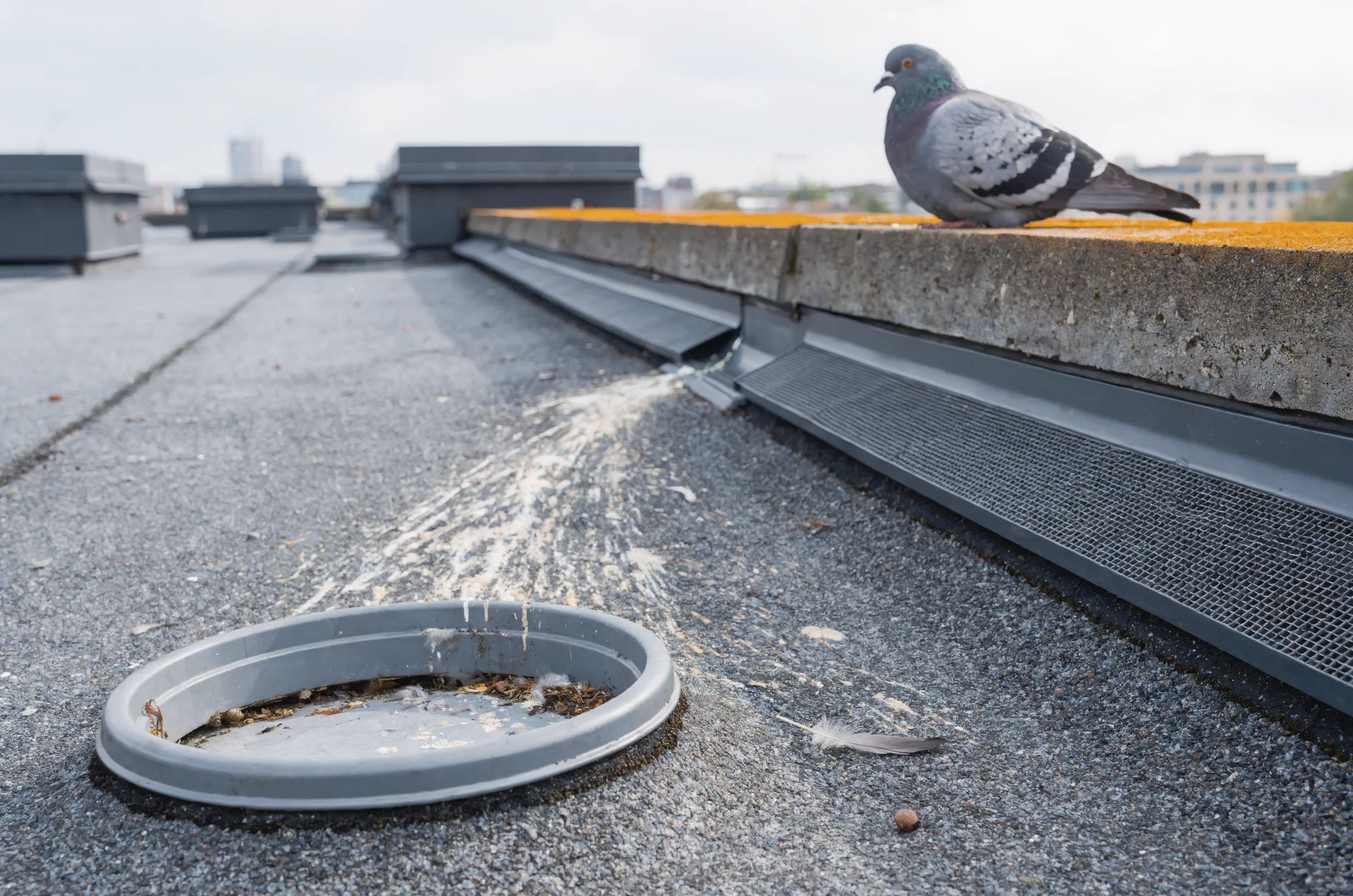
To reduce bird contamination risks in commercial rainwater harvesting, first check what the tank supplies and report any suspected entry of droppings to the person responsible for the system. You can start with site records and a safe view from ground level. If you’ve spotted a problem, it’s understandable to want it cleared quickly. I’d follow the route from the birds’ resting places to the tank, with cleaning, prevention and water quality treated as separate jobs.
Check what the tank supplies before touching the roof
Your first half-hour should establish where harvested water goes, whether anyone may be exposed and who can safely control collection.
Find the operating manual, drainage drawings and latest maintenance record. A tank labelled non-potable contains water that is not intended for drinking. Its suitability still depends on the particular use and the system’s design.
Work through this sequence:
- Identify the outlets supplied by the tank, including toilets, irrigation points and any equipment connected to the harvested-water pipework.
- Record what prompted concern: droppings beside a gutter, nesting material at an inlet, an open lid or a change in water appearance.
- Ask the authorised system operator whether incoming roof water should be diverted and whether affected uses need temporary restrictions.
- Tell the relevant building managers about those restrictions and record any alternative arrangements, so another shift does not unknowingly reverse them.
Prioritise any connection to drinking, food preparation or activities where people could swallow the water. Follow the site’s water safety arrangements and obtain competent advice before continuing a questionable use.
Avoid changing unfamiliar valves or improvising connections to the mains supply. If the system supports a critical building service, involve its responsible engineer before interrupting it.
Keep the first inspection at ground or plant-room level. Roof access, opening equipment and disturbing droppings need their own assessment.
Map the bird activity and every connected downpipe
Bird prevention works best when you know which resting places sit above the roof catchment: the roof area that feeds the collection system.
Mark where birds land and shelter
From a safe viewing position, look for repeated deposits below parapets, signs, roof equipment and sheltered recesses. Record the location of birds as well as the location of droppings.
Check whether deposits sit directly in a drainage channel or higher on a surface that drains towards it. Photograph identifiable building details so contractors can find the same spot.
Include sheltered spaces beneath rooftop installations in the survey brief. An apparently clear roof edge may sit beside a less visible resting place.
A single quiet visit cannot establish that birds have stopped using the roof. If evidence is unclear, arrange observations at different times without approaching or disturbing birds.
Trace each route into storage
Use the drainage drawing to connect each catchment area with its gutter, downpipe, filter and tank inlet, the pipe through which water enters storage.
Where drawings are incomplete, ask the rainwater contractor to confirm the route. Don’t assume every downpipe on the building feeds the same destination.
For example, a hypothetical warehouse might collect water from one roof slope while the loading canopy drains elsewhere. Proofing the canopy would leave the tank’s collection route unchanged.
Mark uncertain connections for investigation. Give every relevant roof zone and downpipe a simple identifier that can also appear in photographs and maintenance records.
Match the response to the exposure route
Droppings on a collection roof create a reason to assess the water system. They do not establish which organisms, if any, are present in stored water.
Treat droppings as an unwanted source of microbes and organic material. Microbes are tiny organisms; some can cause illness. The practical question is how material could reach the tank and how people could then encounter that water.
Swallowing water, handling dirty equipment and breathing dust during cleanup involve different exposure routes. Keep them separate in the assessment. Background information on pigeon droppings health risks can help explain why cleaning also needs controls.
Clear water and a normal smell do not establish suitability for use. Equally, visible deposits on the roof are not a diagnosis of the tank’s contents.
Ask the water-system specialist whether inspection, sampling or corrective treatment is appropriate for the intended use. Any sampling plan should identify the question being answered, suitable sampling points and how the results will affect operation.
Include the mains top-up arrangement in that review if the system has one. Ask the contractor to confirm that its separation from harvested water remains appropriate.
Record existing water-use restrictions while those questions remain unresolved.
Arrange catchment cleaning before proofing starts
Existing roof deposits need a removal plan before new deterrents are fitted. Otherwise, the next rainfall may carry remaining material towards the collection system.
Pause clearance where nesting is possible
If birds are occupying a nest or repeatedly entering a sheltered space, stop proposed clearance or exclusion work there. Obtain species-specific advice and have the assessor confirm any legal constraints before work proceeds.
The checks covered in gutter bird nest removal are relevant where nesting material obstructs a collection route.
Ask the building manager and contractors to agree temporary drainage arrangements while that area remains unresolved. Keep the restriction visible in the work order.
Keep cleaning residues out of collection
The cleaning plan should explain how the tank will be protected from roof residues and wash-water. Arrange any necessary diversion or isolation through the rainwater contractor before cleaning begins.
Avoid dry sweeping or using a pressure washer to send deposits towards a gutter. Both the cleaning method and the handling of removed material need suitable controls.
For accumulated guano, meaning bird droppings, include safe access, protective equipment, waste collection and protection of people below. The guidance on commercial roof guano cleanup provides a separate planning reference.
Check proposed cleaning products with the roof and rainwater-system specialists. A product suitable for one surface may be unsuitable for materials or equipment elsewhere in the collection route.
If material has already entered storage, roof cleaning alone does not resolve the tank assessment. Record that as a separate outstanding task.
Fit proofing where birds land, shelter and return
Bird proofing should address the identified resting places while preserving drainage, maintenance access and safe operation of rooftop equipment.
Use ledge deterrents for ledge problems
Spikes may suit particular narrow landing surfaces when their design and positioning match the birds and structure. Ask the installer to explain which surface each strip is intended to protect.
Check adjacent landing spots. A treated ledge beside an untreated pipe or bracket may leave birds close to the same collection gutter.
Spikes do not form a cover over the roof. Droppings can still arrive from birds passing overhead or using neighbouring structures, so downstream protection remains part of the job.
Avoid makeshift installations that create sharp obstructions around access routes or leave loose components above drainage channels.
Assess sheltered areas for netting or mesh
Netting or mesh may suit recesses and sheltered areas where individual ledge deterrents would leave access. The design needs to account for the target birds, fixing surfaces and routine maintenance.
A roof plan supplied to BuzzKill Pest Control for bird control should distinguish the rainwater catchment from neighbouring roof areas. Include the drainage survey so the proposed work addresses the relevant locations.
Ask how the installer will prevent birds becoming trapped, maintain tension and provide access to drains and equipment. Existing nesting activity must be resolved before an area is enclosed.
Agree inspection responsibilities at handover. The bird netting maintenance checklist can support the bird-control inspection record alongside the rainwater system’s own maintenance instructions.
Photograph completed work and mark inspection access points on the roof plan.
Guard drainage and close openings into the tank
Drainage protection should limit unwanted material entering the collection route while allowing the system to handle its intended water flow.
Choose guards that remain maintainable
Ask the rainwater contractor to assess gutter guards, outlet screens and existing filters together. A guard that is difficult to reach or clean can leave a recurring maintenance problem.
Coarse screens can intercept larger debris, but they do not establish microbiological water quality. Keep that distinction clear when reviewing proposed work.
Check how a blocked screen would affect drainage. Water backing up or spilling elsewhere may create a building problem even if less debris reaches storage.
Avoid adding fine mesh without checking compatibility and flow requirements. Record where each guard sits and how staff will recognise that it needs attention.
Inspect the lid, vents and overflow
Roof runoff is only one possible route into storage. Ask for checks of the tank lid, access covers, pipe penetrations and any openings that could admit birds or loose material.
Vent and overflow protection must suit the equipment’s design. Don’t seal a vent or obstruct an overflow to close an apparent gap.
Look for displaced covers, damaged screens and openings left after maintenance. Photograph accessible defects rather than reaching inside equipment.
Keep lids secured after inspection. Tank entry requires a separate assessment of enclosed-space hazards and should never become an informal facilities task.
Divert the first runoff without relying on it for treatment
A first flush diverter sends an initial portion of roof runoff away from storage. It may reduce the early load of material washed from the collection surface, but it cannot establish that the remaining water is suitable for use.
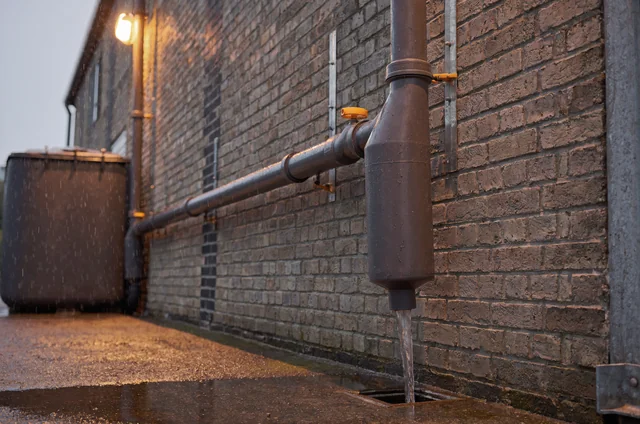
Check whether diversion already exists
Start with the system drawings and manufacturer’s instructions. Some installations already manage initial runoff through their collection arrangement. Ask the installer to explain what happens before proposing another component.
Where an additional diverter is appropriate, have the rainwater specialist specify its position and capacity. Roof area, drainage layout, local conditions and the existing equipment all affect that decision.
Avoid choosing a volume from a generic online example. A device needs a clear design basis and a maintenance arrangement that the site can support.
Include access for inspection in the proposal.
Confirm reset and discharge arrangements
A diverter needs a way to become ready for the next collection event. Ask how it empties or resets, what can obstruct it and what staff should check.
Confirm where diverted runoff goes. The discharge arrangement should be assessed for the site rather than directed casually onto a walkway, neighbouring property or occupied area.
Include the diverter in routine maintenance records. A fitted device with an unresolved blockage or reset fault should not be treated as a working safeguard.
Keep treatment decisions separate. If filtration or disinfection is part of the approved system, the water specialist should confirm its condition and suitability for the intended uses.
Use the next rainfall to check the whole route
The next suitable rainfall can help confirm whether roof protection, drainage and diversion work together, provided observations can be made safely.
Arrange the observation in advance. Staff need to know which locations to watch and which findings require the rainwater contractor’s attention.
Observe flow from safe positions
Use the marked plan to follow a genuine sequence:
- Check whether water leaves the relevant roof area through the expected drainage route, without approaching exposed edges.
- Observe accessible gutters and outlets for backing up, unusual overflow or debris collecting against new guards.
- Have the responsible contractor verify that any first flush arrangement diverts runoff and then operates as designed.
- Record accessible faults, filter warnings or leaks without opening equipment or defeating protective covers.
Rainfall observations confirm aspects of operation. They do not replace a water-quality assessment or authorise restricted uses to restart.
Set dates for unresolved work
By the next working day, give each defect an owner and a target date. Within 48 hours, check that unresolved collection or water-use restrictions have reached everyone who operates the system.
Those are coordination targets, rather than a promise that the system can return to service within two days.
For a large site, an interactive maintenance checklist could link each roof zone to its downpipe, photographs, inspection date and named owner.
Set future inspection timing using bird activity, site conditions and equipment instructions. Add checks after relevant roof work or damage, and record recurring deposits in the same locations.
Give bird control and rainwater maintenance clear responsibilities
A commercial rainwater problem often crosses contractor boundaries. The bird-control work and the water-system work need named owners and an agreed handover.
Seek specialist bird assessment where access is difficult, nesting is suspected or birds return despite existing deterrents. The guide to professional bird control warning signs provides context for that decision.
BuzzKill Pest Control’s bird control service belongs within the part of the brief covering bird activity and prevention. Assign tank inspection, pipework, diversion, treatment and water testing to a suitably competent rainwater specialist.
Give both contractors the same marked drawing and photographs. Ask them to identify work that must happen before another task starts, especially cleaning near live collection routes.
The written handover should state what was cleaned, where proofing was fitted, which drainage components were checked and which defects remain open.
Include the basis for returning each restricted use to service. Where testing forms part of that decision, record who will interpret the results and authorise operation.
Keep unresolved roof access, nesting or water-quality questions open in the maintenance system until the responsible person has addressed them.
Questions to settle before the tank returns to service
Facilities staff need clear operating answers after the roof work, especially where several shifts or contractors share responsibility for the building.
Does clear water mean the tank is ready?
No. Appearance alone cannot establish suitability. Use the agreed inspection, maintenance and testing requirements for that system and its intended uses. If an authorised person restricted operation, obtain their documented decision before removing the restriction.
Does finding droppings mean the tank must be drained?
Not automatically. Deposits on the roof do not establish what reached storage. Ask the rainwater specialist to assess likely entry, existing controls, tank condition and water use. Avoid draining a large system before agreeing how any necessary cleaning, discharge and recommissioning will happen.
What if birds return after proofing?
Record where they land and where new deposits appear. Check whether they have moved to an adjacent surface above the same gutter. Ask the bird contractor to review the installation, and have the rainwater operator reconsider collection arrangements if material is again entering the route.
Can the maintenance team add disinfectant?
Only under a suitable written procedure for that water system, carried out by someone competent to follow it. Don’t improvise with household products or guess a dose. Product compatibility, treatment effectiveness and permission to resume use need specific assessment.
Keep the work record with the system manual. Record who authorised return to service, the evidence supporting that decision and the outlets it covers.
Need professional help? BuzzKill offers fast, reliable pest control services across London and Essex.