
Which Pest Do I Have?
Spotted droppings, bites, or damage but not sure what you are dealing with? Below we break down the most common household pests, the signs they leave behind, and what to do next. If any of these sound familiar, follow the links to our detailed service and advice pages for professional treatment options and home remedies.
Bed Bugs
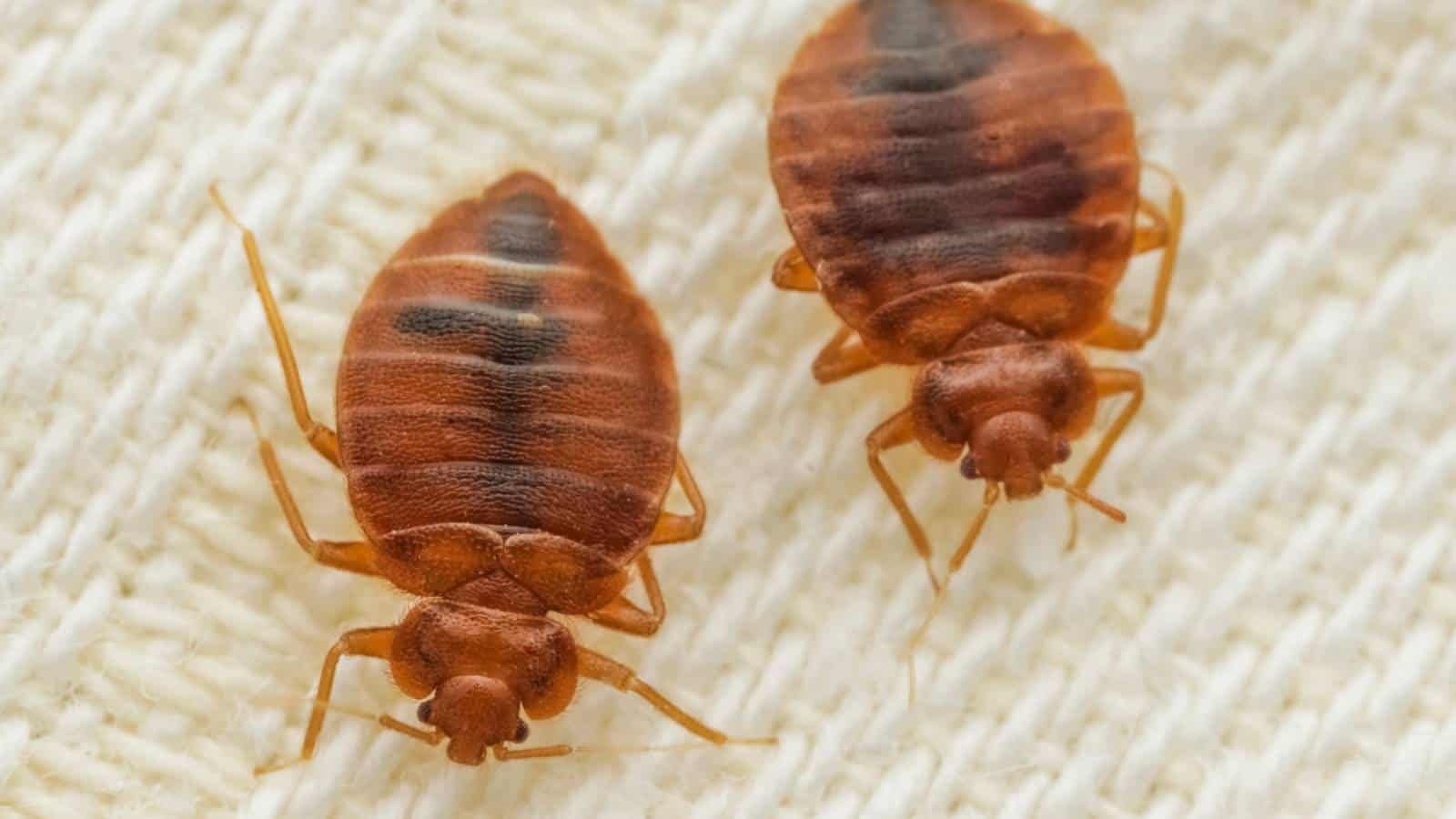
Bed bugs are most commonly noticed through bites, blood spots, black marks, and activity around the bed.
If you are trying to work out which pest you have, bed bugs are one of the most common bedroom infestations to look for, especially if you are noticing signs of bed bugs in your house, bed bug infestation signs, itchy bites after sleeping, bed bug bites in a line, small blood spots on bed sheets, black spots on mattress seams, shed bed bug skins, or signs of bed bugs hiding in mattress seams, headboards, bed frames, skirting boards, or nearby furniture. Many people first realise they may have bed bugs when they keep waking up with bites, notice repeated marks on exposed skin, or start seeing spotting and insect debris around the bed area. If these signs sound familiar, the best next step is to read our Bed Bug Removal page for professional treatment or our Bed Bug Home Remedies guide to understand what home methods may help and where DIY usually falls short.
- Bites appearing overnight, often in lines or clusters
- Small blood spots on sheets or pillowcases
- Black faecal marks on mattress seams, bed frames, or headboards
- Shed skins near the bed
- Activity around mattress seams, headboards, and bed joints
- A light sweet, musty odour in heavier infestations
German Cockroaches
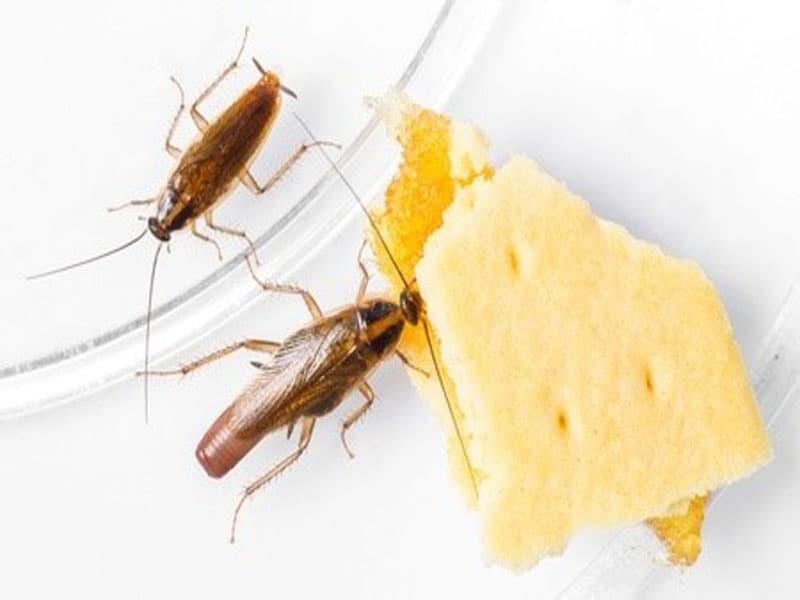
German cockroaches are most commonly noticed through small light brown sightings in warm rooms, pepper-like droppings, egg cases, shed skins, and repeat activity around kitchen appliances and pipework.
If you are trying to work out which pest you have, German cockroaches are one of the most serious indoor pests to suspect if you are noticing signs of cockroaches in your house, German cockroach infestation signs, small light brown cockroaches in the kitchen, cockroaches behind the fridge or oven, cockroach droppings in cupboards, egg cases under appliances, shed skins near pipework, a musty smell in the kitchen or bathroom, or repeat sightings around sinks, boiler cupboards, tiled splashbacks, electrical sockets, and gaps between fitted units and walls. Many people first realise they may have German cockroaches when they spot one moving quickly across the kitchen floor at night, find pepper-like droppings in cupboards, or notice activity returning around warm appliances and shared pipework in flats. If these signs sound familiar, the best next step is to read our Cockroach Control page for professional treatment, our Signs of Cockroaches guide for identification, or our How to Get Rid of Cockroaches article to understand why DIY usually misses hidden harbourage points and egg cases.
- Small light brown cockroaches seen in kitchens, bathrooms, or utility rooms
- Pepper-like droppings inside cupboards, drawer corners, or along harbourage points
- Egg cases and shed skins behind appliances, under sinks, or near pipework
- A musty smell in enclosed infested areas
- Sightings around fridges, ovens, boiler cupboards, splashbacks, electrical sockets, and fitted units
- Repeat activity in flats or HMOs where cockroaches travel through shared wall voids, drainage, and pipework
Cockroach Control | Signs of Cockroaches | How to Get Rid of Cockroaches | Preventing Cockroach Infestations
Mice

Mice are most commonly noticed through droppings, scratching noises at night, gnaw damage, and repeat activity around kitchens, cupboards, and hidden entry points.
If you are trying to work out which pest you have, mice are one of the most common pests to suspect if you are noticing signs of mice in your house, mouse infestation signs, mouse droppings, scratching noises in walls or ceilings, gnaw marks on food packaging or wood, mice in kitchen cupboards, mice under kitchen units, a bad smell from mouse activity, or repeated sightings of small fast-moving rodents near pipe entry points, boiler cupboards, loft spaces, and behind appliances. Many people first realise they may have mice when they find droppings under the sink, hear movement at night, or notice damage around food packets, skirting boards, cables, and gaps where pipes or wires enter the property. If these signs sound familiar, the best next step is to read our Mice Control page for professional treatment, our Preventing Mouse Infestations in the Home article to understand common entry points and proofing steps, or our Mouse Home Remedies guide to see what DIY measures may help and where professional treatment is usually needed.
- Mouse droppings in cupboards, under sinks, along skirting boards, or near stored food
- Scratching or scurrying noises in walls, ceilings, lofts, or behind kitchen units at night
- Gnaw marks on food packaging, wood, plastics, or cables
- Greasy rub marks or repeat activity along wall edges and access routes
- A stale or strong rodent smell in enclosed areas
- Sightings near pipe gaps, boiler cupboards, behind appliances, or loft spaces
Mice Control | Signs of Mice in Your House | Preventing Mouse Infestations | Mouse Home Remedies
Rats
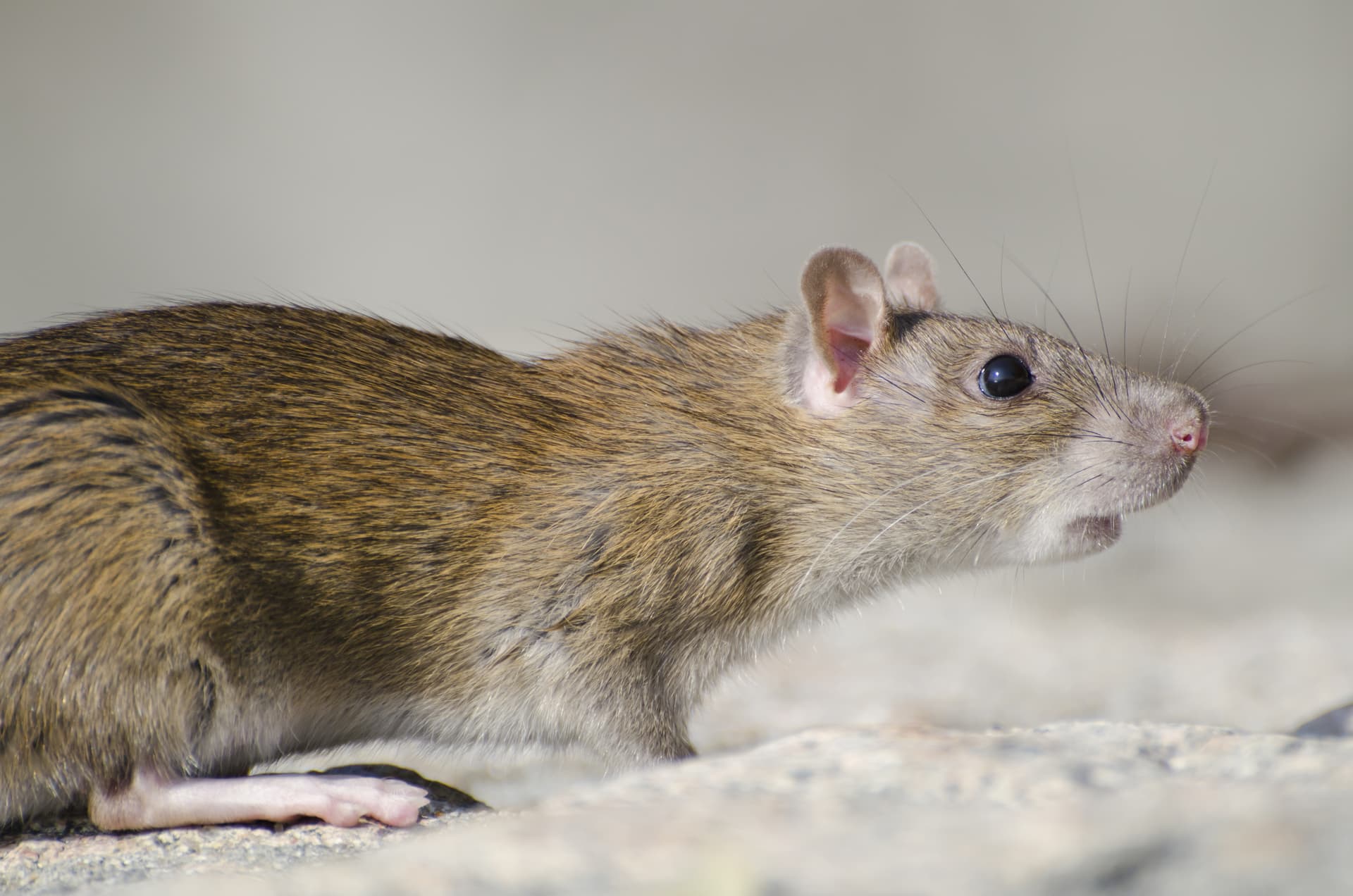
Rats are most commonly noticed through dark droppings, gnaw damage, grease marks, heavier scratching noises at night, burrow holes, and activity linked to drains or hidden access routes.
If you are trying to work out which pest you have, rats are one of the most serious pests to suspect if you are noticing signs of rats in your house, rat infestation signs, rat droppings, scratching noises in walls or under floors, gnaw marks on wood, plastic, cables, or food packaging, grease marks along skirting boards, burrow holes in the garden, rats in loft spaces, or clues linked to drainage such as gurgling drains, slow-draining toilets, or repeated activity near pipe routes and foundations. Many people first realise they may have rats when they hear heavier movement at night, find dark droppings behind appliances or in cupboards, notice dirty smear marks along walls, or see signs of digging near sheds, decking, bins, and compost areas. If these signs sound familiar, the best next step is to read our Rat Control page for professional treatment, our How to Get Rid of Rats guide for identification and next steps, or our Rats in Drains article if you suspect the problem is linked to drainage defects or sewer access.
- Dark pellet-shaped droppings along walls, behind appliances, in lofts, or near stored food
- Scratching, scurrying, or heavier movement in walls, ceilings, under floors, or in loft spaces at night
- Gnaw marks on wood, plastic, cables, and food packaging
- Grease marks or dark smears along skirting boards and regular travel routes
- Burrow holes around sheds, decking, bins, compost, or foundations
- Drain-related clues such as gurgling drains, slow toilets, damp patches, or cracks near pipe routes
Rat Control | How to Get Rid of Rats | Rats in Drains | Rat Prevention
Fleas
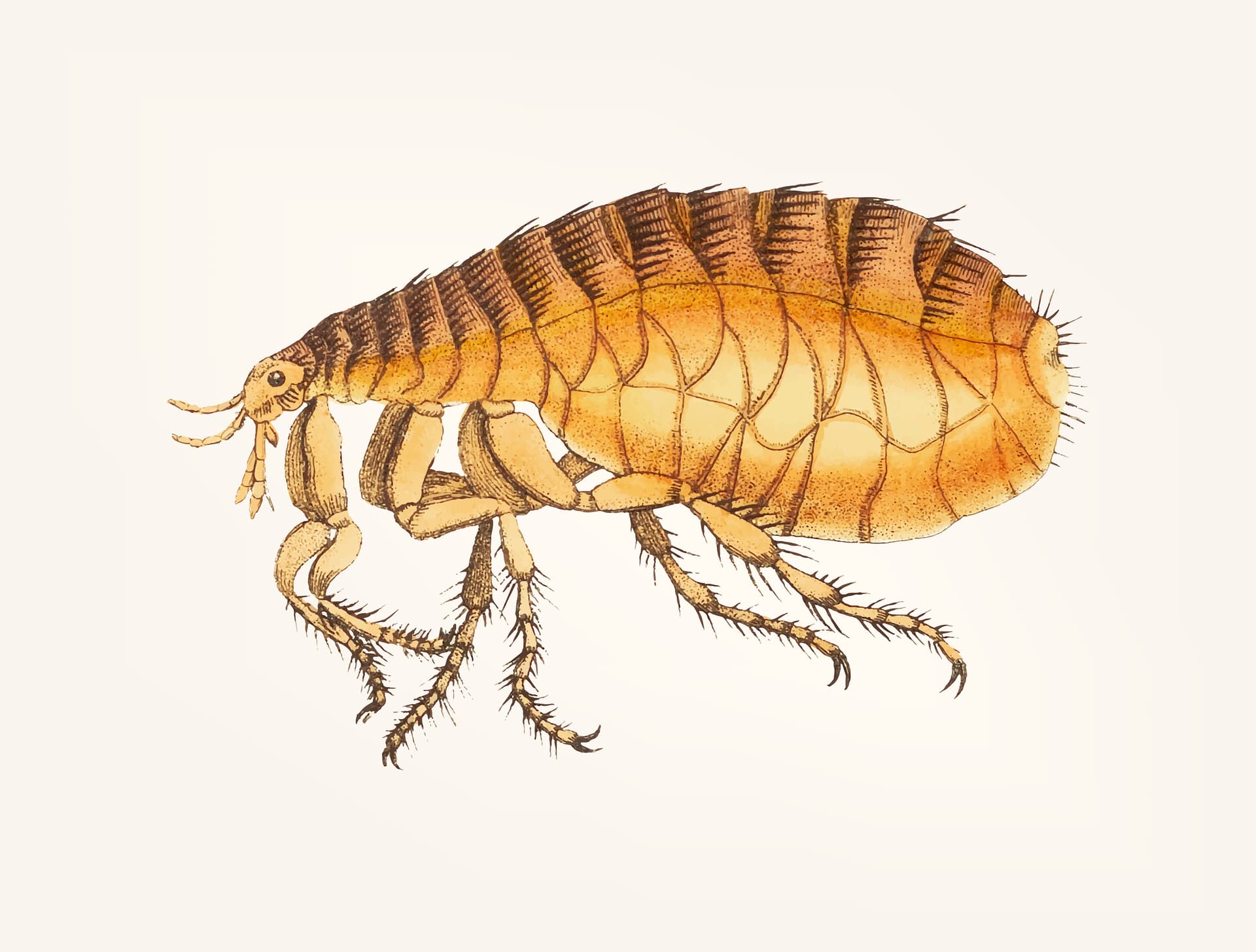
Fleas are most commonly noticed through itchy bites around the ankles, tiny jumping insects near carpets or pet bedding, and repeated activity in rooms where pets rest.
If you are trying to work out which pest you have, fleas are one of the most common pests to suspect if you are noticing signs of fleas in your house, flea infestation signs, flea bites on ankles, itchy bites on feet and lower legs, fleas jumping from carpet, flea bites after sitting on the sofa, pets scratching more than usual, fleas in pet bedding, or repeated bites in rooms where pets rest or where carpets, rugs, and soft furnishings are used most. Many people first realise they may have fleas when they start getting small itchy bites around the ankles, spot tiny jumping insects near the floor, or notice that the problem becomes worse after a pet has been away from the room and hungry fleas start biting people instead. If these signs sound familiar, the best next step is to read our Flea Control for Homes guide for identification and treatment, our Preventing Flea Infestations article for prevention advice, or our Flea Home Remedies guide to understand what DIY methods may help and why full control usually requires treating eggs, larvae, and adult fleas together.
- Itchy bites around the ankles, feet, and lower legs
- Tiny jumping insects seen near carpets, rugs, pet bedding, or sofas
- Pets scratching, biting, or grooming excessively
- Repeat bites in rooms with soft furnishings or floor-level fabric areas
- Activity that becomes more obvious when a pet host is absent
- Signs concentrated around carpets, pet bedding, and resting areas rather than high surfaces or wall voids
Flea Control for Homes | Signs of Fleas in Your House | Preventing Flea Infestations | Flea Home Remedies
Ants
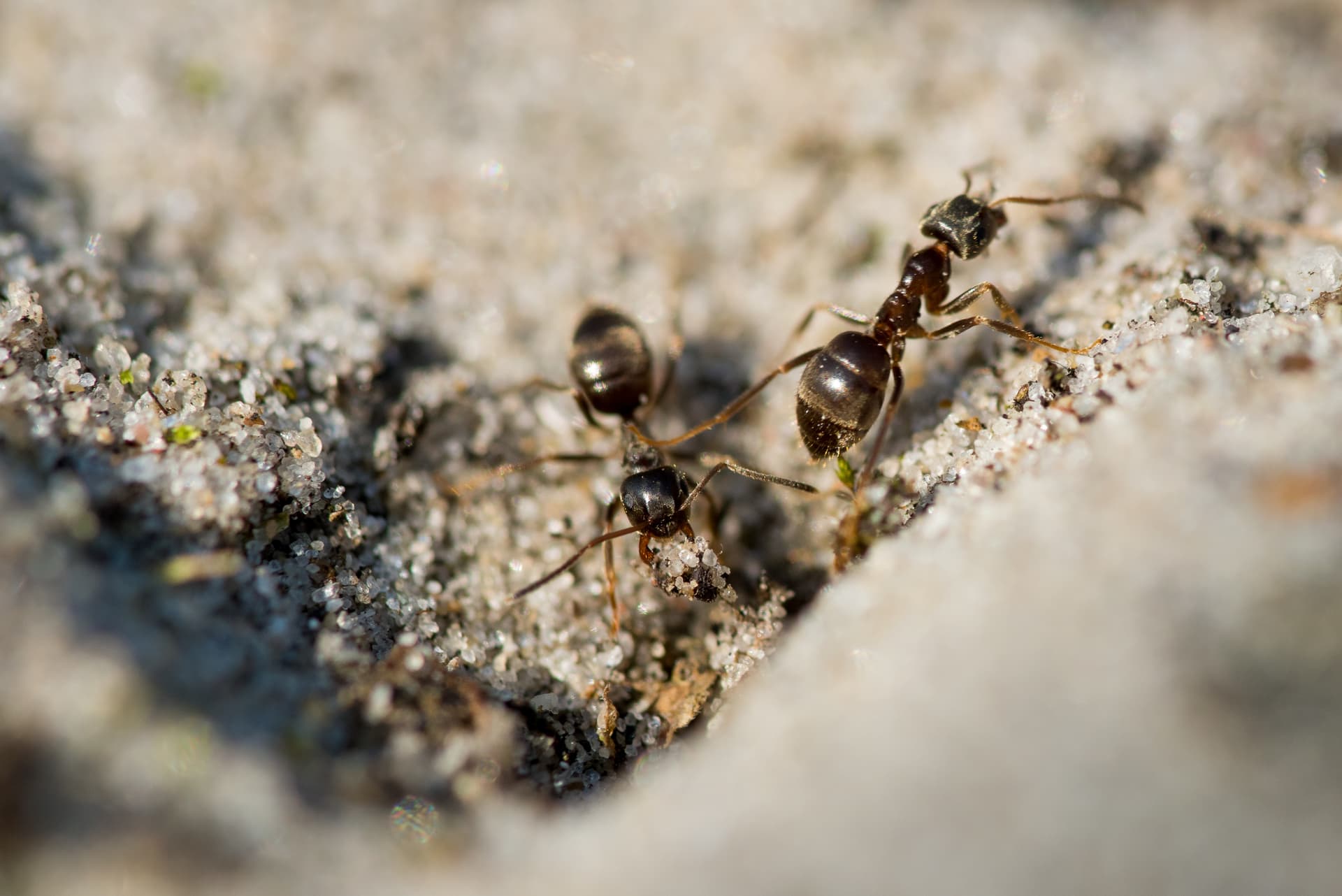
Ants are most commonly noticed through visible trails, repeat sightings near food or water, small piles of soil or debris, and seasonal flying ant activity.
If you are trying to work out which pest you have, ants are one of the most common household pests to look for, especially if you are noticing signs of ants in your house, ant infestation signs, how to tell if you have ants, ant trails in house, a line of ants in the kitchen, live ants in the kitchen or bathroom, small piles of soil or dirt near skirting boards, flying ants in the house, or repeated ant activity around food, bins, pet bowls, window frames, and door thresholds. Many people first realise they may have ants when they keep seeing the same trail reappear after cleaning, notice ants gathering near sweet or sticky food, or spot fine debris near cracks, pipe entry points, or wall edges. If these signs sound familiar, the best next step is to read our Ant Control page for professional treatment, our Signs of Ants in Your House guide for identification, or our How to Prevent Ants article to understand how ants get in and what practical prevention steps help.
- Visible ant trails moving between the nest and a food source
- Live ants in the kitchen or bathroom, especially near crumbs, sugar, pet food, or water
- Small piles of soil or fine debris near cracks, skirting boards, paving, or pipe entry points
- Flying ants indoors, especially repeated appearances
- A faint rustling or crackling sound in walls in larger infestations
- Damage to food packaging such as cereal boxes, biscuit packets, sugar bags, or pet food bags
Ant Control | Signs of Ants in Your House | How to Get Rid of Ants | How to Prevent Ants
Flies
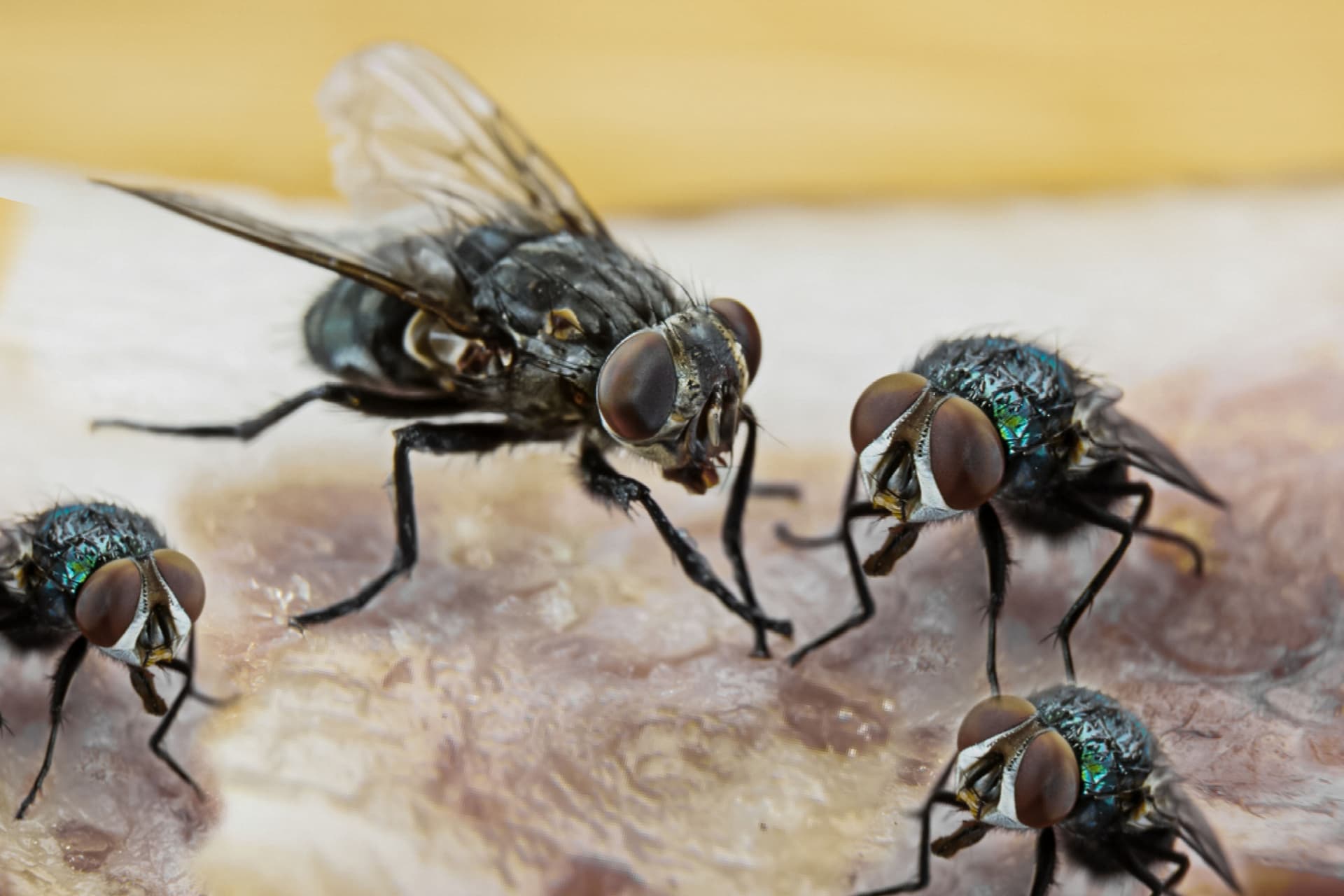
Flies are most commonly noticed through repeat activity around kitchens, bins, drains, lofts, and windows, with different species showing up in different parts of the home.
If you are trying to work out which pest you have, flies are one of the most common pests to suspect if you are noticing signs of a fly infestation, cluster flies in lofts, house flies in the kitchen, flies gathering around south-facing windows, drain flies coming from sinks or plugholes, small fuzzy flies near drains, repeated fly activity around bins or food waste, or swarms of sluggish flies appearing indoors during autumn and winter. Many people first realise they may have a fly problem when they keep seeing the same areas of activity return, notice flies collecting around window frames, loft hatches, kitchen bins, or drains, or find that the problem worsens at certain times of year depending on the species. If these signs sound familiar, the best next step is to read our Fly Control page for treatment, our How To Get Rid of Flies guide for practical advice, or our Fly Prevention article to understand how different fly species get in and what changes actually help.
- Cluster flies swarming in lofts, wall cavities, or around south-facing windows
- House flies in kitchens near food waste, bins, and preparation areas
- Drain flies or small fuzzy moth-like flies near sinks, plugholes, or drains
- Repeat activity around window frames, loft hatches, bins, and waste areas
- Seasonal swarms that become more obvious in autumn and winter
- Ongoing fly activity linked to organic buildup, drains, food waste, or hidden sources
Fly Control | Fly Infestation Signs | How To Get Rid of Flies | Fly Prevention
Moths
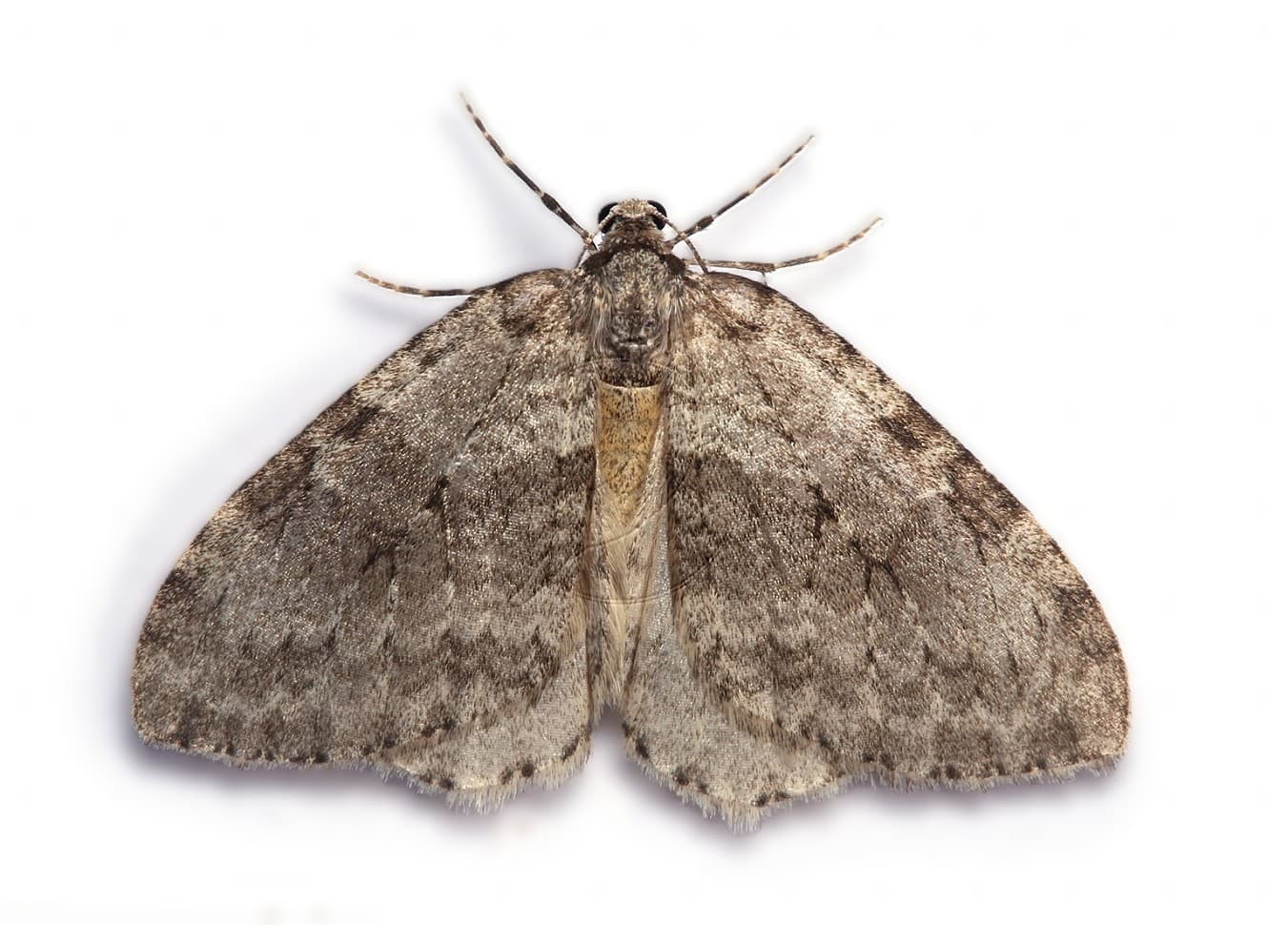
Moths are most commonly noticed through holes in clothes, bald carpet patches, larvae, silken cases, frass, and damage to natural-fibre fabrics in wardrobes, carpets, and storage areas.
If you are trying to work out which pest you have, moths are one of the most damaging indoor pests to suspect if you are noticing signs of moths in your home, moth infestation signs, holes in clothes, bald patches in carpet, moth larvae in wardrobes, silken cases in cupboards, frass from moths, damage to wool, silk, cashmere, rugs, or soft furnishings, or repeated activity around wardrobes, carpet edges, under furniture, and dark undisturbed storage areas. Many people first realise they may have moths when they find textile damage before they ever see the insects themselves, because it is usually the larvae, not the adult moths, that cause the real damage. If these signs sound familiar, the best next step is to read our Moth Control page for professional treatment, our Signs of Moths guide for identification, or our How to Prevent Moths article to understand how to protect clothes, carpets, and stored fabrics before the problem spreads.
- Holes in clothes made from wool, silk, cashmere, fur, feathers, or other natural fibres
- Bald patches in carpets or damage near edges, under furniture, or in low-traffic areas
- Moth larvae or tiny creamy-white caterpillars with darker heads
- Silken tubes or cases in wardrobes, on fabric, or in hidden storage areas
- Frass or fine dusty debris left around infested materials
- Repeat activity around wardrobes, rugs, carpets, cupboards, and dark undisturbed areas
Moth Control | Signs of Moths | How to Get Rid of Moths | How to Prevent Moths
Wasps
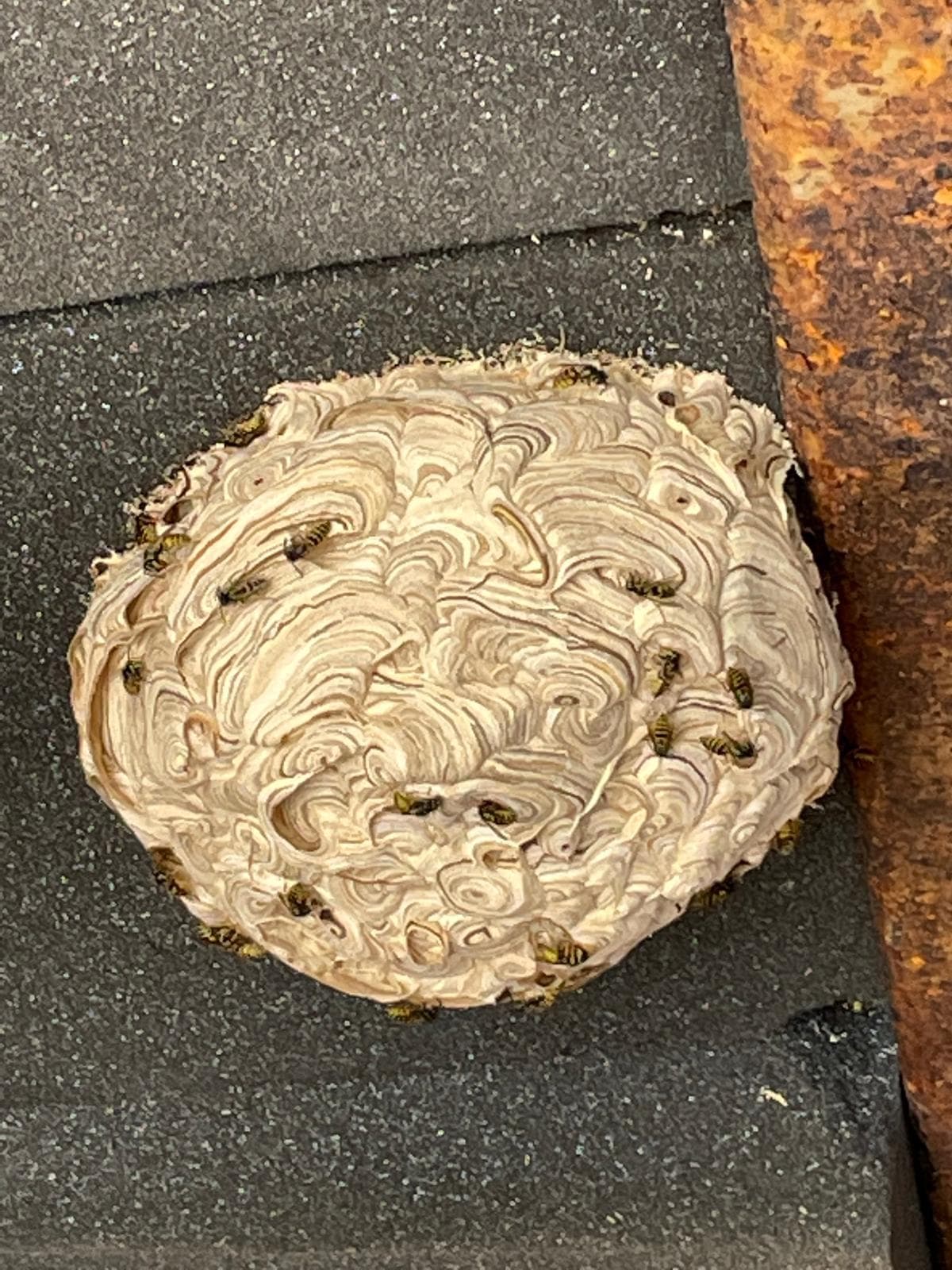
Wasps are most commonly noticed through steady flight activity to one entry point, buzzing in lofts or wall cavities, and increased wasp activity around rooflines, sheds, gardens, and outdoor food areas.
If you are trying to work out which pest you have, wasps are one of the most obvious pests to suspect if you are noticing signs of wasps around your house, signs of a wasp nest, wasps going in and out of the same hole, buzzing in a loft or wall cavity, wasps around rooflines, vents, soffits, sheds, or bushes, wasps in the garden near one fixed spot, or repeated wasp activity that gets worse during warm weather and late summer. Many people first realise they may have a wasp nest when they see a steady flight path to a single entry point, hear a constant buzzing from a hidden cavity, or notice wasps becoming defensive near eaves, loft vents, fencing, or outbuildings. If these signs sound familiar, the best next step is to read our Wasp Removal page for treatment, our Signs of Wasps guide for identification, or our Wasp Stings page for sting safety and what to do if someone has been stung.
- Wasps repeatedly flying to and from one hole or entry point
- Buzzing sounds coming from a loft, wall cavity, soffit, bush, or shed
- Increased activity around rooflines, vents, eaves, fences, and outbuildings
- Wasps becoming more noticeable and defensive in late summer
- A visible flight path in and out of the same area
- Higher activity around food, sweet drinks, bins, and outdoor seating areas
Wasp Removal | Signs of Wasps | Wasp Stings | Common Wasps vs Hornets in the UK
Silverfish
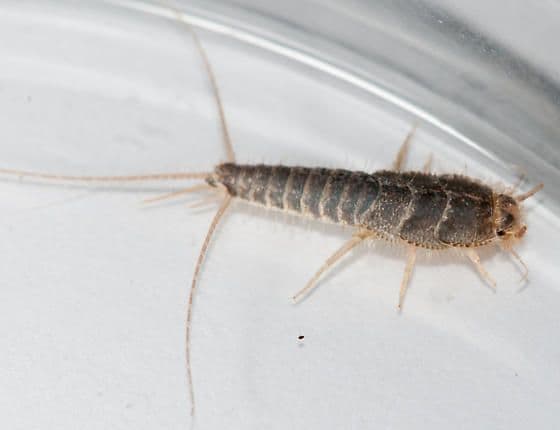
Silverfish are most commonly noticed through small silvery sightings at night, activity in damp rooms, and damage to paper, wallpaper, books, and other starch-based materials.
If you are trying to work out which pest you have, silverfish are a common indoor pest to suspect if you are noticing signs of silverfish in your house, silverfish infestation signs, small silvery insects in the bathroom, silverfish in kitchen cupboards, silverfish in loft spaces, tiny wriggling insects at night, damage to wallpaper or books, yellowish staining on paper or fabric, or repeat activity in damp areas such as bathrooms, kitchens, laundry rooms, basements, and around stored paper, cardboard, glue, and natural-fibre items. Many people first realise they may have silverfish when they switch on a bathroom or kitchen light at night and see a small silvery insect dart away into cracks, under skirting boards, behind stored items, or around sinks and pipe entry points. If these signs sound familiar, the best next step is to read our Silverfish Control page for treatment and damp-control advice.
- Small silvery-blue insects with a wriggling, fish-like movement
- Sightings in bathrooms, kitchens, laundry rooms, basements, and lofts
- Activity mostly at night or when lights are switched on suddenly
- Damage to wallpaper, books, photographs, plaster, paper, or glue-based materials
- Repeat sightings in humid or damp areas
- Activity around cracks, skirting boards, sinks, pipe routes, and stored paper items
Carpet Beetles
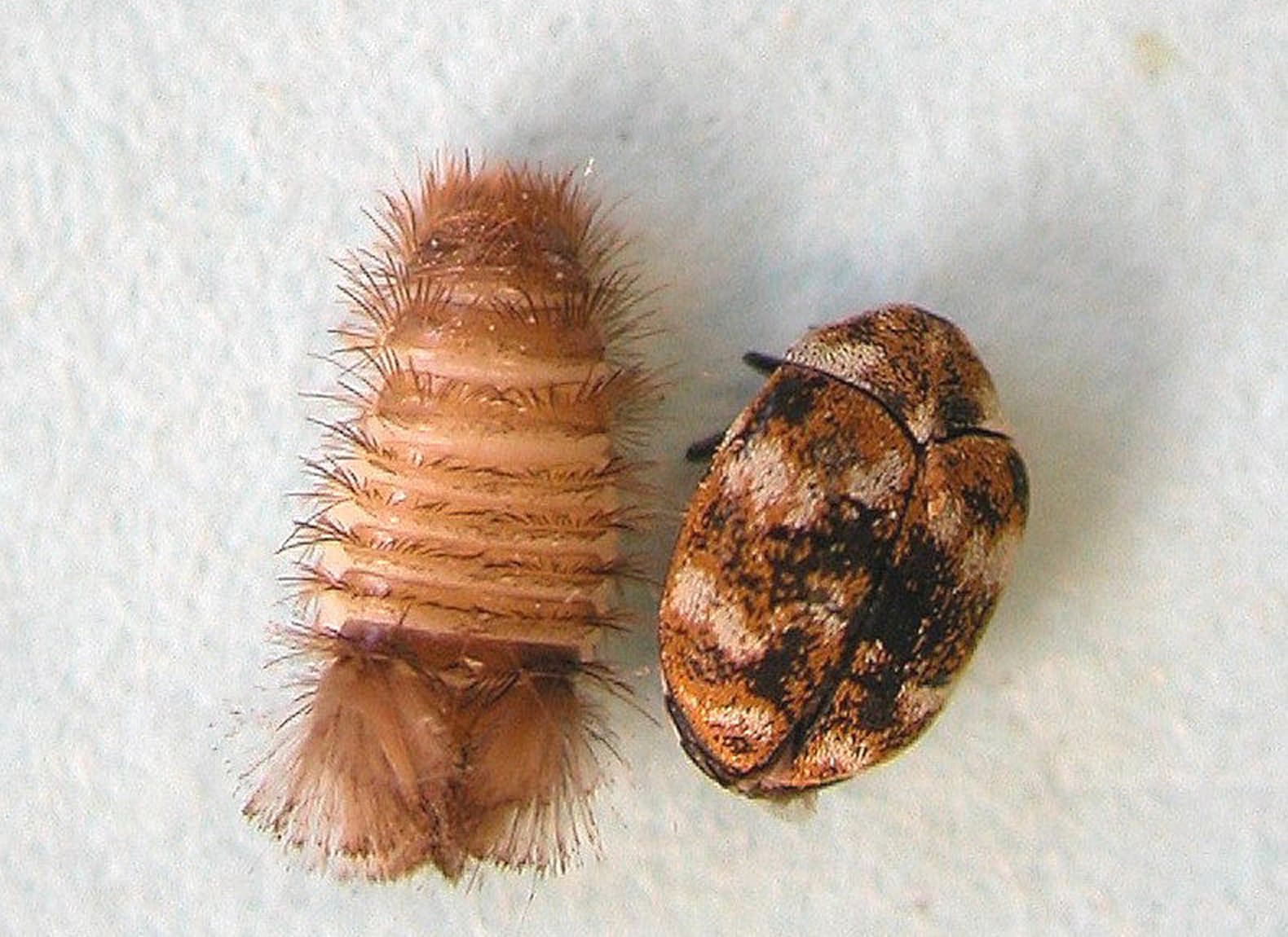
Carpet beetles are most commonly noticed through bald patches in carpets, holes in clothes, hidden larval activity, and damage to natural-fibre fabrics and soft furnishings.
If you are trying to work out which pest you have, carpet beetles are one of the most damaging textile pests to suspect if you are noticing signs of carpet beetles in your home, carpet beetle infestation signs, bald patches in carpet, holes in clothes, damage to wool, silk, fur, or leather, carpet beetle larvae, hairy larvae near skirting boards, damage in wardrobes or under furniture, or repeat activity in dark undisturbed areas where natural fibres, dust, lint, feathers, or stored fabrics collect. Many people first realise they may have carpet beetles when they find damage to clothing, rugs, stair edges, or carpeted areas before they ever see the insects themselves, because the larvae are usually hidden in edges, corners, wardrobes, airing cupboards, under furniture, or around stored materials. If these signs sound familiar, the best next step is to read our Carpet Beetle Pest Control page for professional treatment and textile protection advice.
- Bald patches in carpets, rugs, or stair edges
- Holes in clothes and damage to stored fabrics
- Damage to wool, silk, fur, leather, feathers, or other natural fibres
- Hairy carpet beetle larvae or shed larval skins in hidden areas
- Activity in wardrobes, under furniture, around skirting boards, or in undisturbed corners
- Repeat damage appearing in textiles, soft furnishings, and stored materials