
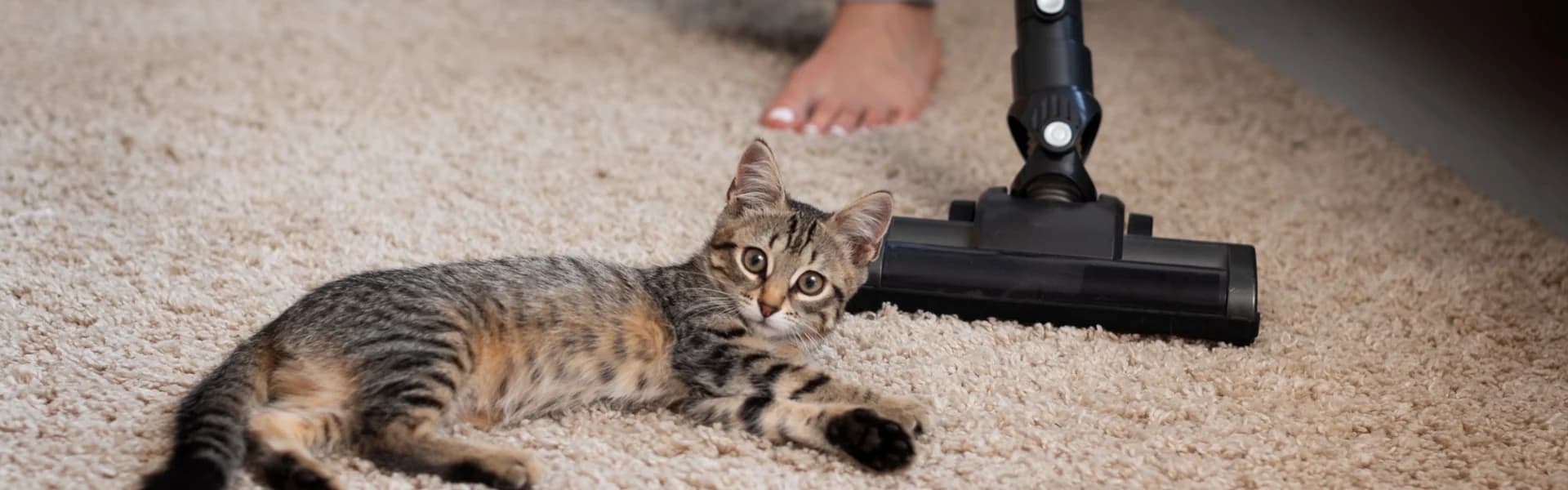
Fleas can turn your home from a comfortable sanctuary into an itchy nightmare. Once inside, they multiply rapidly and embed themselves deep in carpets, furniture, and bedding, making them extremely difficult to eradicate without a systematic approach.
This room-by-room guide explains exactly how fleas enter your home, where they hide in each room, and the most effective treatment strategies to eliminate them completely. Whether you are tackling the problem yourself or preparing for a professional visit, this guide will help.
Published: · Updated:
How Fleas Enter Your Home
The most common route for fleas entering a UK home is on pets. Dogs and cats pick up fleas from other animals, in parks and gardens, or from wildlife such as foxes, hedgehogs, and squirrels that visit your garden.
Fleas can also enter on clothing and shoes, particularly if you have been in contact with infested animals or visited premises with a flea problem. Second-hand furniture, rugs, and clothing are another potential source.
In flats and terraced houses, fleas can migrate between properties through shared walls, communal hallways, and even through gaps in floorboards. If your neighbour has an untreated flea problem, it can become your problem too.
Living Room and Lounge
The living room is often the worst-affected room because this is where pets tend to rest and where family members spend the most time. Sofas, armchairs, and rugs are prime flea harbourage points.
Focus treatment on upholstered furniture — spray underneath cushions, along seams, and around the base of sofas and chairs. Vacuum all soft furnishings thoroughly before treatment and again regularly afterwards.
Carpeted areas around and under furniture legs are high-risk zones. Fleas lay eggs on the host, and these roll off into the carpet where the pet lies. The areas directly beneath and around your pet's favourite resting spots will have the highest concentration of eggs and larvae.
Bedrooms
If your pet sleeps in or visits your bedroom, fleas will be present in the carpet, on bedding, and potentially in the mattress. Strip the bed completely and hot-wash everything — duvet covers, sheets, pillowcases, and any throws. Vacuum the mattress on both sides, the bed frame, and the surrounding carpet.
Pay particular attention to the carpet under and around the bed. This undisturbed area provides ideal conditions for flea larvae — it is dark, warm, and accumulates the skin cells and organic debris that larvae feed on.
For children's bedrooms, remove and wash all soft toys, and vacuum under beds and wardrobes where flea cocoons can accumulate undisturbed.
Kitchen and Hard-Floored Areas
Hard floors such as tile, laminate, and wood do not harbour fleas as effectively as carpet, but fleas can still survive in gaps between floorboards, along skirting boards, and in any rugs or mats.
If your pet has a bed or feeding area in the kitchen, treat this area thoroughly. The pet's bed should be washed at high temperature, and the surrounding floor should be mopped with a suitable cleaning product.
Kitchen mats, doormats, and rugs should be washed or replaced if heavily infested. Check the gaps between kitchen units and the floor — these narrow spaces can harbour flea pupae.
Need professional help with flea treatment? BuzzKill Pest Control offers fast, effective treatment with no call-out charge.
How to Prepare Each Room Before Treatment
Your technician needs unobstructed access to every floor surface. Room by room, pick up everything from the floor — shoes, toys, bags, storage boxes — and move furniture away from walls where you can. The more carpet you expose, the more thorough the treatment.
Strip pet beds and wash them separately. Remove pet bowls, food mats, and litter trays from treated areas. If your pet uses a crate, fold it up or move it to a hard-floored room that can be mopped afterwards.
Crucially, ensure all cats and dogs have been treated with a vet-recommended flea product before the technician arrives. Treating the home without treating the pets simply allows the cycle to restart. Your vet can advise on the best product for your animal.
Living in Your Home During and After Treatment
You can continue using your home normally once treated surfaces have dried. Walk through treated rooms as usual — your foot traffic actually helps by stimulating remaining pupae to emerge onto the insecticide. Keep children and pets off wet surfaces until fully dry.
Leave treated carpets undisturbed for the period your technician specifies. Hard floors can be lightly mopped after 24 hours. From week 3, resume regular vacuuming to clear up dead fleas and encourage the last pupae to emerge.
Once the infestation is resolved, maintain a simple routine: keep pets on continuous flea prevention, vacuum pet resting areas regularly, and hot-wash pet bedding weekly. For a complete long-term prevention plan, see our preventing flea infestations guide.
Frequently Asked Questions
Which rooms should I treat for fleas?
Treat every room that your pet has access to, plus any rooms where you have noticed bites or flea dirt. Fleas can travel throughout a property, so a whole-home treatment is usually recommended for the best results.
Do I need to treat rooms with hard floors?
Yes, but hard-floored rooms are lower risk. Focus on gaps between floorboards, skirting boards, rugs, and any pet resting areas. Fleas are less able to establish in hard-floored rooms but can still survive in crevices.
How do I stop fleas coming from my neighbour's property?
Seal any gaps around shared walls, pipes, and under doors. Keep your pets on year-round flea prevention. If the problem persists, consider speaking to your neighbour or contacting your landlord or managing agent.
Can I treat my home while pets are inside?
Pets should be removed from the home during treatment and for the drying period (typically 2 to 4 hours). Fish tanks should be covered and their air pumps turned off. Your pest controller will advise on specific precautions.
How often should I vacuum to prevent fleas?
During an active infestation, vacuum daily. For ongoing prevention after treatment, twice a week is sufficient in rooms where pets spend time. Always empty the vacuum straight away — leaving flea eggs in the canister allows them to develop inside the machine.
Professional Flea Treatment Service
Learn more about our flea treatment service, pricing, treatment methods, and customer reviews.
View Flea Treatment Service