
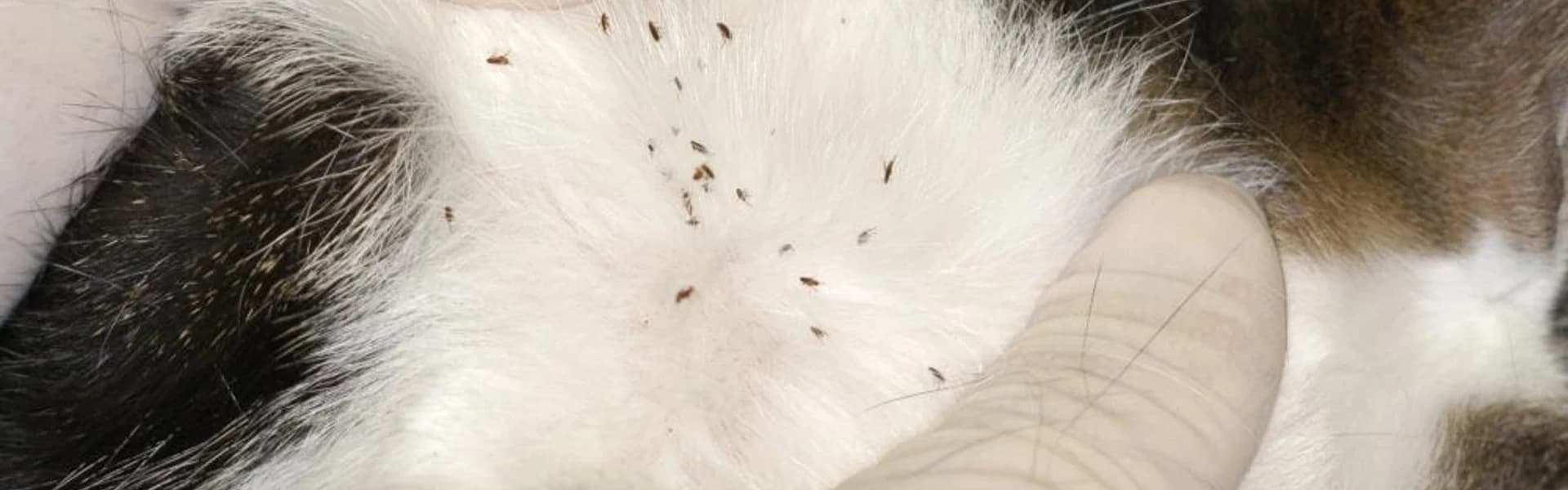
Fleas are small, fast-moving insects that can be difficult to spot with the naked eye. Many people do not realise they have a flea problem until the infestation is well established and bites are appearing regularly.
Knowing the early warning signs of a flea infestation allows you to act quickly before the problem escalates. This guide explains the most reliable indicators that fleas are present in your home and how to confirm your suspicions.
Published: · Updated:
Flea Bites on Humans
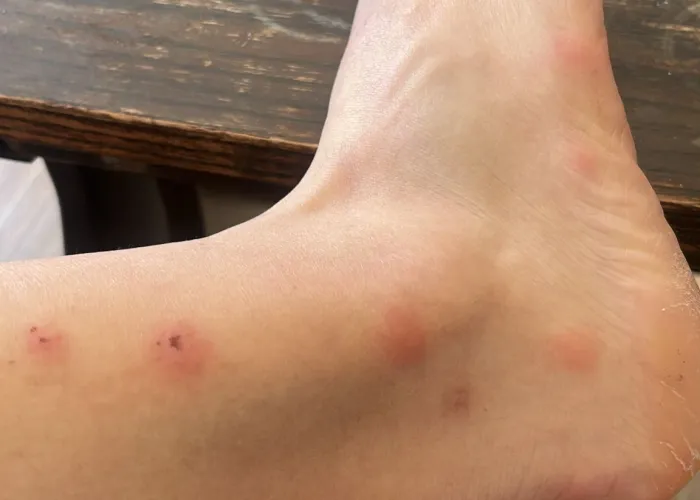
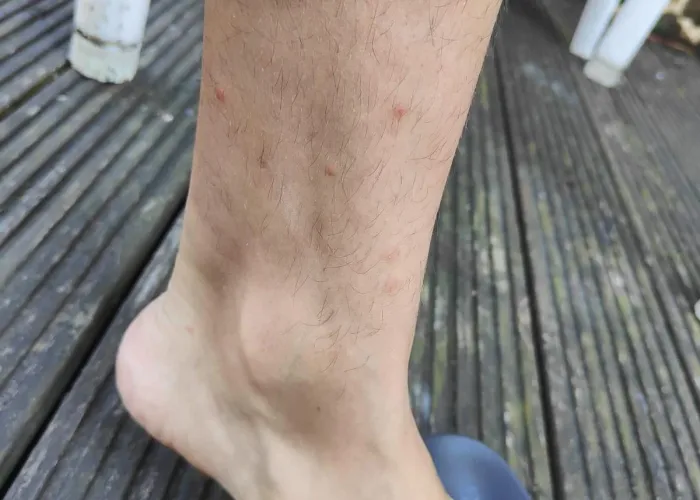
Flea bites on humans are one of the most common first signs of an infestation. They typically appear as small, red, itchy bumps surrounded by a reddish halo. Unlike mosquito bites, flea bites tend to appear in clusters or lines, often in groups of three — sometimes called 'breakfast, lunch, and dinner' bites.
Bites are most commonly found on the lower legs, ankles, and feet, because fleas tend to jump from floor level. However, if fleas are present in bedding or furniture, bites may appear anywhere on the body.
Some people develop a more severe allergic reaction to flea saliva, resulting in larger, more inflamed welts that can take days to subside. Others may not react to flea bites at all, which can delay discovery of an infestation.
Flea Dirt and Droppings
Flea dirt is the term for flea faeces — small, dark, comma-shaped specks that look like ground black pepper. Flea dirt is actually digested blood and is one of the most reliable indicators of flea activity.
To confirm that dark specks are flea dirt rather than ordinary dirt, place them on a damp white tissue or paper towel. If they dissolve into a reddish-brown streak, they are flea droppings. This simple test is conclusive because the colour comes from the blood content.
Check for flea dirt in your pet's fur (especially around the neck, base of the tail, and belly), on pet bedding, in carpet fibres, and along skirting boards. Heavy deposits of flea dirt indicate a well-established infestation.
Changes in Pet Behaviour

Pets infested with fleas often display noticeable behavioural changes. Excessive scratching, biting, and licking — particularly around the hindquarters, tail base, and neck — are classic signs. Cats may overgroom to the point of creating bald patches.
Some pets develop flea allergy dermatitis (FAD), an allergic reaction to flea saliva that causes intense itching, redness, and hair loss even from a small number of bites. If your pet is showing signs of skin irritation, check for fleas immediately.
Restlessness and difficulty settling are also indicators. Pets may avoid their usual resting spots or refuse to sleep in their bed if it is heavily infested with fleas.
Need professional help with flea treatment? BuzzKill Pest Control offers fast, effective treatment with no call-out charge.
The White Sock Test
The white sock test is a simple and effective way to check for fleas in your home. Put on a pair of long white socks and walk slowly around carpeted rooms, shuffling your feet slightly as you go.
Fleas are attracted to warmth, movement, and the carbon dioxide you exhale. As you walk through infested areas, fleas will jump onto the white socks where they are easy to spot against the light fabric.
Focus on areas where pets spend the most time, around furniture legs, and along the edges of rooms. If you see small dark insects on your socks that jump away when disturbed, you have confirmed flea activity.
Checking Carpets and Soft Furnishings
Fleas lay their eggs on the host animal, but the eggs quickly fall off and accumulate in the environment. Carpets, rugs, upholstered furniture, and crevices between floorboards are prime locations.
Part the fibres of your carpet in areas where pets rest and look for tiny white eggs (about 0.5mm long), small worm-like larvae, and dark flea dirt. A magnifying glass can help, as flea eggs and larvae are very small.
Pay particular attention to areas under furniture, as these undisturbed spots are ideal flea nurseries. The base of sofas, under beds, and behind heavy furniture are common hotspots.
Frequently Asked Questions
Can you have fleas without seeing them?
Absolutely. Fleas are only 1-3mm long, move very quickly, and spend most of their time hiding in carpet fibres and soft furnishings. You may have a significant infestation and only notice bites or flea dirt without ever spotting a live flea.
Can fleas come from a previous tenant?
Yes. Flea pupae can lie dormant in empty properties for months, protected inside their cocoons. When new occupants move in and provide warmth and vibrations — from walking, heating, or general activity — the pupae are triggered to hatch, causing what appears to be a sudden infestation in a seemingly clean property.
What time of day are fleas most active?
Fleas do not have a strict activity pattern — they respond to stimuli such as warmth, vibration, and carbon dioxide rather than light cycles. However, you may notice more bites in the morning because fleas feed while you are stationary during sleep.
Can flea bites cause an allergic reaction?
Yes. Flea allergy dermatitis (FAD) is common in both pets and humans. It causes intense itching, swelling, and hives that go well beyond the normal bite reaction. FAD is triggered by proteins in flea saliva and can persist for days after the bite. If you experience widespread swelling or hives, consult a pharmacist or GP for antihistamine treatment.
How quickly can a flea infestation develop?
Extremely quickly. A small number of fleas can produce a population of thousands within a month in a warm home. Most people first notice bites 2 to 3 weeks after the initial introduction, by which point eggs, larvae, and pupae are already embedded throughout the carpet.
Professional Flea Treatment Service
Learn more about our flea treatment service, pricing, treatment methods, and customer reviews.
View Flea Treatment Service