
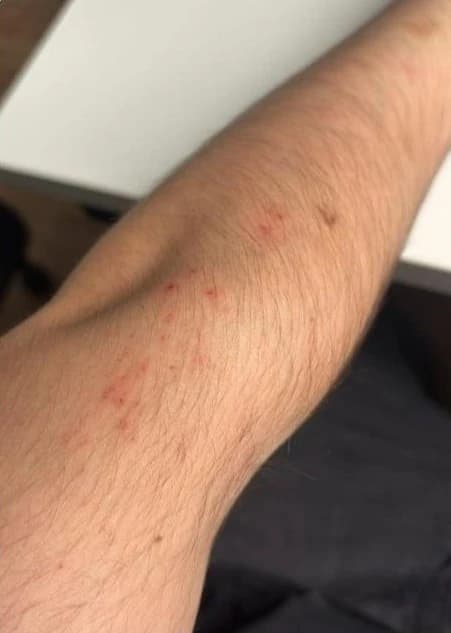
Fleas are one of the most common household pests in the UK, and once they establish themselves in your home, they can be incredibly difficult to remove. Their explosive breeding rate means a small problem can escalate into a full-blown infestation within weeks. Flea bites are sometimes confused with bed bug bites, so correct identification is essential.
This guide covers everything you need to know about getting rid of fleas — from understanding their lifecycle and why it matters, to DIY methods that actually work, and when it makes sense to call in a professional pest controller. If you are a landlord dealing with fleas between tenancies, see our end of tenancy pest control service.
Published: · Updated:
Understanding the Flea Lifecycle
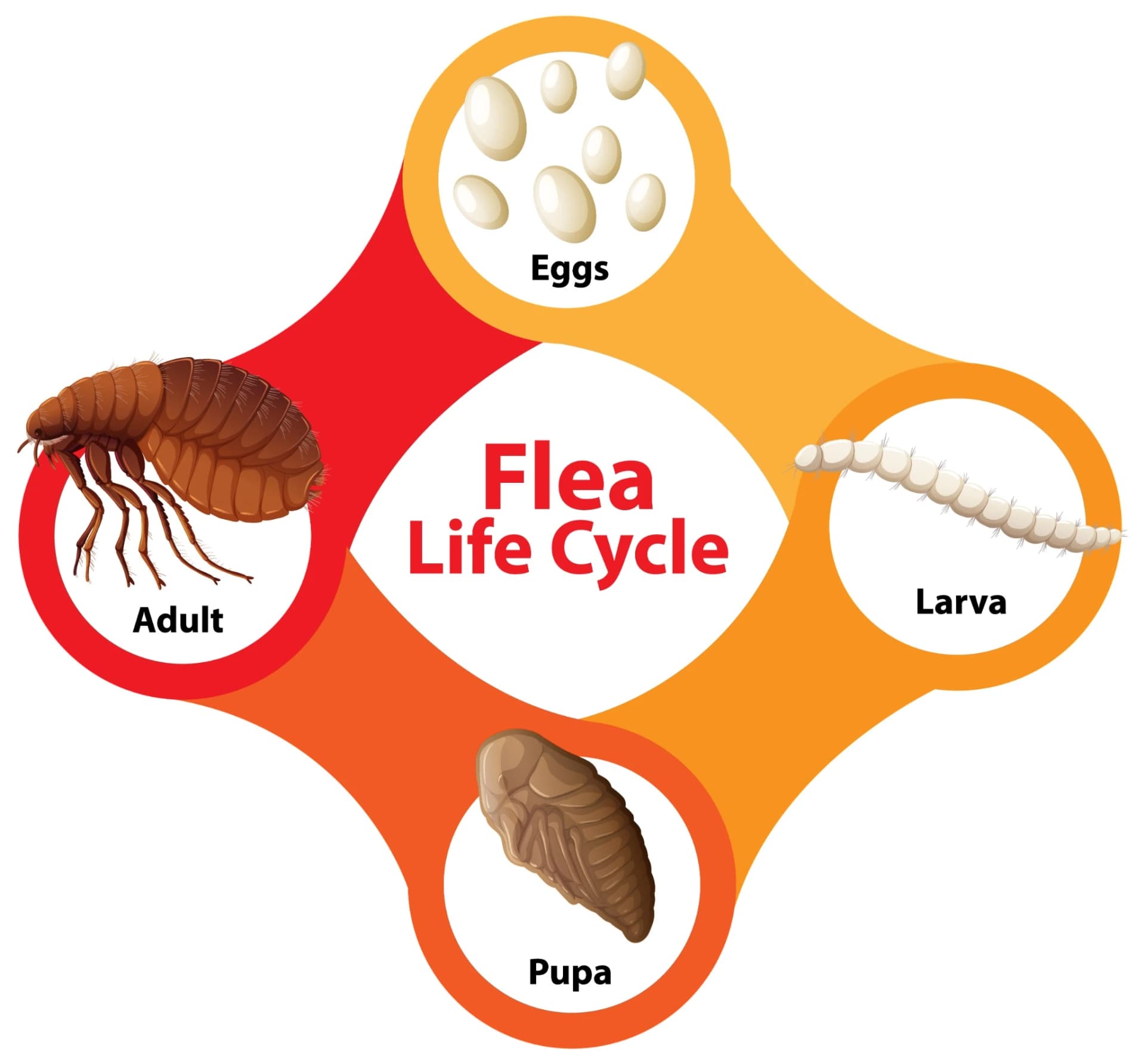
Before you can effectively eliminate fleas, you need to understand their lifecycle. Fleas go through four stages: egg, larva, pupa, and adult. The entire cycle can take anywhere from two weeks to several months, depending on environmental conditions.
Adult fleas make up only about 5% of a flea population. The remaining 95% exists as eggs, larvae, and pupae hidden in carpets, bedding, and soft furnishings. This is why killing adult fleas alone will never solve the problem — you must break the lifecycle.
Flea pupae are especially resilient. They can remain dormant inside their cocoons for months, protected from insecticides and environmental changes. They only emerge when they detect warmth, vibration, or carbon dioxide — signals that a host is nearby.
DIY Flea Removal Methods
Start with thorough vacuuming — every room, every day, for at least two weeks. Focus on carpets, rugs, upholstered furniture, and along skirting boards. The physical action dislodges eggs and forces dormant pupae to hatch prematurely, exposing them to any insecticide you apply. Bag the contents and bin them outside straight away.
Launder all bedding, pet bedding, cushion covers, and throws on your machine's hottest cycle — the water must reach at least 60°C to kill all life stages. Items that cannot be washed should go in the tumble dryer on high heat for a full 30 minutes.
Over-the-counter flea sprays containing permethrin or an insect growth regulator (IGR) can be effective for mild infestations. Apply them to carpets, soft furnishings, and along skirting boards according to the product instructions. IGRs are critical because they prevent flea eggs and larvae from developing into adults.
Treat all pets in the household simultaneously using a veterinary-recommended flea treatment. Spot-on treatments, tablets, or prescription sprays from your vet are far more effective than supermarket flea collars.
When to Call a Professional
DIY methods work well for mild or early-stage infestations, but there are situations where professional help is the only reliable option. If you have been treating for more than two weeks with no improvement, fleas are present in multiple rooms, or the infestation keeps returning, it is time to call a pest controller.
Professional pest controllers use commercial-grade insecticides that are not available to the public. These products have longer residual activity and are more effective at penetrating deep into carpet fibres where flea larvae hide.
Properties that have been vacant — such as holiday lets, rental properties between tenants, or homes after a long holiday — are particularly prone to severe flea outbreaks. Dormant pupae emerge en masse when they detect movement and body heat from new occupants.
Need professional help with flea treatment? BuzzKill Pest Control offers fast, effective treatment with no call-out charge.
What to Expect from Professional Treatment
On arrival, the technician surveys your property to assess severity and identify the worst-affected areas. This takes around 15 minutes and determines the treatment plan — you will know the cost before any work begins.
Treatment typically takes 1 to 2 hours for a standard 3-bedroom home. The technician works room by room, treating every floor surface including under furniture and along edges. You and your pets will need to vacate during treatment and for the drying period (usually 2 to 4 hours).
Most flea infestations are resolved in a single visit. Your technician will tell you at the time whether a follow-up is likely based on the severity. For full details of the products we use, see our flea treatment service page.
What Happens in the Weeks After Treatment
Week 1: You will likely still see fleas jumping. This is expected — pupae that were sealed in cocoons during treatment are now hatching and contacting the treated surfaces. They will die within hours of emerging. Resist the urge to vacuum carpets; the insecticide needs to stay undisturbed.
Weeks 2–3: Activity drops noticeably. From week 3, resume daily vacuuming to stimulate any remaining pupae to emerge. The combination of vacuuming and residual insecticide eliminates the final stragglers.
Week 4+: The infestation should be fully resolved. If you are still seeing live fleas after four weeks, contact your pest controller — a follow-up may be included under guarantee. For long-term prevention strategies, see our preventing flea infestations guide.
Frequently Asked Questions
How often should I vacuum after flea treatment?
You should vacuum daily for at least 2 weeks after flea treatment. Vacuuming stimulates flea pupae to hatch, bringing them into contact with the treated surfaces more quickly. Always dispose of vacuum contents in sealed bags immediately after each session to prevent any captured fleas from escaping back into your home.
Can fleas survive in carpets over winter?
Yes. Flea pupae can survive dormant in carpets for up to 12 months, even through cold winter months. They hatch when triggered by warmth and vibrations — such as someone walking across the carpet or turning the heating on — which is why infestations can seemingly appear out of nowhere in a previously empty room.
Do I need to leave my home during flea treatment?
Professional treatments typically require you and your pets to vacate the property for 2 to 4 hours while the insecticide dries. Your pest controller will give you specific instructions based on the products used.
Can fleas become resistant to treatment?
Resistance to professional-grade flea products is rare, but over-use of certain retail spot-on treatments can reduce their effectiveness over time. This is why rotating active ingredients is recommended. Professional pest controllers use commercial-strength insecticides with different modes of action, which significantly lowers the risk of resistance developing.
Is one flea treatment enough?
In most cases, a single professional treatment visit is enough to resolve the infestation. However, severe infestations or properties with heavy carpet may need a follow-up spray 2 to 3 weeks later to catch any remaining pupae that were protected during the first application.
Professional Flea Treatment Service
Learn more about our flea treatment service, pricing, treatment methods, and customer reviews.
View Flea Treatment Service