
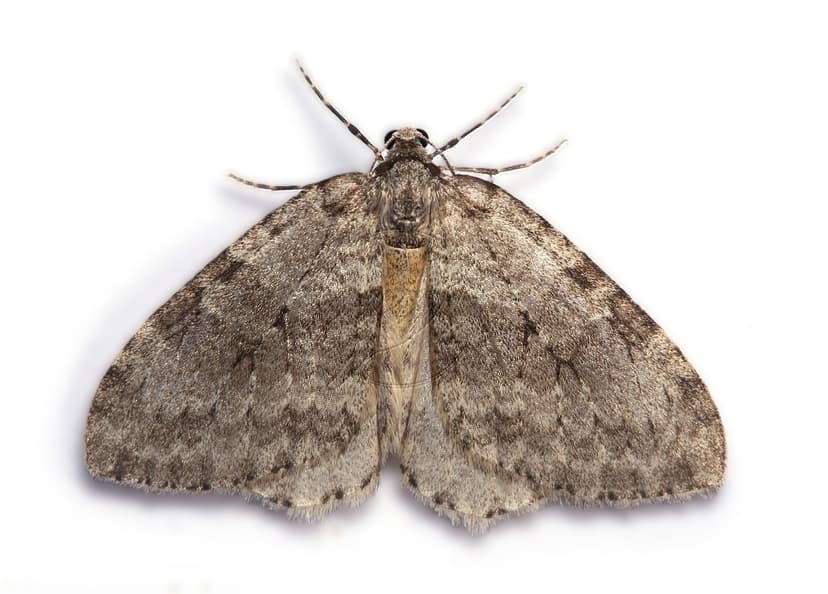
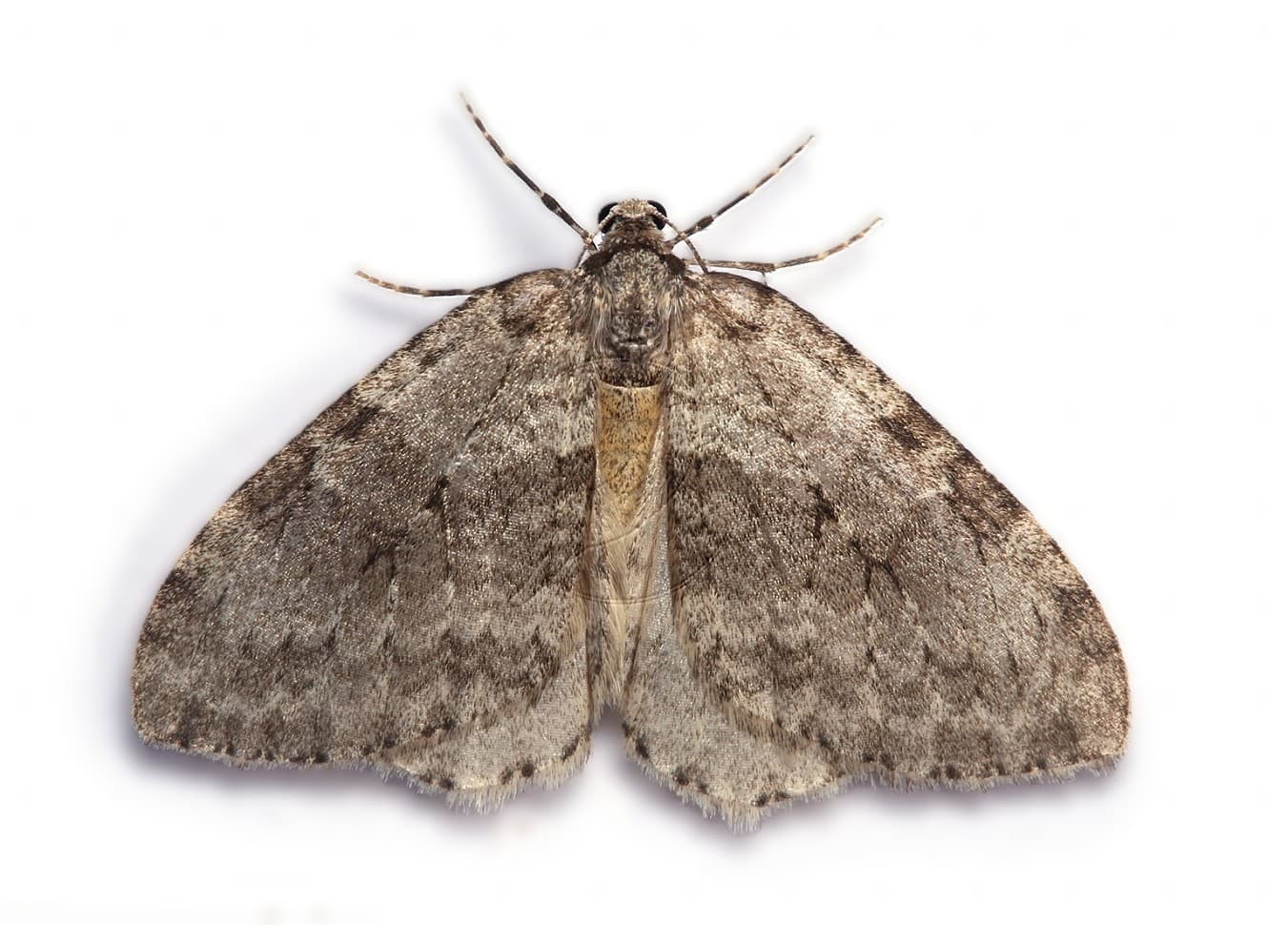
If you have found holes in clothes, bald patches on carpets, or small golden moths fluttering along your floors, you need to act fast. Moth larvae feed around the clock in dark, undisturbed areas — and every day you delay gives them time to spread further and cause more damage.
This guide covers the immediate steps you should take, specific advice for clothes moths and carpet moths, and how to know when professional treatment is needed.
Published:
Immediate Steps to Take
If you have spotted moths, larvae, webbing, or unexplained holes in fabrics or carpets, act quickly. Every day you delay allows larvae to continue feeding and females to lay more eggs.
Vacuum thoroughly — Focus on carpet edges, skirting boards, inside wardrobes, under furniture, and any dark undisturbed areas. Empty the vacuum contents outside immediately — double-bag and seal before disposal to prevent larvae escaping back into your home.
Wash or dry clean all fabrics — Wash at 60°C or above to kill eggs and larvae. Dry clean items that cannot be washed at high temperature. This includes clothes without visible damage, as eggs may be present.
Clean all storage areas — Wipe down wardrobes, cupboards, drawers, and storage boxes, paying attention to cracks, joints, and corners where eggs hide.
Improve ventilation — Moths thrive in warm, still environments. Open windows, use fans, and avoid sealing rooms that may harbour infestations.
How to Get Rid of Clothes Moths
Clothes moths are one of the most common causes of fabric damage in UK homes. Adult moths do not feed — all the damage is caused by larvae feeding on keratin in natural fibres like wool, cashmere, silk, and fur. For a full list of signs of moth damage, see our dedicated guide.
Getting rid of clothes moths — Remove all clothing and textiles from affected wardrobes and drawers. Wash or dry clean every item, including those without visible damage. Deep clean wardrobes, drawers, and surrounding areas — vacuuming cracks, joints, and behind shelving. Place pheromone traps to monitor adult moth activity. Treat cracks, crevices, and hidden harbourage points with a residual insecticide.
If moth activity continues after thorough cleaning, professional treatment is usually required to eliminate eggs and larvae hidden in wall cavities, behind skirting boards, and deep in carpet pile where DIY methods cannot reach.
How to Get Rid of Carpet Moths
Carpet moth larvae can remain hidden for months or even years, slowly feeding on natural fibres in hidden, rarely disturbed areas. They are one of the most difficult moth problems to resolve without professional help.
Signs of carpet moths — Bald or thinning patches at carpet edges or corners, damage beneath sofas, beds, or heavy furniture, and larvae that blend in with carpet fibres making them very difficult to spot.
Treatment steps — Move all furniture and vacuum underneath thoroughly. Clean skirting boards, curtain edges, and corners. Treat affected areas — not just visible damage — as eggs and larvae will be spread more widely than the damage suggests. Target larvae, eggs, and adult moths at the same time for effective eradication.
Why carpet moths are difficult to eliminate — Larvae can live for up to two years before pupating. Eggs are laid in dark, undisturbed locations that are hard to access. Multiple generations can develop within a single year in heated homes. DIY methods may reduce activity, but professional treatment with residual insecticides is often necessary for full eradication.
Need professional help with moth pest control? BuzzKill Pest Control offers fast, effective treatment with no call-out charge.
Other Moths Found Indoors
Not all moths target clothes and carpets. Other species commonly found indoors include pantry moths (Indian meal moths) that infest stored food products, brown house moths, and white-shouldered house moths. Each species requires a different control approach, which is why accurate identification is essential.
If you are finding moths near food cupboards rather than in wardrobes or on carpets, you likely have a pantry moth problem rather than a textile moth infestation. Remove all affected food, clean shelves thoroughly, and store dry goods in sealed glass or metal containers.
When to Call a Professional
Professional moth control is recommended if you are finding damage in multiple rooms, if moth activity continues despite thorough cleaning and DIY treatment, if the infestation involves fitted carpets or built-in wardrobes where access is limited, or if you need to protect high-value textiles such as antique rugs, designer clothing, or heirloom fabrics.
Professional treatments use residual insecticides that continue killing for weeks after application, combined with ULV fogging that reaches deep into fabrics, crevices, and wall cavities. This comprehensive approach targets eggs, larvae, and adults simultaneously — something DIY sprays cannot achieve. Visit our moth control service page for pricing and details.
Frequently Asked Questions
How long does it take to get rid of moths?
Professional treatment kills active larvae on contact. However, eggs can continue hatching for 3 to 4 weeks. A follow-up treatment is usually recommended to catch newly hatched larvae. Full eradication typically takes 4 to 6 weeks with professional treatment.
Will washing clothes at 60°C kill moth eggs?
Yes. Washing at 60°C or above kills moth eggs, larvae, and adults. Items that cannot be washed at high temperature should be dry cleaned, or sealed in plastic bags and placed in a freezer at -18°C for at least 72 hours.
Do pheromone traps get rid of moths?
Pheromone traps catch adult male moths, which helps reduce breeding and monitors activity levels. However, traps alone do not eliminate an infestation because they do not kill females, eggs, or larvae. They are best used as a monitoring tool alongside other treatment methods.
Should I throw away moth-damaged clothes?
Not necessarily. If the damage is limited to small holes, a specialist textile reweaver may be able to repair them. Wash or dry clean all affected items at 60°C before deciding — this kills any remaining eggs or larvae. Heavily damaged items that cannot be repaired should be sealed in bags before disposal to prevent spreading.
Why do moths keep coming back after treatment?
Moths return when eggs or larvae survive in hidden areas — behind skirting boards, inside wall cavities, or deep in carpet pile. This is why follow-up treatment is important, and why ongoing prevention (vacuuming, clean storage, pheromone monitoring) is essential.
Professional Moth Pest Control Service
Learn more about our moth pest control service, pricing, treatment methods, and customer reviews.
View Moth Pest Control Service