
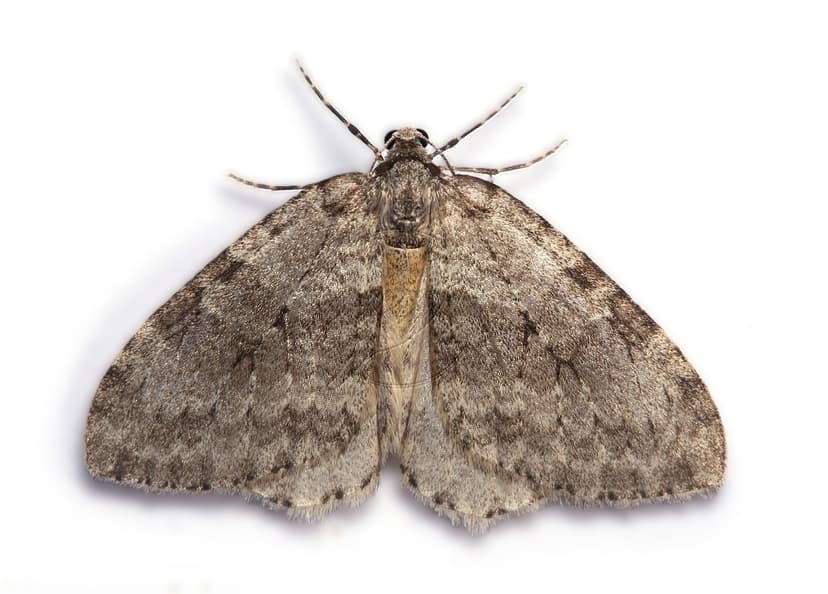
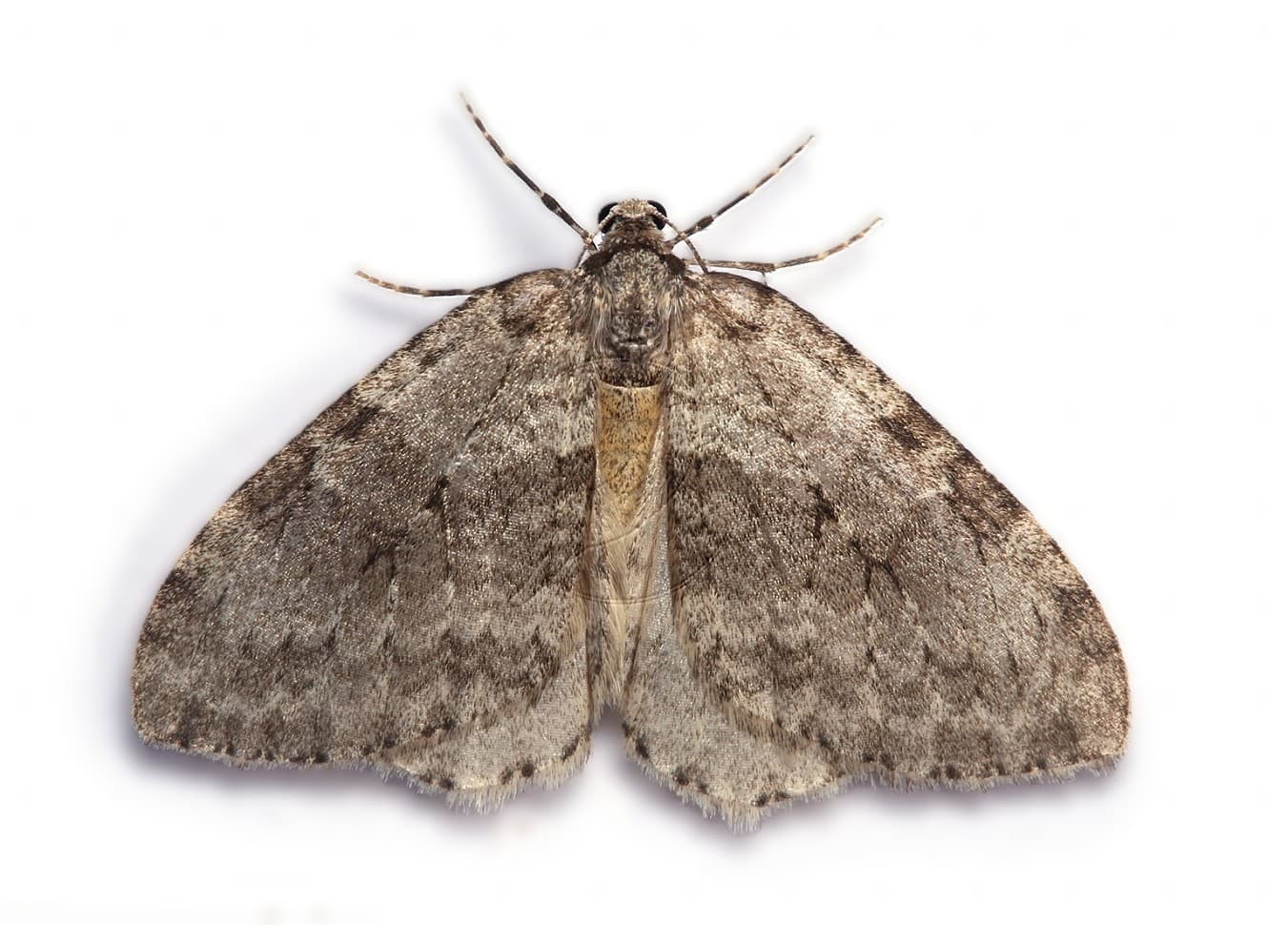
The presence of moths in your home can be frustrating and emotionally distressing — not just because of the damage they cause, but because that damage is often to items you have an emotional attachment to. Nobody wants to find holes in a carefully stored wedding dress, or damage to a quilted throw handed down from a beloved grandmother. The cost of replacing damaged carpets, curtains, and upholstery can also be substantial.
Identifying a textile moth problem early is crucial because the damage is done by the larvae before you ever see an adult moth flying around. Unlike common house moths, textile moths are photophobic — they hate light — so they hide in the darkest, most undisturbed corners of your home.
Published:
Physical Damage to Fabrics
The most obvious sign of a moth infestation is the damage to fabrics left behind by feeding larvae. This damage takes several forms depending on how long the larvae have been active and the type of fabric.
Irregular Holes — Look for small, scattered holes in natural fibres like wool, silk, cashmere, fur, and feathers. Larvae rarely eat purely synthetic fabrics unless they are heavily soiled with food or sweat stains.
Grazing Marks — You may see thinned patches or surface grazing where larvae have eaten only the top layer of the fabric without going all the way through. This is often the earliest stage of damage and easy to miss.
Bald Spots on Rugs and Carpets — In wool carpets, look for patches where the pile (the fuzzy surface) is missing, leaving only the stiff backing visible. This typically happens under heavy furniture that is not moved often, along carpet edges near skirting boards, and in dark corners of rooms.
Visible Trace Evidence
Larvae leave behind several distinct tell-tale signs as they grow. These are often easier to spot than the damage itself, especially in the early stages.
Silken Tubes or Cases — Depending on the species, you may find small tunnels of webbing attached to the fabric, or portable cases that look like a grain of rice moving across the material. Case-bearing clothes moth larvae drag their case with them as they feed. These cases are often the same colour as the material being consumed, so look carefully.
Frass (Larval Droppings) — You may see tiny, sand-like grains that are often the same colour as the fabric being eaten. Frass accumulates on surfaces below the feeding area — on shelves under hanging clothes, or on the carpet beneath curtains.
Cocoons — Look for small, tough silken envelopes tucked into the seams of clothing, inside pockets, behind skirting boards, or in the cracks of wardrobe joints. These are where larvae pupate before emerging as adult moths.
The Insects Themselves
Adult Moths — Textile moths are small (about 6 to 8mm) and usually a silky gold or buff colour. Unlike stored product (pantry) moths, they do not fly well — they tend to flutter weakly or scurry across the floor and stay away from bright lights. If you see a small moth running along the carpet rather than flying to the light, it is almost certainly a textile moth.
Moth Larvae — If you find them, they look like tiny, creamy-white caterpillars with dark heads, usually about 10 to 12mm long. They are often found on or inside the fabric they are feeding on, and may be inside a silken tube or portable case.
Need professional help with moth pest control? BuzzKill Pest Control offers fast, effective treatment with no call-out charge.
Where to Check — The Hidden Spots
Because textile moths prefer dark, quiet areas, you need to inspect locations that are rarely disturbed. The most common hiding spots include:
Clothing — Underneath collars, inside cuffs, and along the seams of clothes made from natural fibres. Check items stored at the back of wardrobes and in drawers that are rarely opened.
Furniture — Behind and underneath heavy furniture such as sofas, wardrobes, dressers, and beds. Move furniture away from walls to check the carpet and skirting boards behind.
Storage — Inside storage boxes, suitcases, and bags containing heirloom textiles, blankets, or seasonal clothing. Loft storage is particularly vulnerable.
Carpets — The edges of wall-to-wall carpeting, especially near skirting boards, under rugs, and beneath any furniture that has not been moved for months. These dark, undisturbed strips are where carpet moth larvae thrive.
What to Do If You Find Signs of Moths
If you identify any of the signs above, act quickly — moth infestations grow exponentially as each female lays 40 to 50 eggs. Start by vacuuming all affected areas thoroughly, washing or dry cleaning all fabrics, and placing pheromone traps to monitor activity.
For anything beyond a very small, localised problem, professional treatment is strongly recommended. Moth larvae hide in crevices, carpet pile, and wall cavities where DIY sprays cannot reach. Our moth control service page covers pricing and the full treatment process.
Frequently Asked Questions
How do I know if I have clothes moths or pantry moths?
Clothes moths (textile moths) are small, gold or buff coloured, and avoid light — they scurry along floors and hide in dark places. Pantry moths (Indian meal moths) are slightly larger with distinctive copper-brown wing tips and are attracted to light. Clothes moths damage fabrics; pantry moths infest stored food.
Can moth damage be repaired?
Small holes can sometimes be repaired by a specialist textile reweaver, but this is expensive and not always possible. Carpet damage may require patching or replacement of affected sections. Prevention and early detection are far cheaper than repair.
Do moths only damage natural fibres?
Moths primarily damage natural fibres containing keratin — wool, silk, cashmere, fur, and feathers. However, larvae will also damage blended fabrics and may eat through synthetic fibres if they are heavily soiled with food stains, sweat, or body oils.
Why do I only see moths at certain times of year?
Adult textile moths are most visible in spring and summer when they emerge to mate and lay eggs. However, larvae can be actively feeding year-round in heated homes. Centrally heated properties with fitted carpets provide ideal conditions for moths throughout the year.
Can moth larvae live in my walls?
Yes. Moth larvae can establish themselves in wall cavities, behind skirting boards, and in any dark crevice near a food source. This is one reason professional treatment is important — residual sprays and fogging reach areas that vacuuming and DIY sprays cannot.
Professional Moth Pest Control Service
Learn more about our moth pest control service, pricing, treatment methods, and customer reviews.
View Moth Pest Control Service