
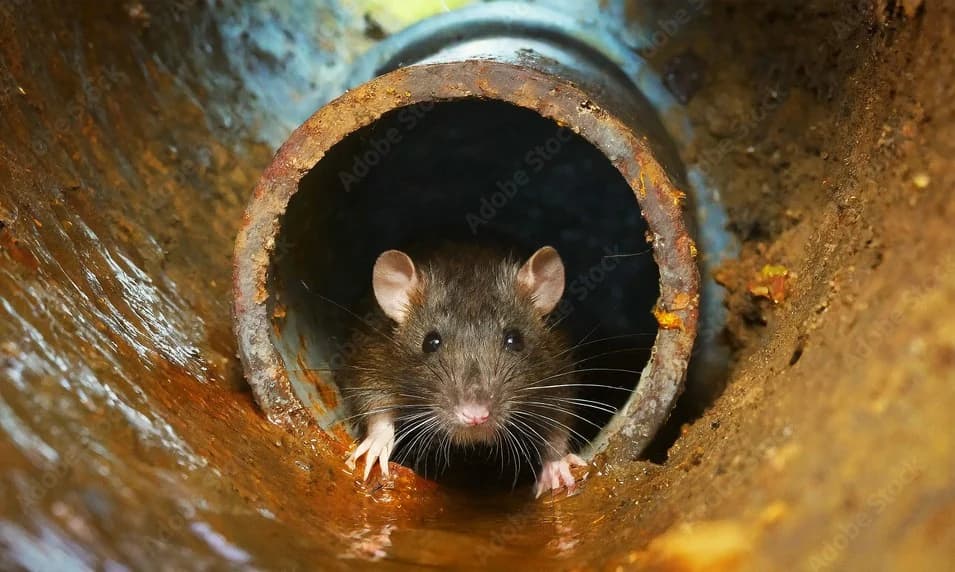
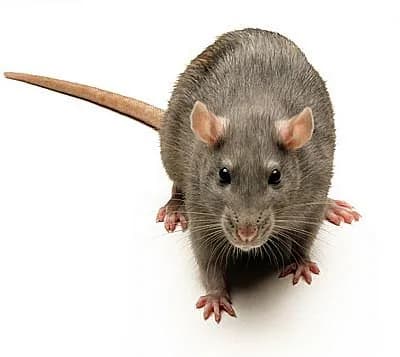
A large proportion of rat infestations in London and urban areas originate from the drainage system. Brown rats are natural inhabitants of sewers — they are excellent swimmers, can hold their breath underwater, and navigate pipe networks with ease. When your drainage has defects, rats exploit these to leave the sewer and enter your property.
This guide explains how rats travel through drains, the common drainage defects that allow them access, how CCTV drain surveys identify these problems, and the permanent solutions available to stop rats entering through your drainage.
Published:
How Rats Travel Through Drains
Brown rats are perfectly adapted to life in sewers. They can swim for up to 3 days continuously, tread water for 3 days, hold their breath for up to 3 minutes, and navigate the U-bend of a toilet. The sewer system provides them with food (from organic waste), water, shelter, and a network of tunnels connecting the entire city.
Rats travel freely through the public sewer system, which connects to your private drainage via branch connections. If your private drainage has defects — cracks, displaced joints, broken sections, or redundant connections — rats can leave the sewer, enter your private drainage, and from there access your property through toilets, drain connections, or gaps around pipe penetrations.
This is why many rat problems seem impossible to solve with baiting alone. If the drainage issue is not identified and fixed, new rats simply replace the ones that have been killed — creating a cycle of repeated infestations.
Common Drainage Defects That Allow Rat Access
Cracked or fractured pipes are the most common defect. Clay drainage pipes in older properties are particularly vulnerable to cracking from ground movement, tree root pressure, and age. Even a small crack in a pipe joint provides enough space for a rat to gnaw its way through into the surrounding soil and from there into your property.
Displaced joints occur when pipe sections shift apart at their connections, leaving a gap. Root ingress — where tree roots grow into pipe joints seeking moisture — widens gaps and creates openings. Collapsed pipe sections create voids that rats use as harbourage points within the drainage system.
Redundant or disused drainage connections that have not been properly sealed are another common entry point. Old connections from removed toilets, sinks, or outbuildings may be left open, providing direct access from the sewer into the ground around your property. Missing or broken interceptor traps — designed to separate your drainage from the public sewer — also allow free rat access.
CCTV Drain Surveys — Finding the Problem
A CCTV drain survey is the only way to accurately identify drainage defects allowing rat access. A small, waterproof camera is fed through your drainage system, recording video of every pipe, joint, and connection. The operator can identify cracks, displacements, root ingress, collapses, and open connections in real time.
The survey produces a detailed report with annotated footage showing the location and severity of each defect. This allows targeted repairs rather than speculative digging — saving significant cost compared to excavating blindly to find the problem.
At BuzzKill, we offer CCTV drain surveys as part of our rat treatment service for properties where drainage is suspected as the entry route. If the survey reveals defects, we can recommend specialist drainage contractors to carry out the repairs, or in some cases carry out minor repairs ourselves.
Rat Blockers and Drain Valves
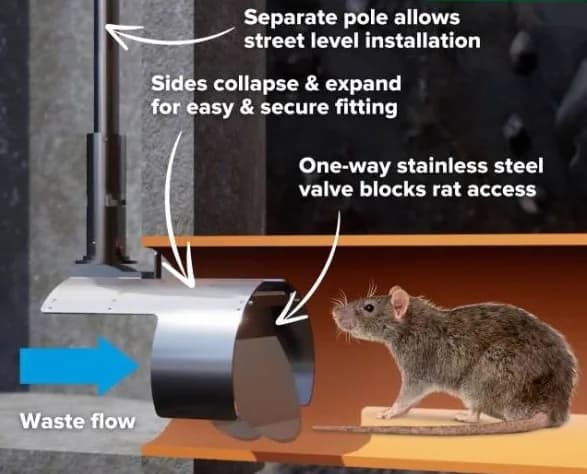
Rat blockers — also called non-return valves or rat flaps — are one-way devices installed inside drain pipes that allow water and waste to flow out but prevent rats from swimming upstream into your drainage. They are a cost-effective first line of defence, particularly for properties with known drainage access issues.
Rat blockers are fitted inside the pipe at the point where your private drainage connects to the public sewer, or at other strategic points identified during the CCTV survey. They are made from stainless steel to resist rat gnawing and are designed to be self-cleaning, requiring minimal maintenance.
While rat blockers are effective at preventing upstream rat movement, they do not fix the underlying drainage defect. If a pipe is cracked, rats can still enter the surrounding soil and potentially find alternative routes. For a permanent solution, the drainage defect itself should be repaired.
Need professional help with rat control? BuzzKill Pest Control offers fast, effective treatment with no call-out charge.
Drainage Repair Options
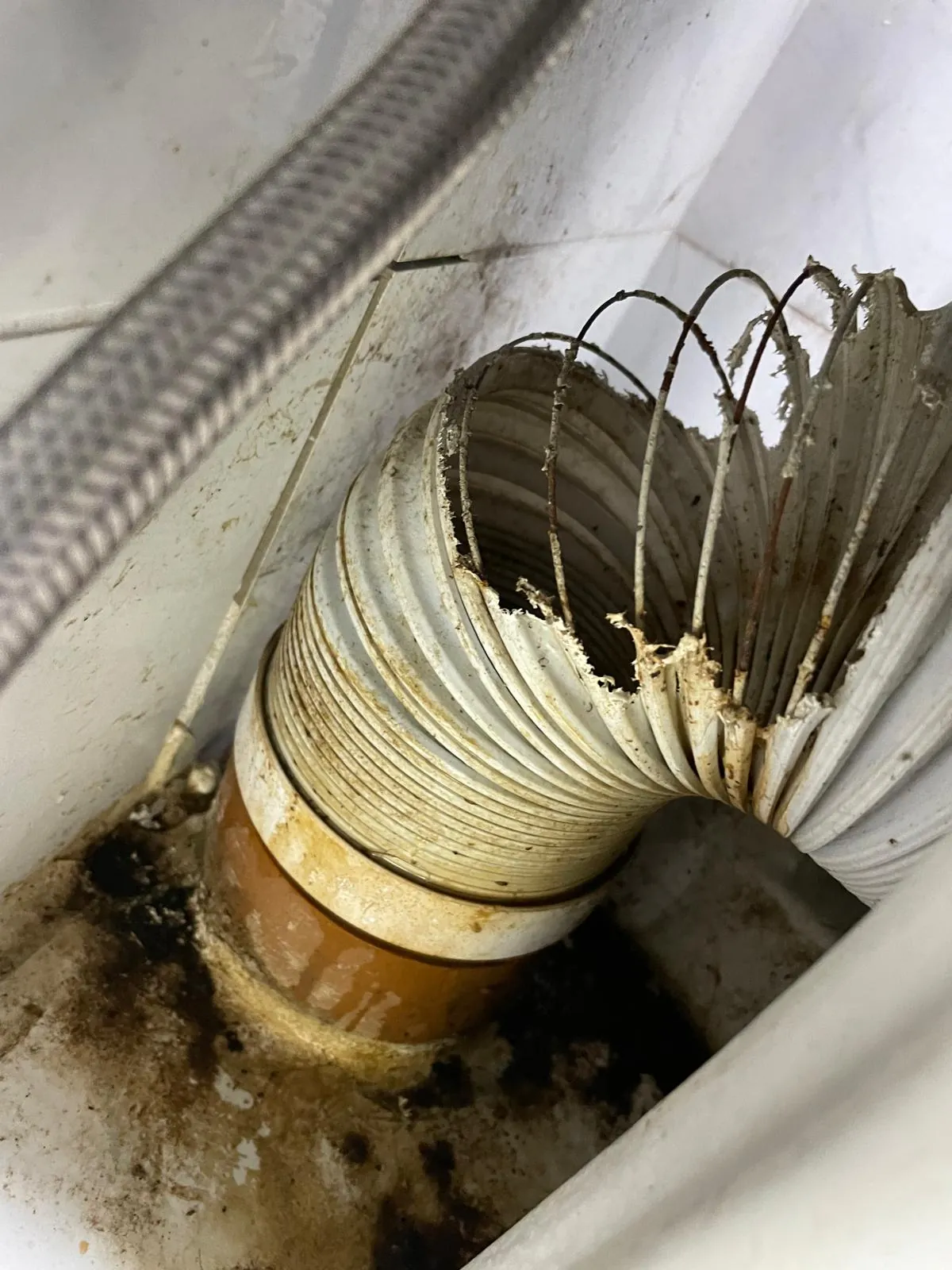
Pipe lining (CIPP — cured-in-place pipe) is the most common repair method. A resin-impregnated liner is inserted into the damaged pipe and inflated, creating a smooth, jointless pipe within the existing pipe. This seals cracks, displaced joints, and root ingress without excavation — making it faster, cheaper, and less disruptive than traditional dig-and-replace methods.
For collapsed or severely damaged sections, excavation and replacement may be necessary. This involves digging down to the damaged pipe, removing the affected section, and installing new pipework. While more disruptive, it provides a definitive repair for sections beyond the reach of lining.
Sealing redundant connections involves capping or permanently blocking disused pipe connections that provide open access to the drainage system. This is a straightforward repair that immediately eliminates an entry point.
Signs That Rats Are Coming from Your Drains
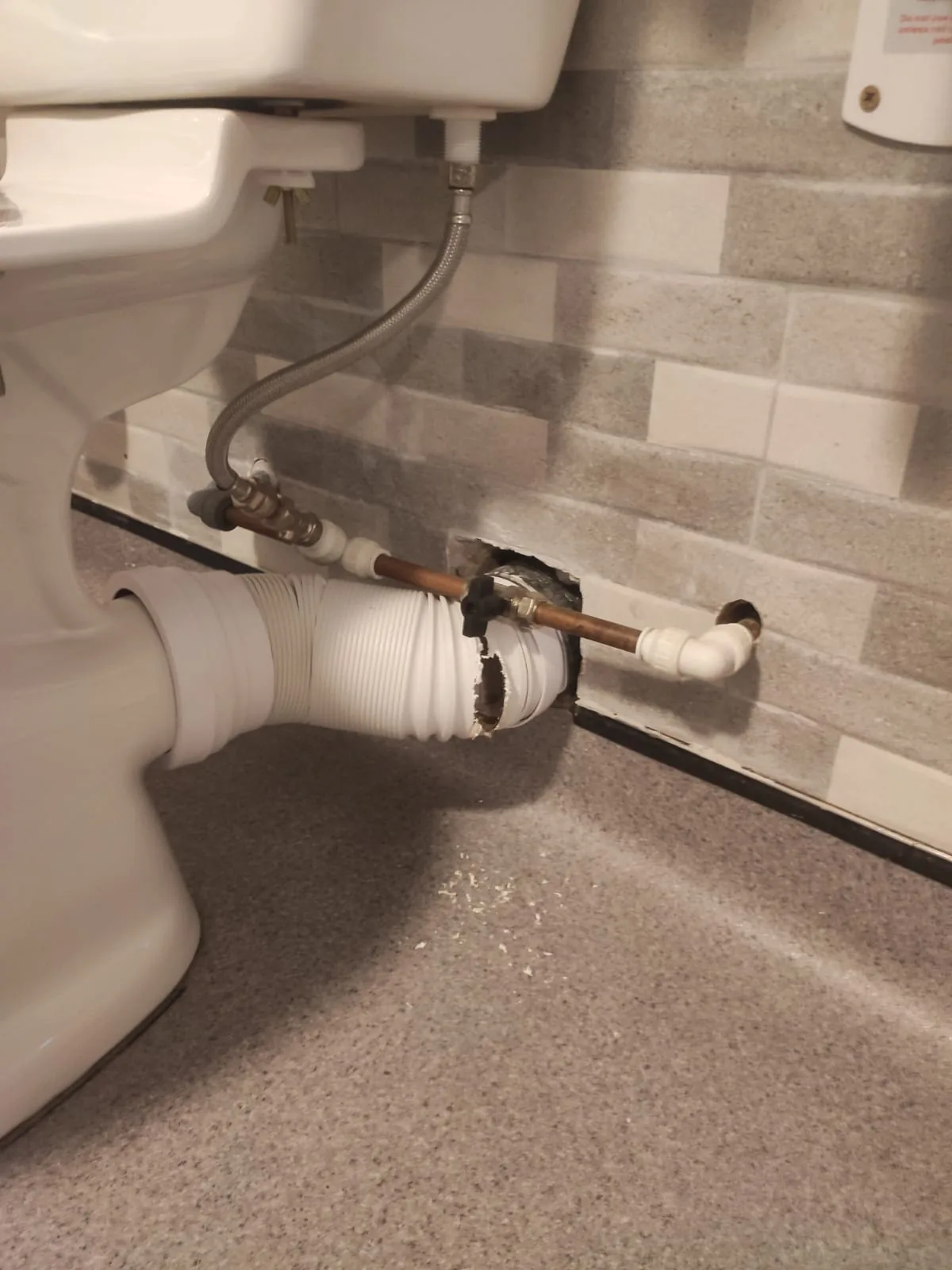
Several indicators suggest a drainage-related rat problem. Rats appearing in the toilet — while alarming — is the most obvious sign. Rat activity concentrated around ground-floor bathrooms, utility rooms, or the kitchen (where drainage connections are located) also points to a drainage source.
Repeated infestations that return within weeks of treatment despite baiting and proofing strongly suggest an unresolved drainage issue. If your pest controller has sealed all visible entry points and the problem persists, drainage should be investigated.
Other clues include gurgling drains, slow-draining toilets, damp patches near drainage runs, and subsidence cracks near pipe routes — all of which may indicate drainage defects that coincide with rat access. If you suspect a drainage issue, contact our rat control team to arrange a CCTV survey.
Frequently Asked Questions
Can rats really come up through the toilet?
Yes, though it is uncommon. Rats can swim through water-filled U-bends. If your drainage has defects that allow rats to enter the pipe system, they can theoretically reach any connected fixture including toilets. Fitting a rat blocker on your drain outlet prevents this.
How much does a CCTV drain survey cost?
A standard residential CCTV drain survey typically costs £150 to £300 depending on the size and complexity of the drainage system. This includes the survey, recorded footage, and a detailed report identifying any defects. It is often the most cost-effective step in resolving a persistent rat problem.
Will a rat blocker solve my rat problem?
A rat blocker prevents rats from travelling upstream through your drainage, which stops them entering via that specific route. However, if your pipes are cracked, rats can still exit through the crack into the surrounding soil. For a permanent solution, the underlying drainage defect should also be repaired.
How do I know if my drains are damaged?
Signs include slow-draining sinks or toilets, gurgling sounds, damp patches near drain runs, subsidence cracks, and persistent rat problems despite treatment. The only definitive way to identify drainage defects is a CCTV drain survey, which inspects the inside of every pipe.
Are drain repairs covered by insurance?
Many home insurance policies cover drainage repairs if the damage is sudden and accidental (e.g., a collapsed pipe). However, damage from gradual wear, tree root ingress, or lack of maintenance is often excluded. Check your specific policy, as coverage varies significantly between insurers.
Professional Rat Control Service
Learn more about our rat control service, pricing, treatment methods, and customer reviews.
View Rat Control Service