


Preventing rats from entering your property is far easier and cheaper than dealing with an established infestation. Rats need three things: food, water, and shelter. Eliminate these, seal their entry points, and maintain your drainage — and you can make your property virtually rat-proof.
This guide provides a systematic approach to rat prevention covering your home, garden, drainage, and outbuildings — with practical steps you can take immediately.
Published:
Secure All Food Sources

Rats are omnivorous and opportunistic. In urban environments, their primary food sources are bird feeders, unsecured bins, compost heaps, pet food, and fallen fruit. Eliminating these attractants is the single most important prevention step.
Stop bird feeding if you have had any rat activity — bird seed and fat balls are among the strongest rat attractants. If you must feed birds, use a high-mounted feeder with a catch tray and clean up spilled seed daily. Store all pet food in sealed metal containers and feed pets indoors at set times.
Ensure wheelie bins close fully and are not overflowing. Do not leave black bags outside overnight. Clear fallen fruit from garden trees promptly. If you compost, use a fully enclosed, rat-proof bin with a solid base — open compost heaps are ideal rat harbourage and food sources.
Proof Your Property
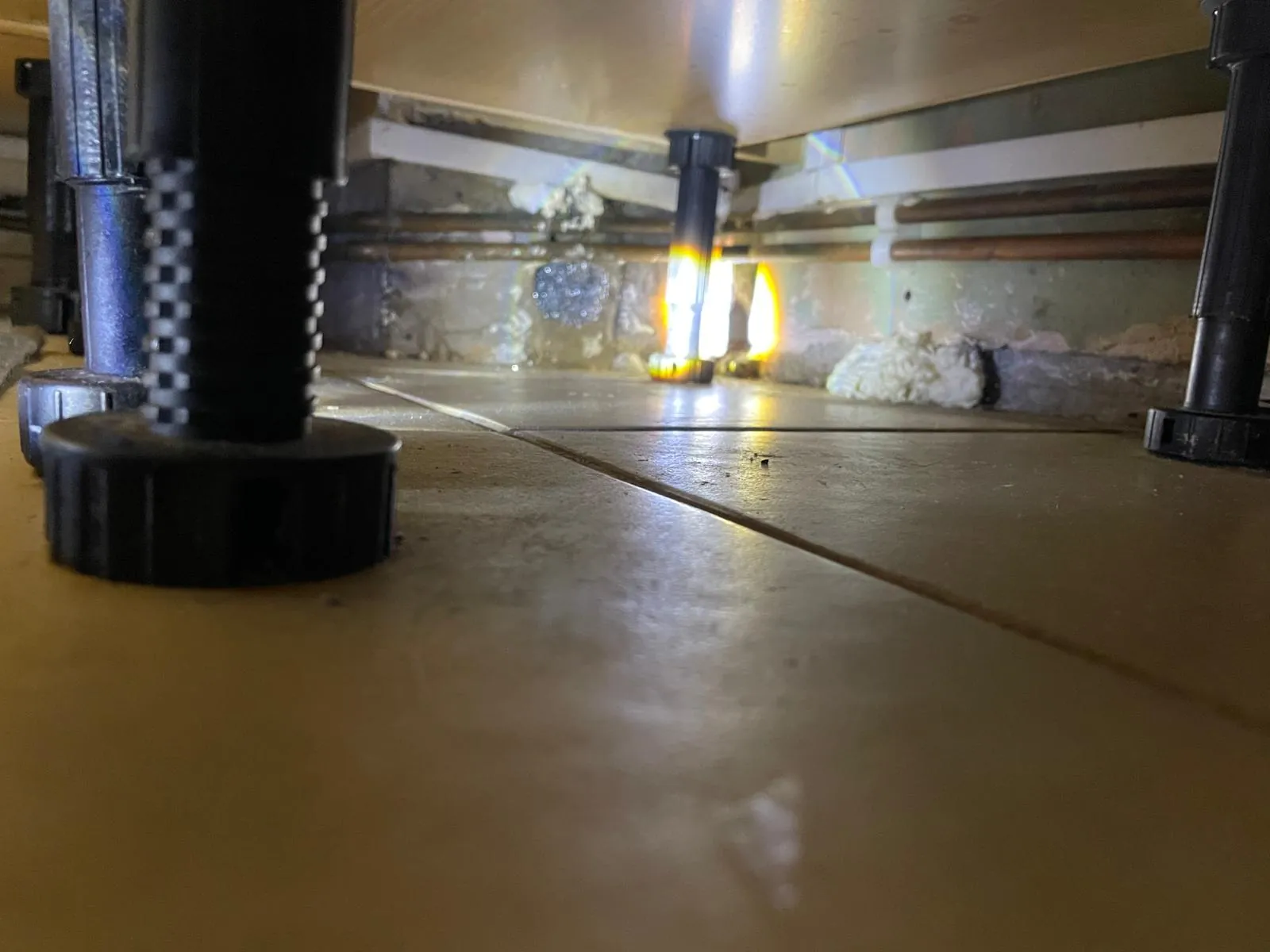
Rats can squeeze through gaps as small as 15mm — roughly the width of your thumb. Inspect the full perimeter of your property for potential entry points, paying close attention to gaps around pipes, cables, vents, and where extensions meet the main building.
Use galvanised steel mesh (minimum 1.2mm gauge) and cement to seal holes in external walls. Fit metal kick plates to the base of doors that have gaps underneath. Ensure all air bricks are intact — cracked or missing air bricks are one of the most common entry points for rats.
Check where soil pipes, waste pipes, and overflow pipes penetrate external walls. Seal any gaps around these with cement or stainless steel mesh. Install one-way rat flaps on drain outlets if rats have been entering through the drainage system.
Maintain Your Drainage
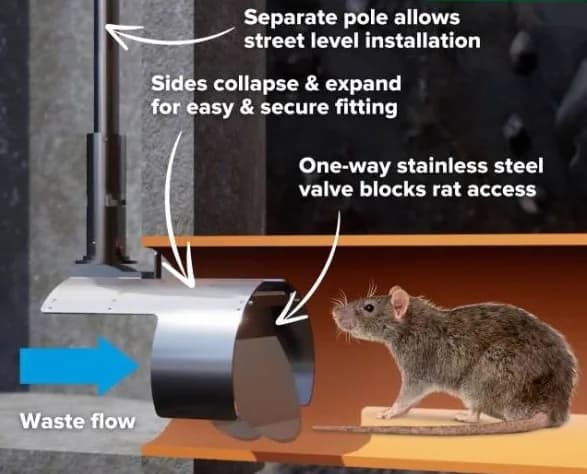
Defective drainage is the number one cause of persistent rat problems in urban areas. Rats live naturally in sewer systems, and they enter properties through cracks, displaced joints, broken pipes, and missing interceptor traps in the drainage network.
Have your drainage inspected if you experience a rat problem that keeps returning despite treatment. A CCTV drain survey will reveal any defects allowing rats to leave the sewer and enter your property. Common issues include cracked clay pipes, root ingress through joints, collapsed sections, and disused connections that have not been properly sealed.
Preventative measures include fitting rat blockers (one-way valves) to drain outlets, ensuring all inspection chamber covers are secure and undamaged, and addressing any slow-draining or gurgling toilets which may indicate a drainage defect. Our rats in drains guide covers drainage issues in detail.
Garden and Exterior Maintenance
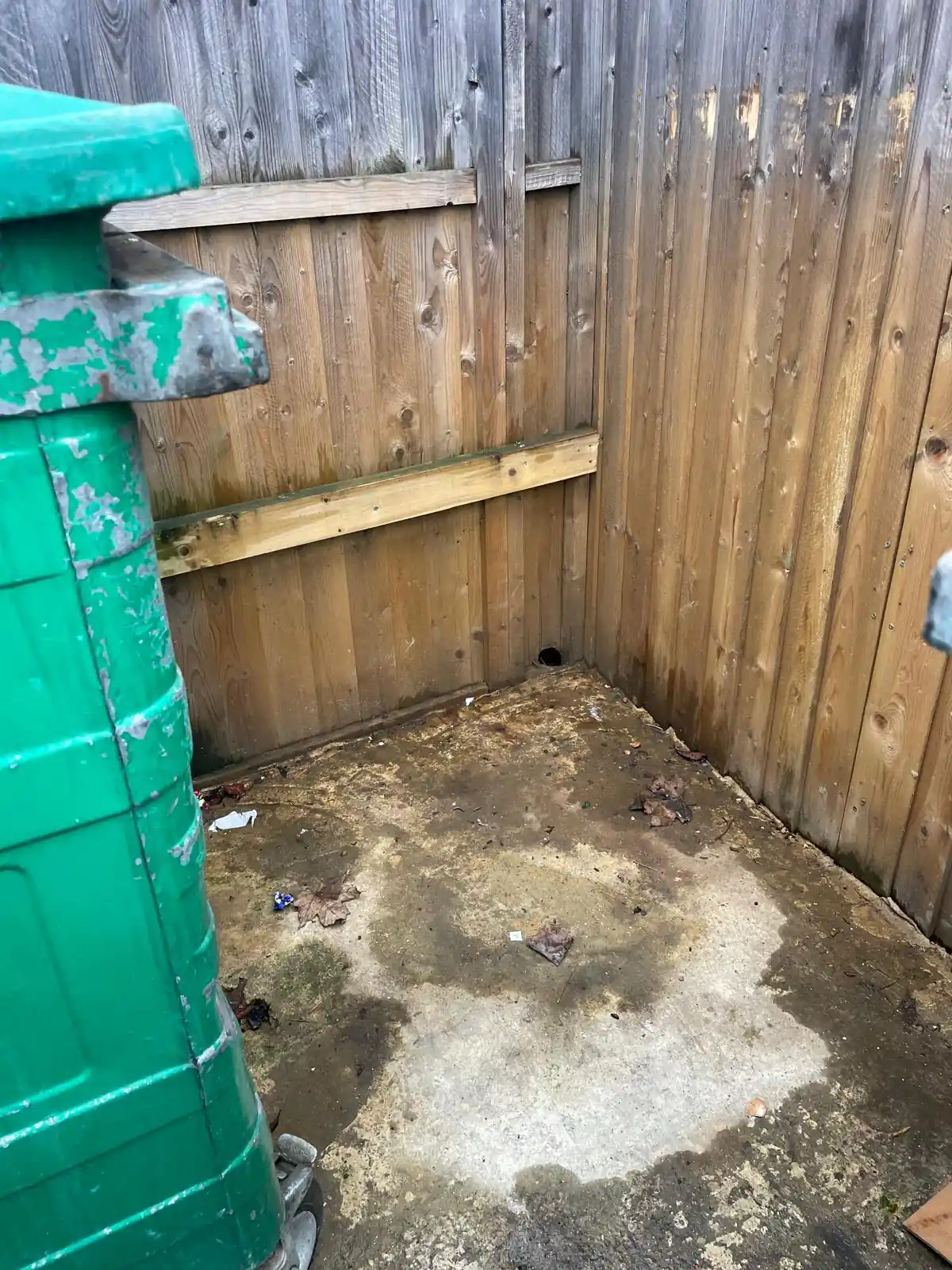
Rats need cover and shelter to feel safe. Overgrown gardens, dense ground-cover planting against house walls, wood piles, and accumulated debris all provide the harbourage rats need to establish a colony close to your home.
Keep vegetation trimmed back from walls by at least 30cm. Cut back overhanging tree branches to at least 1.5 metres from the building — rats use branches as bridges to access roofs and lofts. Remove or elevate wood piles, and clear any accumulated rubbish, old furniture, or building materials from the garden.
Decking is a common harbourage point. The sheltered void beneath decking provides ideal nesting conditions. If you have decking and experience rat activity, consider fitting rat-proof mesh around the perimeter or raising the decking to remove the sheltered space.
Need professional help with rat control? BuzzKill Pest Control offers fast, effective treatment with no call-out charge.
Outbuildings and Garages
Sheds, garages, and outbuildings are often the first structure rats enter on a property. They provide shelter, are frequently left with doors open or poorly sealed, and often contain stored food items like bird seed, grass seed, and pet food.
Fit draught excluders and metal kick plates to shed and garage doors. Seal any gaps around pipe and cable penetrations. Do not store food items in outbuildings unless they are in sealed metal containers. Keep outbuildings tidy and decluttered — cardboard boxes and stored fabrics provide nesting material.
If you have a detached garage or shed with a rat problem, treat it as a satellite colony. Rats will use it as a staging point before eventually entering your main house. Address the outbuilding problem before it escalates.
Annual Property Checks
Prevention is an ongoing process, not a one-off task. Conduct a property check at least once a year — ideally in early autumn before rat activity peaks in winter. Walk the perimeter checking for new gaps, damaged air bricks, and burrow holes. Check the loft for droppings or gnaw damage.
If you live in a terraced or semi-detached house, be aware that rats can travel between properties through shared wall cavities, connected drainage, and gaps at party wall junctions. Your prevention efforts can be undermined by a neighbouring property with poor maintenance.
For properties with a history of rat problems, consider an annual professional survey. A pest controller will check for early signs of activity and verify that previous proofing remains intact. This is far cheaper than treating a re-established infestation.
Frequently Asked Questions
What is the best rat deterrent?
Physical proofing — sealing entry points with galvanised steel mesh and cement — is the only proven long-term deterrent. No spray, ultrasonic device, or home remedy provides reliable, lasting protection. Maintaining your drainage is equally important for urban properties.
Does having a cat deter rats?
Some cats will hunt rats, but many domestic cats are intimidated by adult rats, which can be aggressive when cornered. A cat may deter rats from open garden areas but will not prevent them accessing your home through drains, wall cavities, and roof spaces.
Will rats come back after treatment?
If the entry points and food sources are not addressed, yes. Treatment eliminates the current colony, but without proofing and prevention, new rats will eventually move in. This is why professional treatment always includes proofing recommendations.
Can rats get under decking?
Yes. The sheltered void beneath decking is one of the most common rat harbourage points in UK gardens. If you have decking near your house, inspect it regularly for burrow holes, droppings, and gnaw damage. Fitting mesh around the perimeter prevents access.
Do rats only come out at night?
Rats are primarily nocturnal, but they do forage during the day in quiet areas or when the colony is large and food competition is high. Daytime sightings usually indicate a significant population.
Professional Rat Control Service
Learn more about our rat control service, pricing, treatment methods, and customer reviews.
View Rat Control Service