

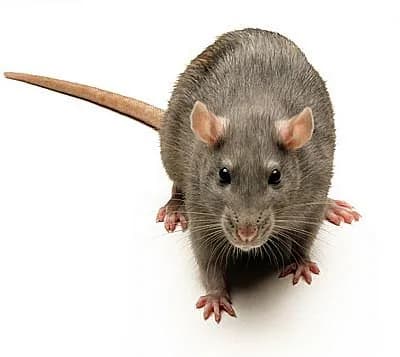
A rat infestation in commercial premises carries severe legal, financial, and reputational consequences. For food businesses, a single rat sighting reported to Environmental Health can trigger an inspection that leads to enforcement action, closure notices, and prosecution. Even non-food businesses face damage to stock, wiring, and infrastructure that can disrupt operations for weeks.
This guide covers your legal responsibilities as a business owner, why commercial premises are particularly vulnerable to rats, and how a structured pest management contract protects your business year-round.
Published:
Legal Obligations

The Prevention of Damage by Pests Act 1949 places a legal duty on all property owners and occupiers to keep premises free from rats and mice. Local authorities can serve notices requiring action, and failure to comply is a criminal offence carrying fines.
Food businesses face additional obligations under the Food Safety Act 1990 and Food Hygiene Regulations 2006. Environmental Health Officers can issue improvement notices, emergency prohibition orders (immediate closure), or prosecute businesses where rat activity poses a risk to food safety or public health.
Industry accreditation schemes including BRC, SALSA, and Red Tractor require documented evidence of proactive pest management. A failed pest audit can result in lost accreditation, lost contracts with major retailers, and significant commercial damage.
Why Commercial Premises Attract Rats
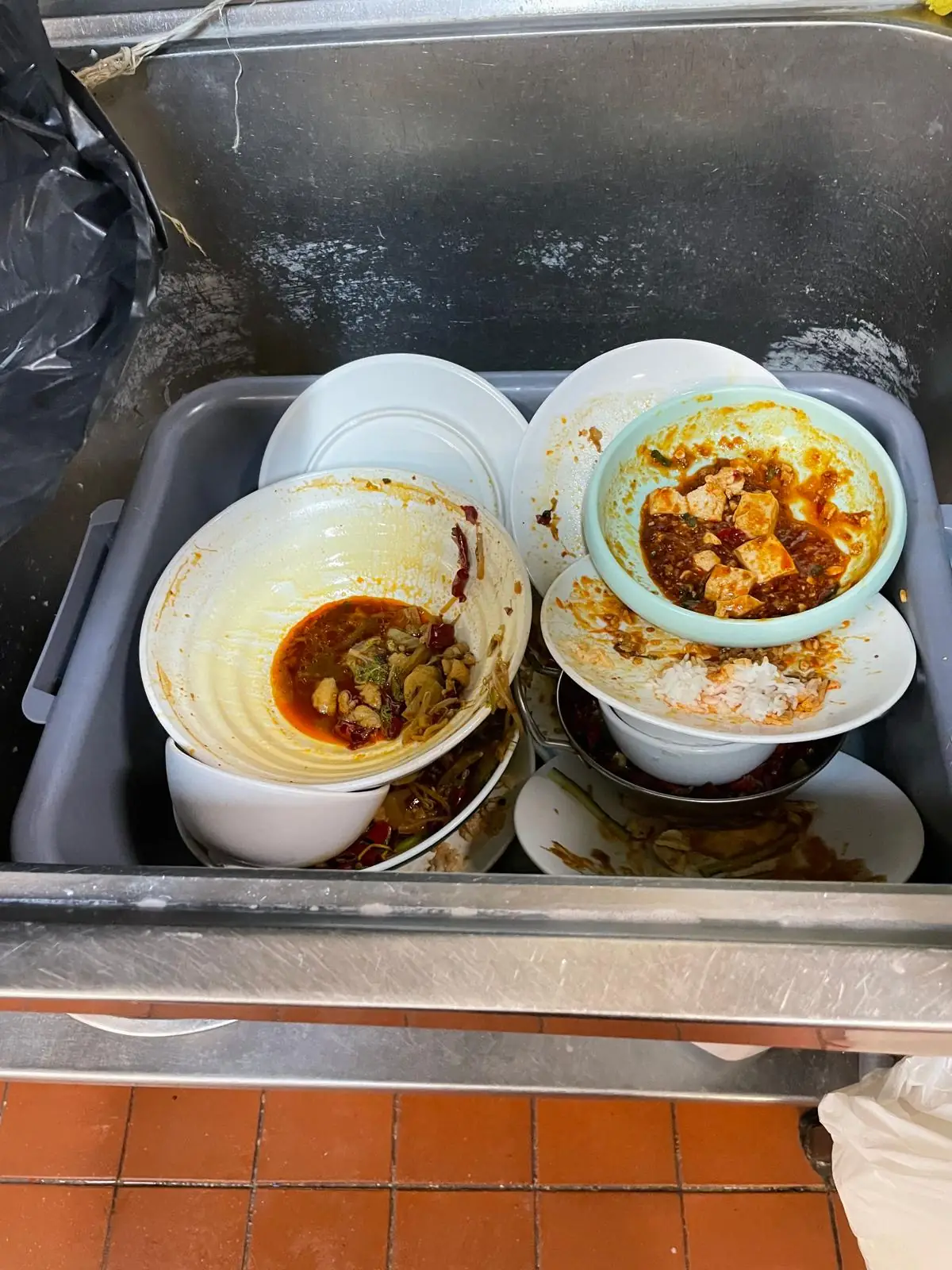
Commercial properties offer rats everything they need at scale — food waste from kitchens and bins, water from leaking pipes and drainage, and harbourage in loading bays, service ducts, and suspended ceiling voids. The volume of food waste generated by restaurants, takeaways, and food retailers is a powerful attractant.
Warehouses and storage facilities are particularly vulnerable. Palletised goods provide cover, cardboard packaging offers nesting material, and large roller-shutter doors create entry points that are difficult to seal. Rats can establish significant colonies inside racking systems without detection if regular inspections are not conducted.
Many commercial rat problems originate from drainage. Older commercial buildings often have ageing drainage systems with cracks, root ingress, and displaced joints that provide direct access from the sewer system. Without addressing drainage defects, treatment provides only temporary relief.
Commercial Rat Treatment Approach
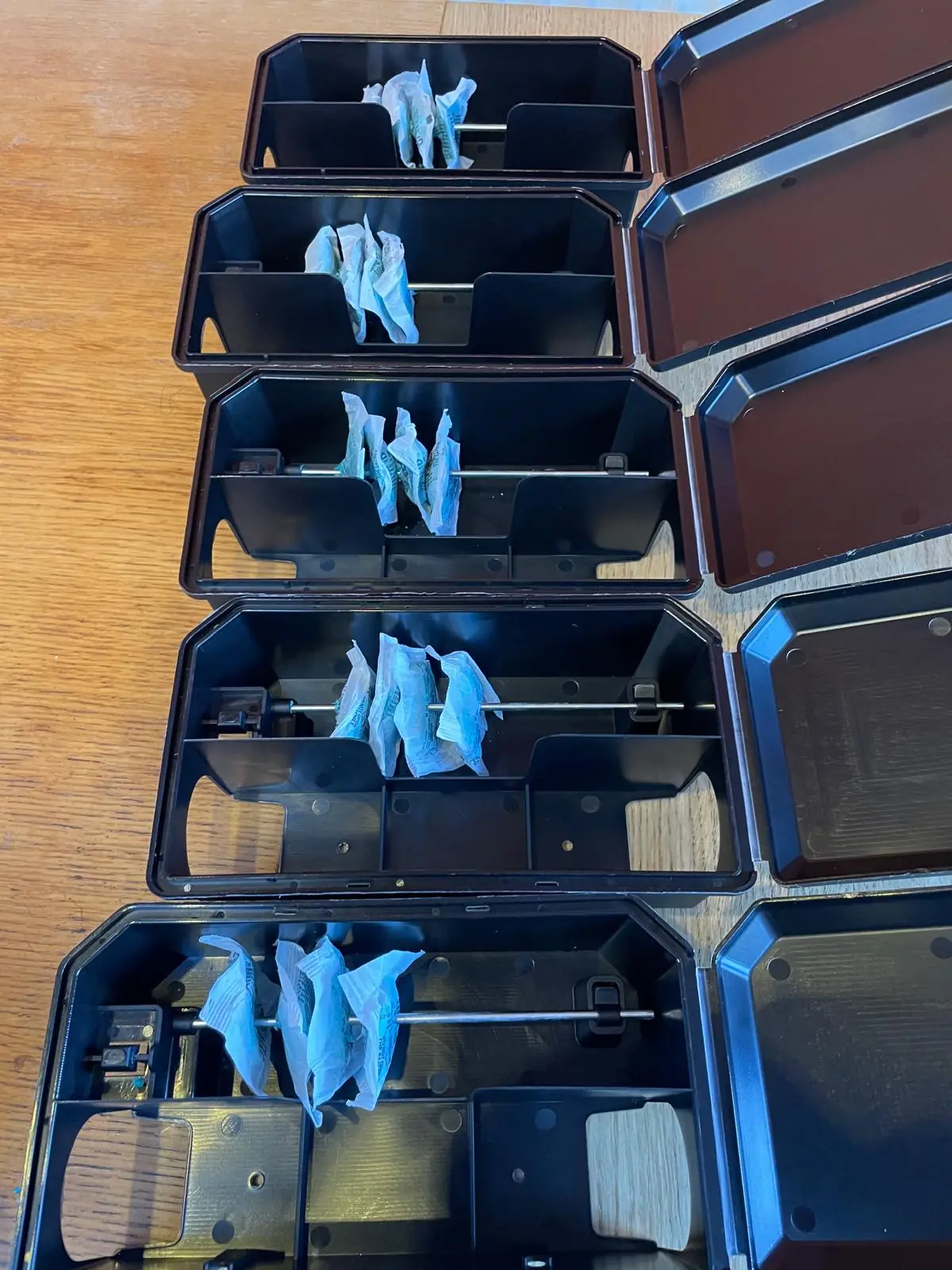
Commercial rat control requires an Integrated Pest Management (IPM) approach combining survey, treatment, proofing, monitoring, and sanitation improvements. A pest controller will conduct a detailed risk assessment identifying entry points, harbourage, food sources, and drainage condition.
Treatment typically involves professional-grade rodenticide in heavy-duty tamper-resistant bait stations at strategic locations, combined with monitoring stations to track activity levels. In sensitive food areas, non-toxic monitoring blocks and snap traps may be used instead of poison.
CCTV drain surveys are often essential for commercial properties experiencing persistent rat problems. Identifying and repairing drainage defects eliminates the source of the infestation rather than just managing symptoms. All treatment activities must be documented with written reports for regulatory compliance and audit purposes.
Need professional help with rat control? BuzzKill Pest Control offers fast, effective treatment with no call-out charge.
Contract Pest Management
A pest control service contract provides scheduled regular visits — typically monthly for food businesses, quarterly for lower-risk premises — rather than reactive callouts after a problem is discovered. This proactive approach catches problems early and demonstrates due diligence to regulators.
Contract services include scheduled inspections with written reports, bait station monitoring and replenishment, proofing recommendations, emergency callout cover between visits, and annual risk assessment reviews. Digital reporting systems provide audit-ready documentation accessible anytime.
The cost of a contract is minimal compared to the potential cost of enforcement action, lost accreditation, or negative publicity. A single social media post about a rat sighting can cause lasting reputational damage that far exceeds the cost of prevention.
Waste Management and Staff Training
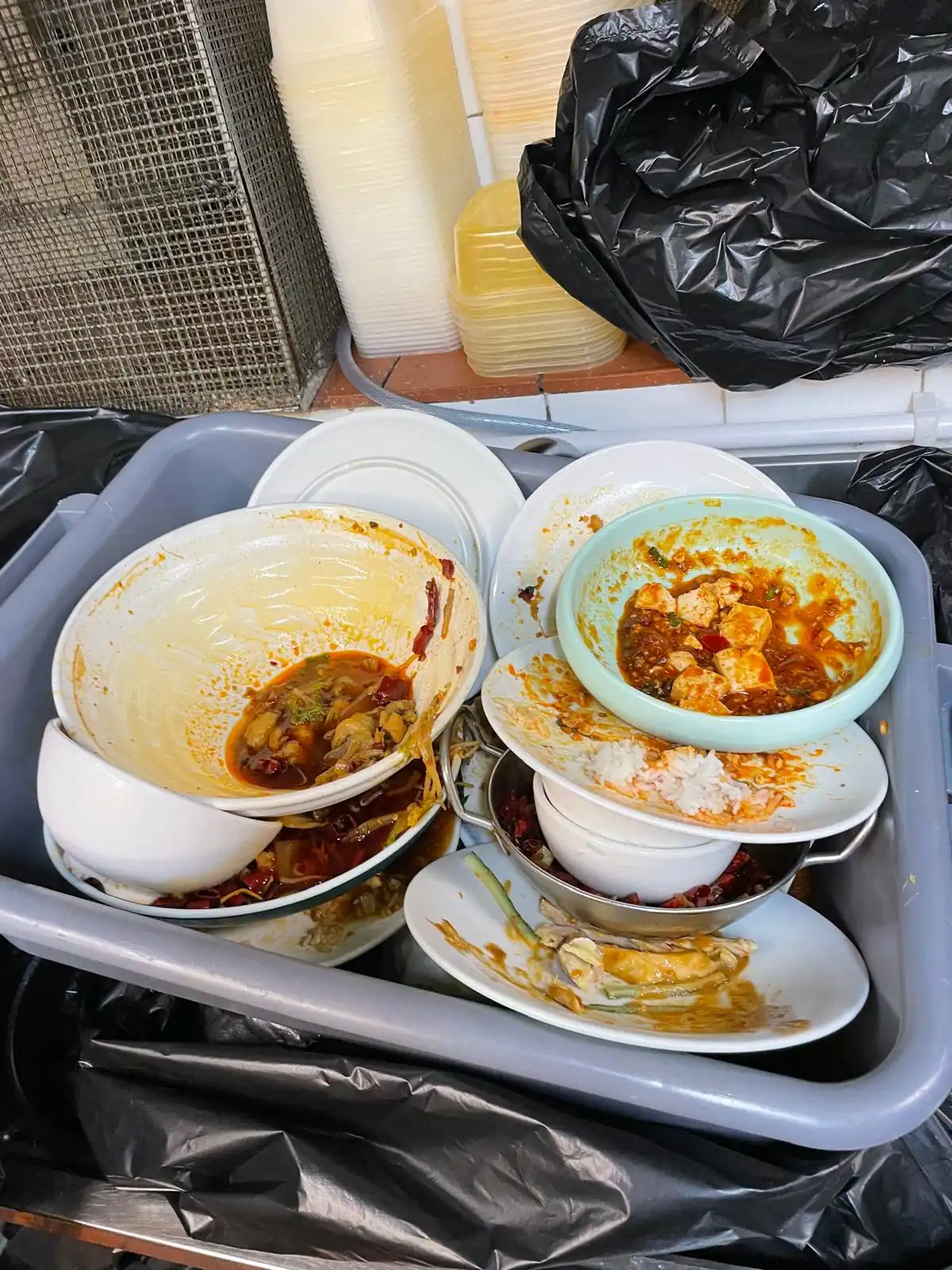
Waste management is the single most important factor in commercial rat prevention. Ensure external bins have tight-fitting lids, are emptied before they overflow, and the bin storage area is kept clean. Compactors and balers should be maintained and enclosed. Food waste should never be left in black bags on the ground overnight.
Train all staff to recognise signs of rat activity — droppings, gnaw marks, burrow holes, and smear marks — and to report them immediately. A culture of prompt reporting catches problems before they escalate. Kitchen staff should follow strict end-of-shift cleaning protocols.
Door discipline is critical. Loading bay doors, fire exits, and service entrances left propped open — even briefly — are one of the most common entry routes. Consider rapid-rise doors, air curtains, or self-closing mechanisms for high-traffic openings.
Frequently Asked Questions
Can my business be shut down because of rats?
Yes. Environmental Health Officers can issue emergency prohibition orders that close food businesses immediately if they believe there is an imminent risk to public health. A rat infestation in a kitchen or food storage area would constitute such a risk.
How often should commercial premises have rat inspections?
Food businesses should have monthly inspections at minimum. Warehouses and lower-risk premises may need quarterly visits. Your pest controller will recommend a frequency based on a site-specific risk assessment considering your industry, location, and history.
What documentation do I need for pest control audits?
Keep all pest controller visit reports, risk assessments, monitoring records, proofing recommendations, drainage survey reports, and evidence of corrective actions. These demonstrate due diligence during EHO inspections and industry accreditation audits.
Do rats in the sewer system mean I have a drain problem?
Not necessarily. Rats live in sewer systems naturally. They become a problem for your premises when drainage defects — cracks, displaced joints, or broken pipes — allow them to leave the sewer and enter your building. A CCTV drain survey identifies these defects.
How much does commercial rat control cost?
Commercial rat control contracts vary based on premises size, risk level, and visit frequency. Monthly contracts for small food businesses typically start from around £60 per month. One-off treatments for active infestations are quoted individually after a site survey.
Professional Rat Control Service
Learn more about our rat control service, pricing, treatment methods, and customer reviews.
View Rat Control Service