
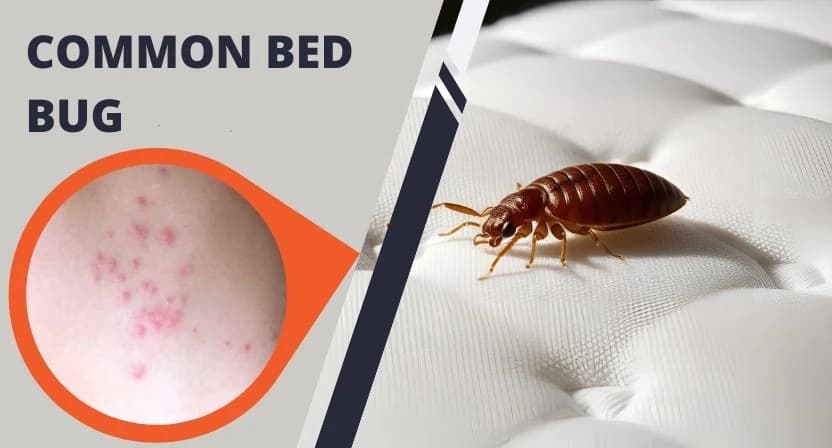
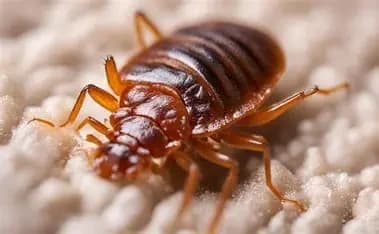
Bed bugs are masters of concealment. They are nocturnal, flat enough to hide in the narrowest cracks, and their bites are often mistaken for mosquito bites or skin irritation. Many people do not realise they have a bed bug problem until the infestation is well established.
Knowing the early warning signs allows you to act quickly before the problem escalates. This guide explains the most reliable indicators that bed bugs are present in your home and exactly where to look for them.
Published: · Updated:
Bed Bug Bites

Bites are often the first sign of a bed bug infestation. They typically appear as small, red, itchy welts on skin that was exposed during sleep — arms, shoulders, neck, face, and hands are the most common sites.
A characteristic pattern is a line or cluster of three or more bites in a row, sometimes called 'breakfast, lunch, and dinner.' This occurs because a single bug feeds multiple times along a path of exposed skin.
However, bites alone are not conclusive proof. Roughly 30% of people do not react to bed bug bites at all, meaning an infestation can go undetected for weeks. Others develop delayed reactions that appear days after being bitten. Always look for additional physical evidence to confirm.
Blood Spots on Bedding
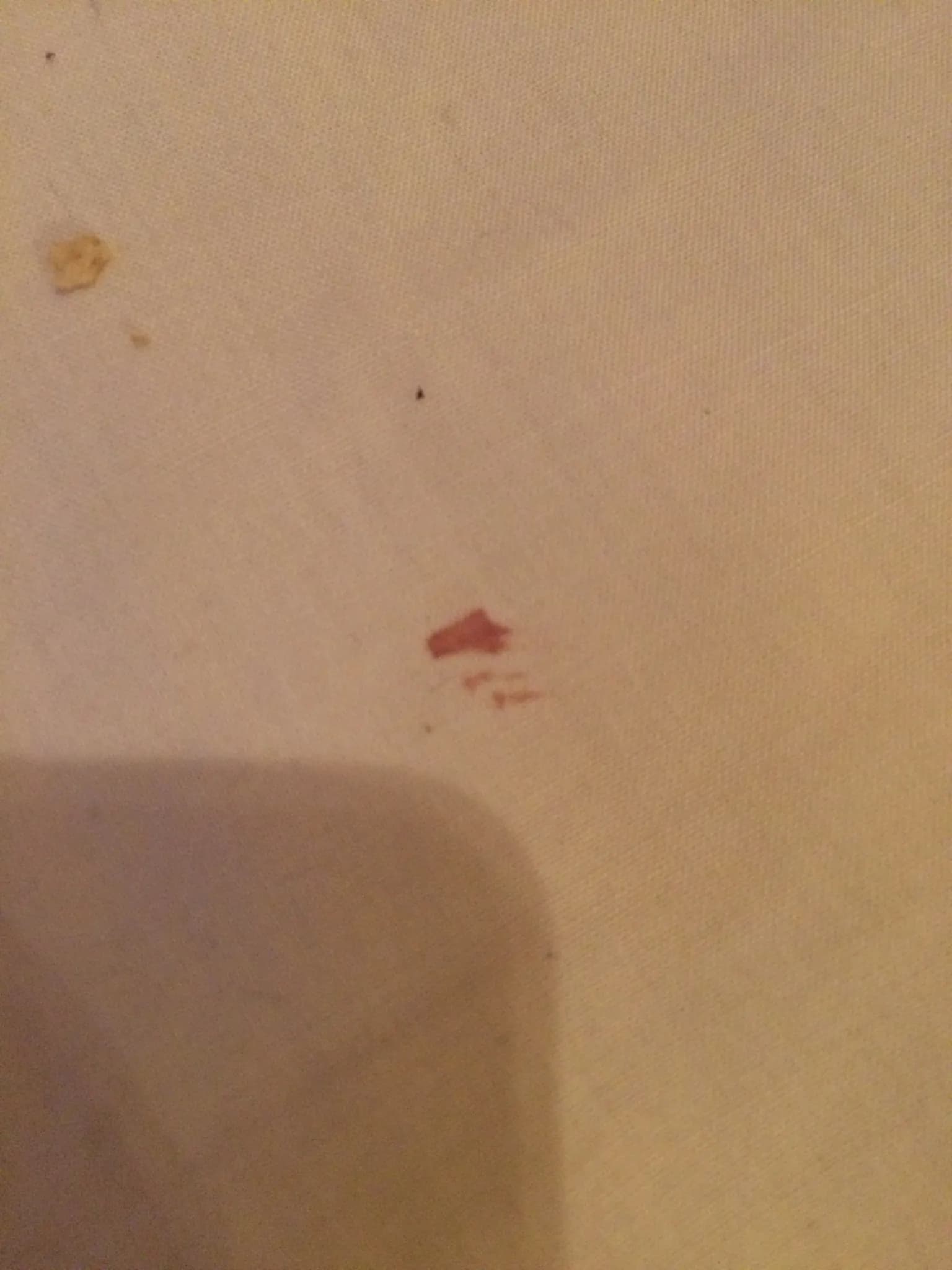
Small reddish-brown blood spots on your sheets, pillowcases, or duvet cover are a strong indicator of bed bug activity. These spots occur when a recently fed bed bug is crushed by movement during sleep, or when a bite site continues to bleed slightly after the bug withdraws.
Check your bedding carefully in the morning before making the bed. Blood spots are typically small — a few millimetres across — and may appear as smears rather than dots. They are most commonly found near the pillow area and along the centre of the sheet where you sleep.
Blood spots alone do not confirm bed bugs — a small cut or scratch can leave similar marks. Look for accompanying evidence such as fecal marks or shed skins nearby. If you find blood spots on multiple occasions in the same area of the bed, treat it as a strong warning sign and inspect the mattress seams immediately.
Fecal Marks and Staining
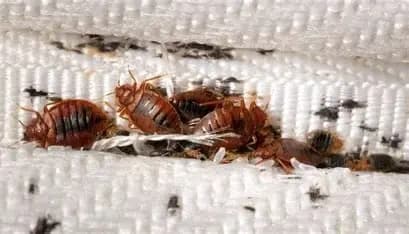
Bed bug fecal marks are small, dark brown or black spots that look like ink dots from a felt-tip pen. They are composed of digested blood and are deposited where bed bugs rest and congregate — along mattress seams, on the bed frame, behind the headboard, and along skirting boards.
Unlike blood spots, fecal marks soak into fabric and are difficult to remove. On hard surfaces they appear as raised dots. If you dampen a suspected fecal mark with a wet cotton bud, it will smear into a reddish-brown streak — this confirms it is digested blood rather than ordinary dirt.
Heavy concentrations of fecal spotting indicate an established harbourage point. If you find dense clusters of dark spots, the bugs are hiding very close by and may be present in large numbers.
Need professional help with bed bug removal? BuzzKill Pest Control offers fast, effective treatment with no call-out charge.
Shed Skins and Egg Casings
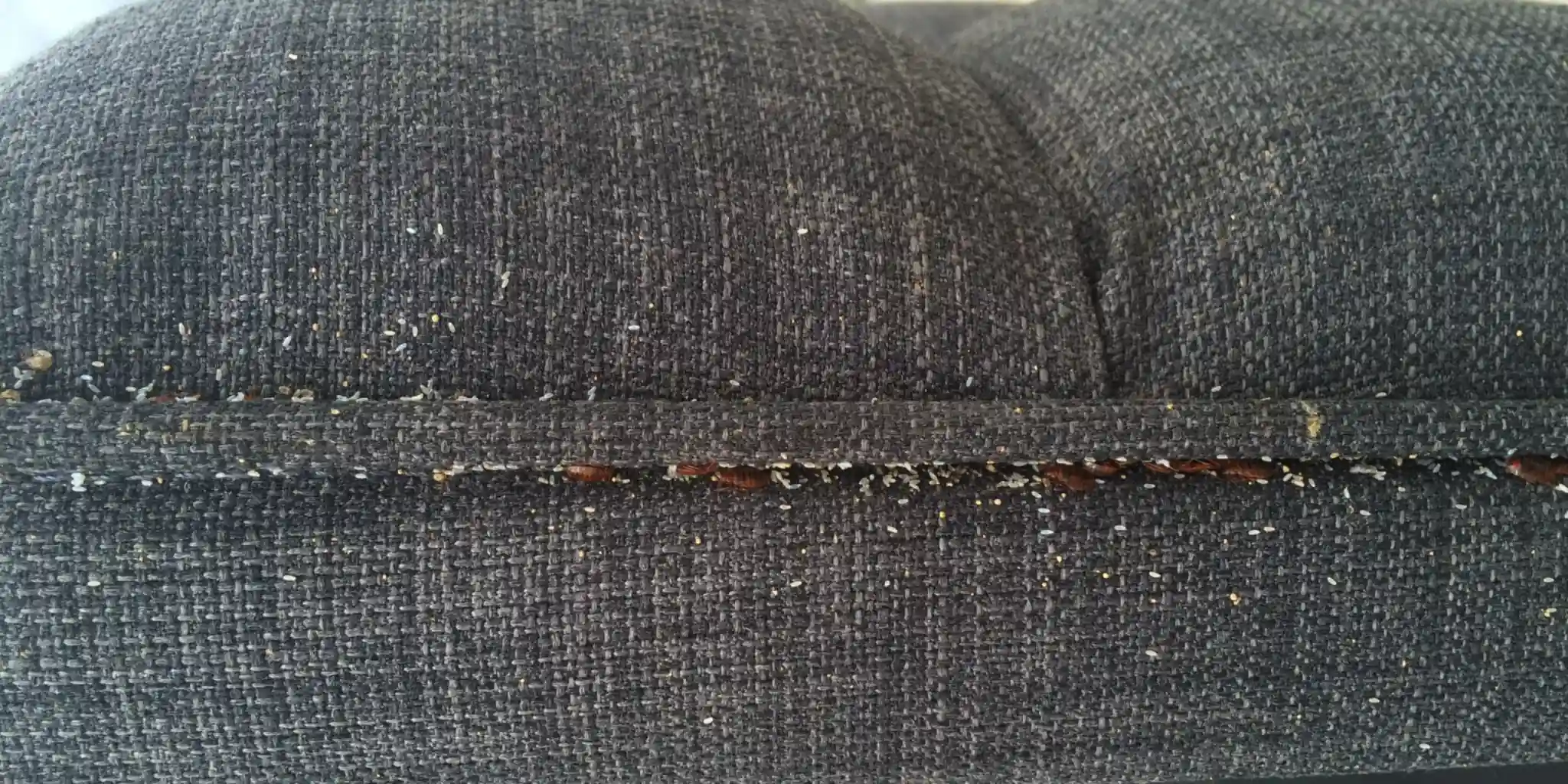
As bed bugs grow from nymph to adult, they moult five times, leaving behind translucent, pale-brown shed skins (exuviae). Finding these skins is strong evidence of an active infestation because they indicate bugs are feeding, growing, and reproducing in your home.
Shed skins accumulate in harbourage points — along mattress seams, inside bed frame joints, behind headboards, and in crevices near the bed. Empty egg casings (small, white, and elongated) will also be visible in these areas.
The number of shed skins gives an indication of infestation severity. A few skins suggest an early or small infestation, while piles of skins in multiple locations indicate a well-established colony that has been present for several weeks or months.
Where to Inspect for Bed Bugs
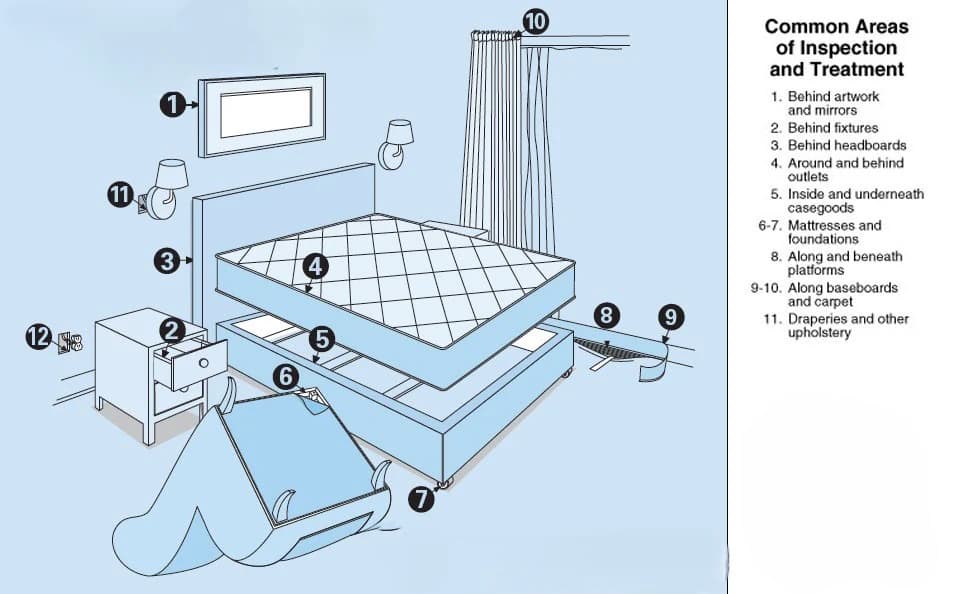
Start with the mattress. Lift it off the bed frame and inspect every seam, fold, handle, and label. Check the piping (the reinforced edge around the mattress) particularly carefully — this is where bed bugs most commonly hide. Use a torch and look for live bugs, eggs, skins, and fecal marks.
Examine the bed frame and headboard, paying attention to joints, screw holes, and any cracks or gaps. Bed bugs prefer wood and fabric over metal and plastic, so wooden bed frames and upholstered headboards are particularly at risk.
Once the bed is clear, widen your inspection outward from the sleeping area. Use a torch and a credit card or thin knife to probe cracks in furniture, gaps between floorboards, and behind any wall-mounted fixtures. In severe cases, bed bugs spread well beyond the bedroom — for a full room-by-room breakdown, see our bed bug control for homes guide.
If your inspection confirms bed bugs, read our guide to getting rid of bed bugs for DIY and professional treatment options. Understanding the bed bug lifecycle will help you understand why multiple treatments are needed. For a room-by-room treatment plan, see our bed bug control for homes guide.
Frequently Asked Questions
Can you see bed bugs with the naked eye?
Yes. Adult bed bugs are about 5mm long — roughly the size and shape of an apple seed — and are visible to the naked eye. Nymphs are smaller and paler but still visible, especially after feeding when they turn reddish. Eggs are tiny (1mm) and white, requiring close inspection to spot.
Can you have bed bugs without seeing them?
Absolutely. Bed bugs are nocturnal and hide in narrow crevices during the day. You may have a significant infestation and only notice bites, blood spots, or fecal marks without ever seeing a live bug. A thorough inspection of harbourage points is needed to confirm their presence.
What do bed bug bites look like compared to flea bites?
Bed bug bites typically appear on the upper body (arms, shoulders, neck) in lines or clusters, while flea bites tend to concentrate around the ankles and lower legs. Bed bug bites are usually larger and more inflamed than flea bites, but reactions vary significantly between individuals.
Do bed bugs have a smell?
Heavily infested rooms can have a distinctive musty, sweet odour often described as similar to coriander or overripe raspberries. This scent comes from alarm pheromones released by the bugs. If you can smell it, the infestation is likely severe.
How long before you notice bed bugs?
Many people live with bed bugs for weeks before noticing. Around 30% of people do not react to bites at all, and early infestations leave very few visible signs. Regular mattress inspections are the best way to catch a problem early — look for fecal spotting, shed skins, and eggs in seams and joints.
Professional Bed Bug Removal Service
Learn more about our bed bug removal service, pricing, treatment methods, and customer reviews.
View Bed Bug Removal Service