
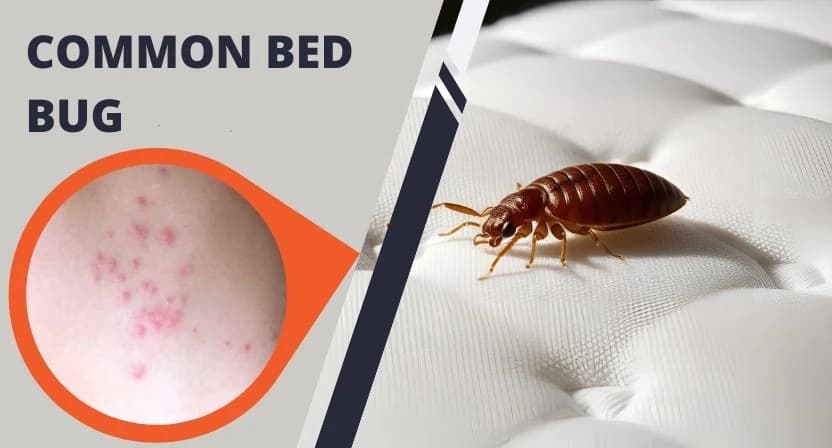
Understanding the bed bug lifecycle is the key to understanding why they are so notoriously difficult to eliminate. Each stage of their development presents unique challenges for treatment, and a strategy that targets only adult bugs will fail every time.
This guide walks through each stage of the bed bug lifecycle, explains why it matters for treatment, and describes how professional pest controllers use this knowledge to achieve complete eradication.
Published: · Updated:
Bed Bug Eggs: The Hidden Problem
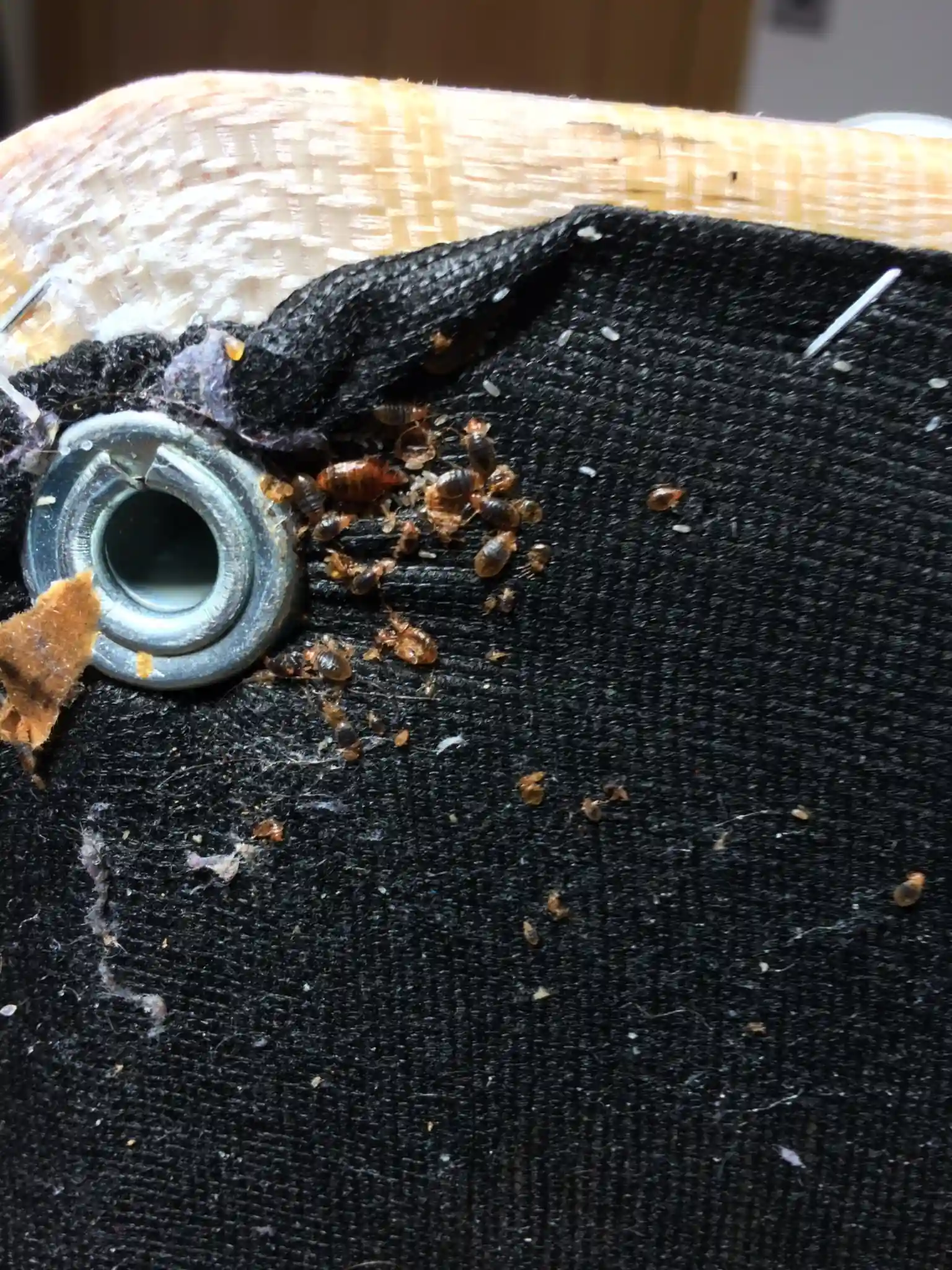
A fertilised female bed bug lays between three and five eggs per day, depositing them in cracks, seams, and crevices close to the host's sleeping area. Over her lifetime she can produce up to 500 eggs. The eggs are about 1mm long, pearl-white, and coated with a sticky substance that glues them to surfaces.
Eggs are one of the hardest life stages to kill. They are resistant to many insecticides because the shell protects the developing embryo. This is why professional treatments rely on residual insecticides that remain active for weeks — when the nymph hatches and crawls over the treated surface, it picks up the product and dies.
Under typical indoor temperatures (around 20–25°C), eggs hatch in 7 to 10 days. In cooler conditions they take longer, but they do not die — they simply develop more slowly. This resilience is why a single treatment visit is rarely sufficient.
Nymphs: Five Stages of Growth
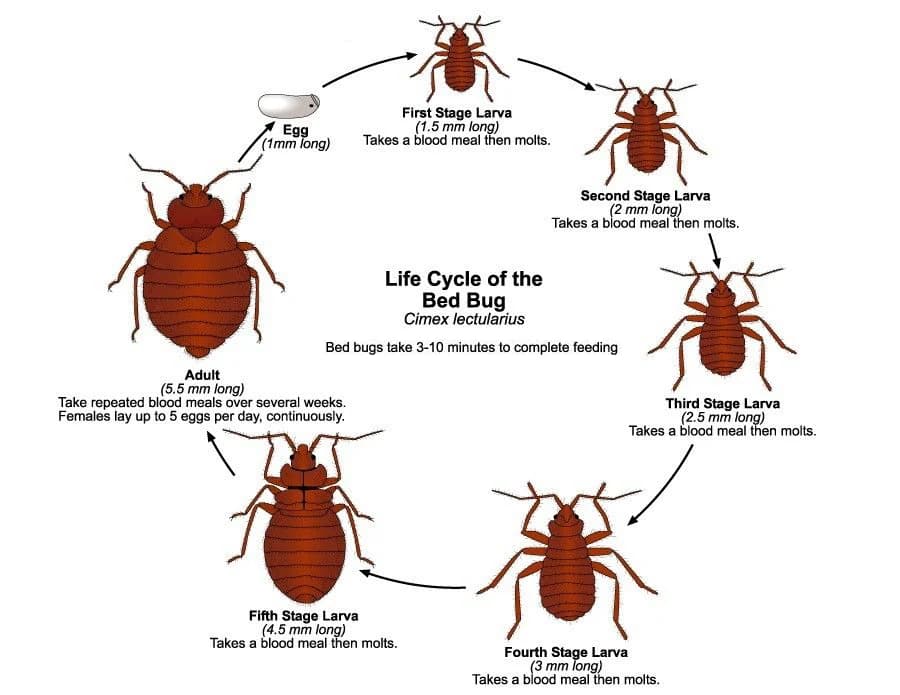
After hatching, a bed bug passes through five nymphal stages (known as instars) before reaching adulthood. Each instar must take at least one blood meal before it can moult to the next stage. The entire nymphal development period takes approximately five to eight weeks under favourable conditions.
First-instar nymphs are tiny (1.5mm), translucent, and almost invisible on light-coloured bedding. After their first blood meal they turn bright red, making them easier to spot. With each successive moult they grow larger and darker, gradually resembling the adult form.
Nymphs are just as dependent on blood meals as adults, and they feed using the same mechanism — piercing the skin with their mouthparts and withdrawing blood over 5 to 10 minutes. A missed blood meal delays moulting but does not kill the nymph; they can survive weeks between feeds.
Adults: Feeding and Reproduction
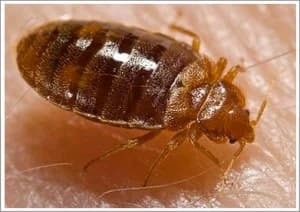
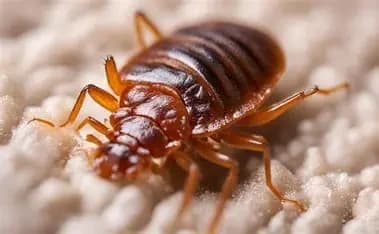
Adult bed bugs are approximately 5mm long, oval, and reddish-brown. They feed every 5 to 10 days under normal conditions, typically at night when the host is asleep. A feeding session lasts 5 to 10 minutes, after which the bug retreats to its harbourage point to digest.
Reproduction occurs through a process called traumatic insemination — the male pierces the female's abdomen to deposit sperm. This unusual method means females can begin producing fertilised eggs after a single mating event, which is one reason why a single hitchhiking female can start an entirely new infestation.
Adults can survive for 4 to 6 months without feeding under typical indoor conditions, and even longer in cooler environments. This remarkable starvation tolerance means that leaving a property vacant for a few months is not a reliable way to eliminate bed bugs.
Need professional help with bed bug removal? BuzzKill Pest Control offers fast, effective treatment with no call-out charge.
Why One Treatment Is Never Enough
The bed bug lifecycle creates a treatment gap that one-off approaches cannot bridge. Eggs present at the time of treatment are shielded by their protective shell and will hatch into unaffected nymphs within days.
This is why professional treatments use residual insecticides — products that remain active on surfaces for weeks after application. As newly hatched nymphs crawl over treated surfaces looking for a blood meal, they absorb the insecticide and die. Follow-up treatments 14 days later provide a second layer of protection.
DIY sprays typically lack sufficient residual activity, which is a major reason they fail. Even if a DIY product kills every adult and nymph present at the time of application, eggs will hatch within days and the infestation rebounds.
For a step-by-step removal plan that accounts for the full lifecycle, see our guide to getting rid of bed bugs. If you are unsure whether you have an active infestation, start with our signs of bed bugs guide. For an honest assessment of DIY approaches, read our bed bug home remedies article.
Frequently Asked Questions
How long do bed bugs live?
Adult bed bugs typically live 4 to 6 months, but can survive up to a year in cooler conditions with limited feeding. Their total lifespan from egg to death of the adult is roughly 6 to 12 months depending on temperature and food availability.
How long can bed bugs survive without feeding?
Adult bed bugs can survive 4 to 6 months without a blood meal at room temperature. In cooler environments, survival times can extend even longer. Nymphs can survive several weeks without feeding. This is why vacating a property does not reliably eliminate bed bugs.
How fast do bed bugs multiply?
A single female lays 3 to 5 eggs per day and can produce up to 500 in her lifetime. Nymphs reach adulthood in 5 to 8 weeks and begin reproducing immediately. This compounding effect means a handful of bed bugs can grow to hundreds within two to three months.
Can bed bugs reproduce without feeding?
No. Females must feed regularly to produce eggs, and nymphs must feed to moult to the next life stage. However, a single blood meal can fuel egg production for several days, so even infrequent feeding supports reproduction.
Professional Bed Bug Removal Service
Learn more about our bed bug removal service, pricing, treatment methods, and customer reviews.
View Bed Bug Removal Service