
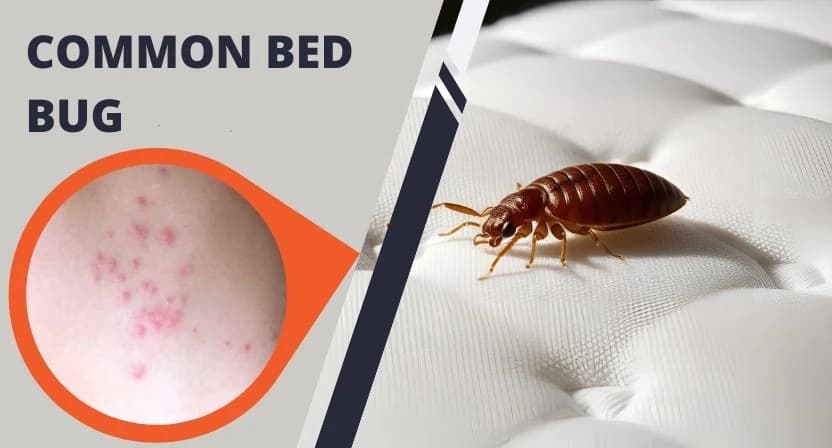
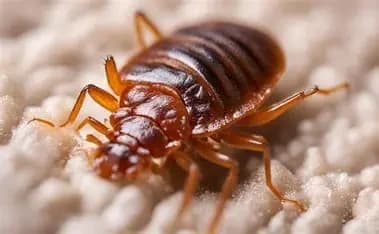
Prevention is the most effective bed bug strategy. Treating an established infestation is costly, stressful, and time-consuming, while the steps needed to prevent one in the first place are straightforward and cost nothing.
This guide covers the most effective prevention strategies — from protecting yourself while travelling and buying second-hand furniture safely, to early detection methods and building-level precautions for flats and shared housing.
Published: · Updated:
Travel Precautions
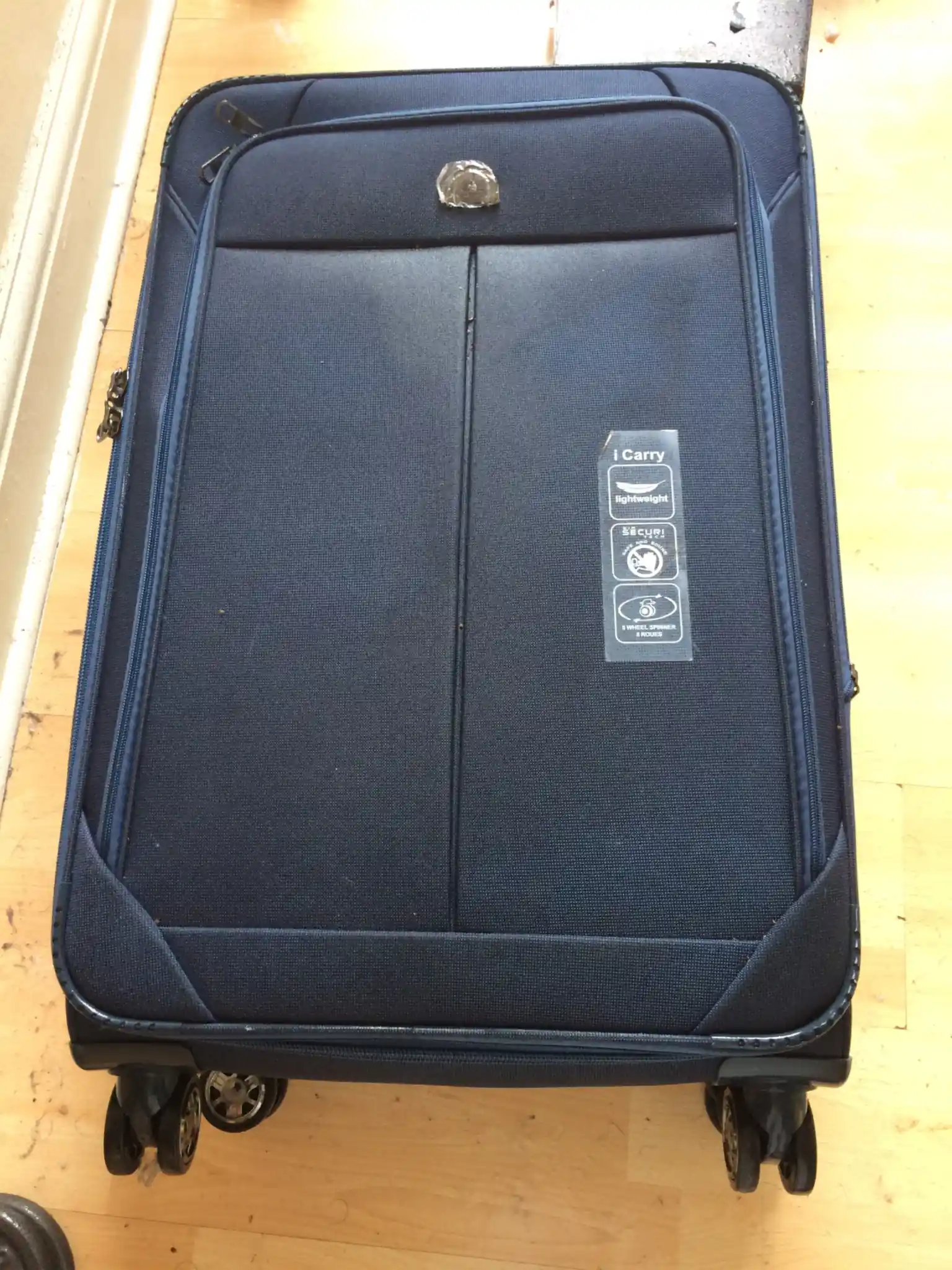
Hotels are the single most common source of bed bug introductions. When you arrive at any accommodation, inspect the bed before unpacking. Pull back the sheets and check the mattress seams, piping, and corners for live bugs, shed skins, fecal spotting, and blood stains.
Check behind the headboard if it can be pulled away from the wall. Inspect the luggage rack and the inside of bedside table drawers. These checks take less than five minutes and can save you weeks of dealing with an infestation at home.
Keep your luggage on hard surfaces away from the bed — the bathroom or a tiled floor is ideal. Never place your suitcase on the bed or on upholstered furniture. When you return home, unpack directly into a hot wash and store your suitcase in a garage or shed rather than in a bedroom.
Second-Hand Furniture Safety
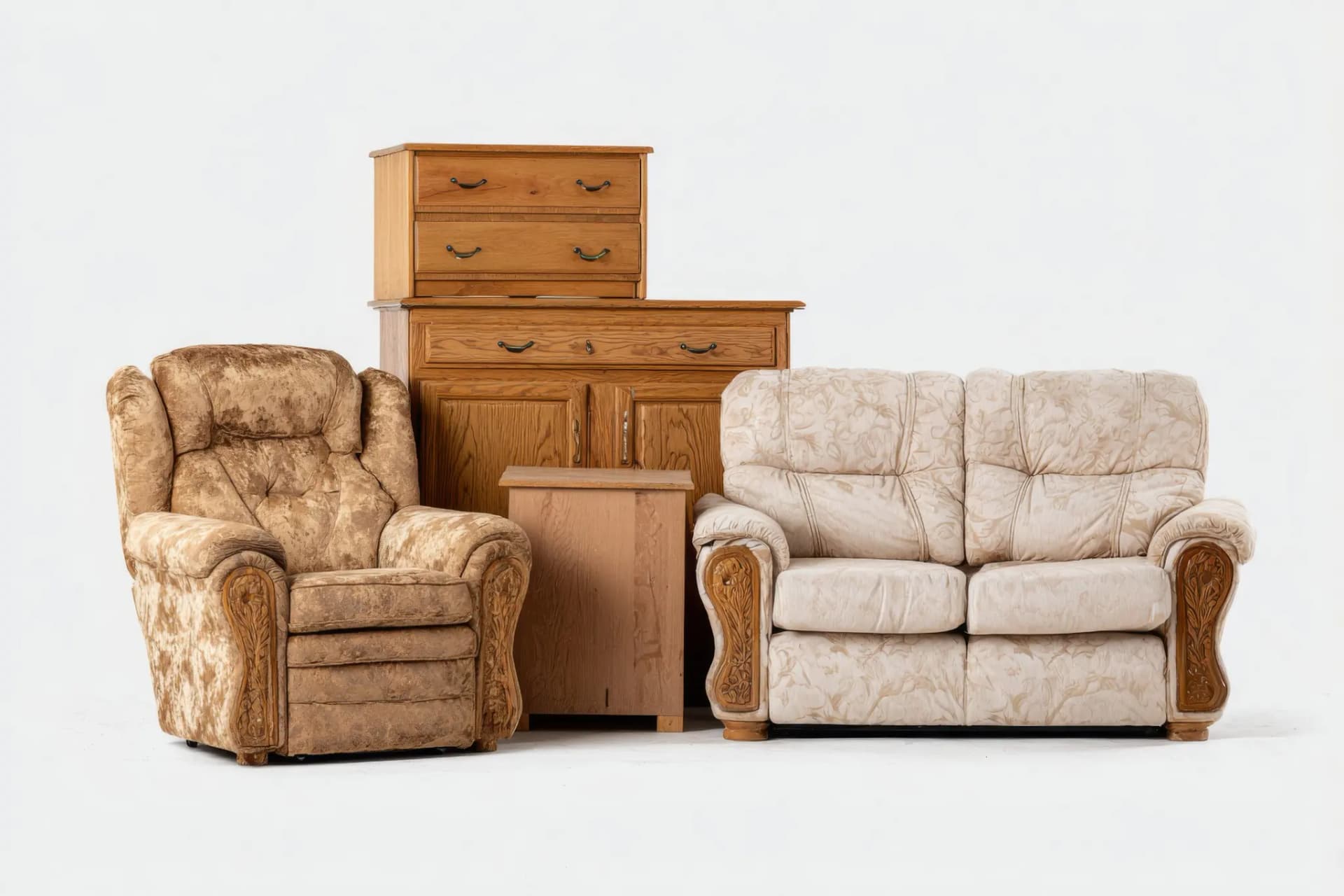
Second-hand mattresses, bed frames, sofas, and wardrobes are common sources of bed bug introduction. Before bringing any used furniture into your home, inspect it thoroughly for signs of bed bugs — check all seams, joints, screw holes, and crevices.
Be particularly cautious with upholstered items. Sofas with removable cushions should be stripped down and inspected underneath. Wooden bed frames should be examined at every joint and in all screw holes. If in doubt, do not bring the item home.
Items acquired from skips, house clearances, and online marketplaces carry the highest risk. Even items left outside for collection 'in good condition' may have been discarded because of a bed bug problem that the previous owner did not disclose.
How to Protect Your Home from Bed Bugs
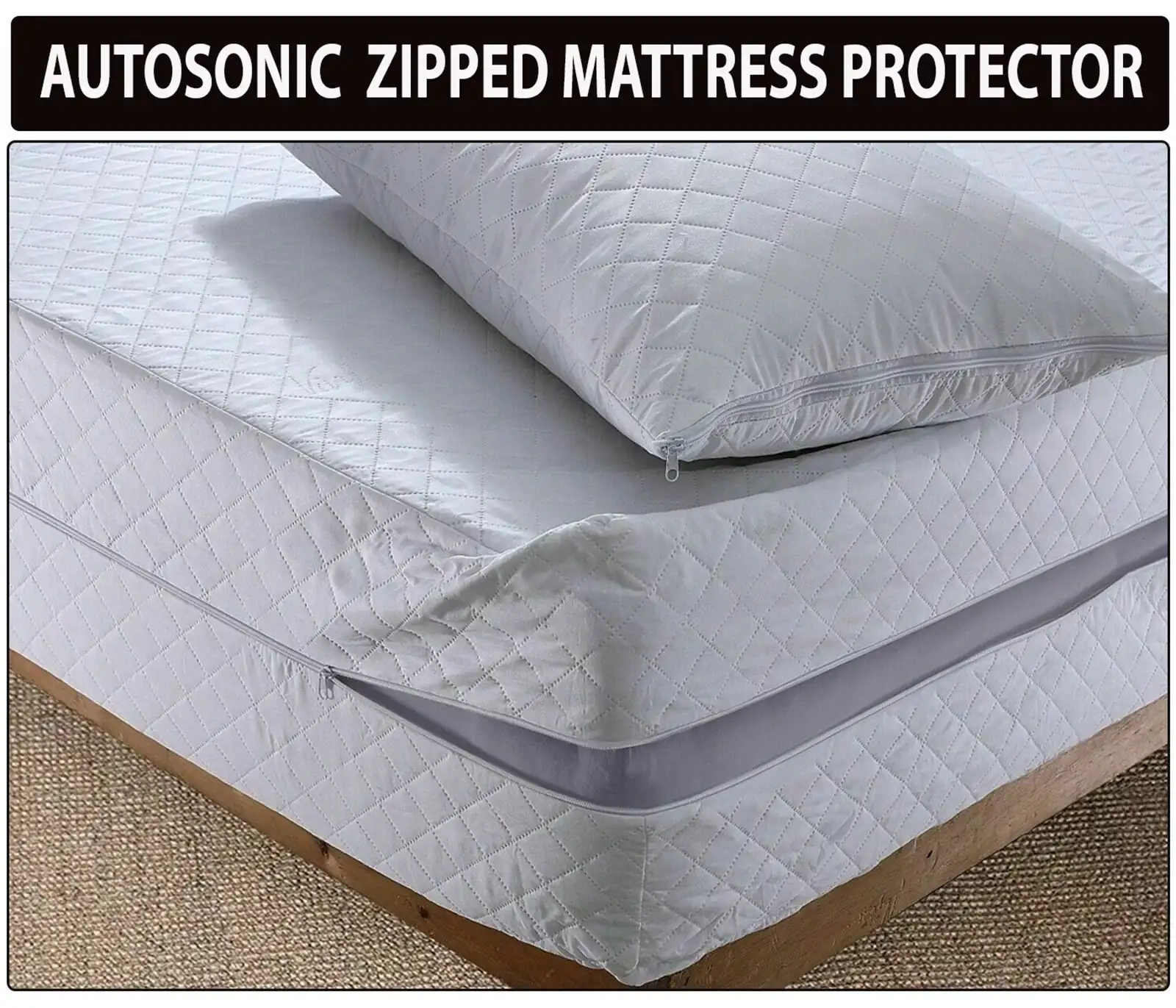
Mattress and pillow encasements are a simple and effective preventative measure. These zippered covers encase the entire mattress, eliminating potential hiding spots and making any future bed bugs immediately visible against the light-coloured fabric.
Reduce clutter in bedrooms, particularly under and around the bed. Bed bugs thrive in cluttered environments because the more hiding spots available, the harder they are to detect and the more likely they are to go unnoticed for longer.
If you share walls with neighbouring properties, a weekend spent proofing your home pays for itself many times over. Walk each room with a torch and seal any gap wider than a credit card with silicone or decorator's caulk — focus on areas where pipes or cables enter, the perimeter of skirting boards, and around electrical back-boxes.
Need professional help with bed bug removal? BuzzKill Pest Control offers fast, effective treatment with no call-out charge.
How to Detect Bed Bugs Early

Regular mattress inspection is the best early warning system. Once a month, pull back your bedding and check the mattress seams and piping for signs of bed bugs. This takes just a few minutes and catches problems before they escalate.
Bed bug interceptor traps placed under the legs of your bed frame can detect low-level activity. These simple cup-shaped devices trap bed bugs as they climb up to reach you, providing early evidence of a problem before bites and other signs become obvious.
Be alert to unexplained bites, particularly after returning from travel or receiving guests. If you wake up with bites that were not there when you went to bed — especially in lines or clusters on exposed skin — investigate immediately.
Prevention in Flats and Shared Housing

Multi-occupancy buildings are the highest-risk environment for bed bug spread. A confirmed infestation in one flat should be treated as a potential problem for the entire building — bed bugs are small enough to pass through structural gaps that are invisible to residents.
If you live in a flat, communicate with your managing agent or landlord about any pest concerns. Encourage a building-wide inspection if bed bugs are confirmed in any unit. Treatment of one flat alone often fails because bugs re-enter from untreated neighbouring units.
Student housing and HMOs present particular challenges due to high resident turnover and shared furniture. If you are moving into shared accommodation, inspect your room before settling in and report any concerns immediately.
If prevention has not been enough and you suspect an infestation, our signs of bed bugs guide will help you confirm. For step-by-step removal advice, see our guide to getting rid of bed bugs. Before trying DIY methods, read our honest assessment of bed bug home remedies.
Frequently Asked Questions
Can bed bugs be completely prevented?
While no method guarantees 100% prevention, the combination of travel precautions, furniture inspection, mattress encasements, regular monitoring, and prompt action at the first sign of activity reduces your risk dramatically.
Do bed bug mattress covers actually work?
Yes. Quality mattress encasements eliminate the mattress as a hiding spot, make bed bugs easier to detect, and protect the mattress from becoming infested. They must be kept zipped and intact to remain effective.
Should I worry about bed bugs in an Airbnb?
Treat any rental accommodation the same way you would a hotel. Inspect the mattress and headboard before unpacking, keep luggage on hard surfaces, and report any signs to the host immediately.
Can I bring bed bugs home from public transport?
It is possible but uncommon. Bed bugs can be present on upholstered seats on buses, trains, and in cinemas. The risk from a short journey is very low, but regular commuters on heavily used routes should be aware of the possibility.
Professional Bed Bug Removal Service
Learn more about our bed bug removal service, pricing, treatment methods, and customer reviews.
View Bed Bug Removal Service