
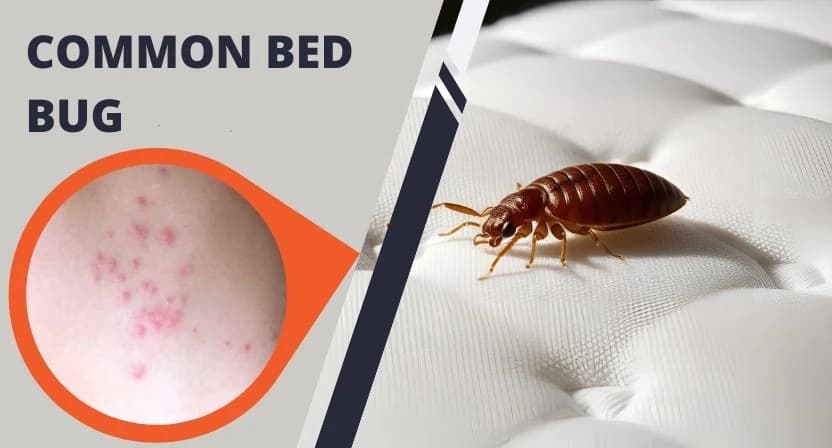

Discovering bed bugs in your home is deeply unsettling, but with the right approach they can be completely eliminated. The key is understanding exactly where bed bugs hide in each room, how they spread through your property, and how to prepare effectively for professional treatment.
This room-by-room guide explains how bed bugs enter your home, their preferred hiding spots in each area, and the most effective treatment and prevention strategies to ensure they do not return.
Published: · Updated:
How Bed Bugs Enter Your Home
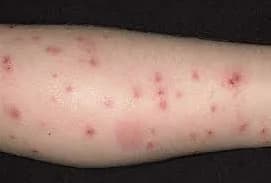
The most common route for bed bugs entering a UK home is via travel. Hotels, hostels, trains, coaches, and aeroplanes can all expose your luggage and clothing to bed bugs. A single bug hitchhiking in the seam of a suitcase can start an entire infestation.
Second-hand furniture is another major source. Mattresses, bed frames, sofas, and wardrobes bought from charity shops, online marketplaces, or skip collections can harbour bed bugs and their eggs in joints, seams, and crevices.
If you live in a flat or terraced house, bed bugs can arrive from a neighbouring property — they are small enough to pass through gaps you would never notice. Sealing around shared walls and pipework with silicone reduces this risk, but if a neighbour has an untreated infestation, building-wide coordination is usually needed.
Bedrooms: The Primary Harbourage
The bedroom — specifically the bed itself — is always the epicentre of a bed bug infestation. Bed bugs stay as close to their host as possible, hiding during the day within a few metres of where you sleep.
Inspect the mattress first: every seam, fold, handle, label, and the piping around the edge. Check the bed frame joints, slat holders, screw holes, and any cracks in wooden frames. Upholstered headboards are a particular favourite — check behind the fabric, along the top edge, and where the headboard meets the wall.
Beyond the bed, check bedside tables (especially the insides of drawers), behind picture frames, along skirting boards, inside electrical sockets, and within the folds of curtains closest to the bed.
Bed Bugs in Your Living Room and Lounge
In moderate to severe infestations, bed bugs spread from the bedroom to the living room, particularly if family members nap on the sofa or spend extended sedentary time in armchairs.
Sofas and armchairs provide excellent harbourage — check underneath cushions, along seams, in the frame joints, and underneath the furniture. Reclining sofas and sofa beds are particularly vulnerable because they have many more crevices and joints than standard furniture.
Other living room hiding spots include behind TV units (bed bugs are attracted to the warmth), inside bookcases, along curtain hems, and within the weave of rugs placed over hard floors.
Bed Bugs in Spare Rooms and Guest Bedrooms
Spare bedrooms used infrequently are often where bed bugs are introduced (from guest luggage) and where they go undetected the longest. Because the room is not used regularly, bites and other signs are not noticed.
If you have guests staying and they report bites, inspect the spare room immediately. Check the mattress, bed frame, and surrounding furniture following the same method as the main bedroom. Early detection in a spare room can prevent the infestation from spreading to the rest of the house.
Consider fitting mattress encasements on spare beds as a preventative measure. They make any future bed bug activity immediately visible during routine checks and eliminate the mattress as a potential harbourage point between guest visits.
Need professional help with bed bug removal? BuzzKill Pest Control offers fast, effective treatment with no call-out charge.
How to Prepare Each Room Before Treatment
Your technician needs clear access to every hiding spot, so preparation focuses on exposing surfaces. In each affected bedroom: strip the bed completely, pull it away from the wall, and clear the bedside tables and wardrobe floor. The more access you provide, the more thorough the treatment.
Bag up clothing and soft items room by room in sealed plastic bags — label each bag with the room it came from so nothing is returned to the wrong area. Laundering and heat-drying these items is covered in our removal guide.
Crucially, do not move anything from an affected room to an unaffected room. If you are unsure which rooms are affected, treat every bedroom as potentially infested and prepare them all. Your technician will confirm the scope on arrival.
Living in Your Home During and After Treatment
You can continue using your home normally during treatment — there is no need to vacate the property. The treated rooms need a few hours for surfaces to dry, after which you can replace bedding and sleep as usual. Children and pets should stay off treated surfaces until dry.
The most important aftercare rule is to leave treated surfaces alone. Avoid mopping, vacuuming treated areas, or wiping down bed frames for the period your technician specifies. Light vacuuming of floors (not treated surfaces) is fine after two weeks.
Fit mattress encasements on all beds once treatment is complete. These trap any remaining bugs inside and make future monitoring simple — a monthly check of the encasement surface takes seconds and will catch any re-introduction early.
For long-term strategies including travel precautions and second-hand furniture safety, see our preventing bed bug infestations guide.
Frequently Asked Questions
Can bed bugs live in rooms other than the bedroom?
Yes. While the bedroom is always the primary site, bed bugs will spread to living rooms, spare bedrooms, and any room where people sit or sleep for extended periods. In severe infestations, they can be found throughout the property.
Do bed bugs live in hard-floored rooms?
Bed bugs prefer to hide in cracks, crevices, and fabric rather than on open floor surfaces. Hard-floored rooms are lower risk, but bed bugs can still hide in skirting boards, electrical sockets, furniture joints, and in any rugs or soft furnishings present.
Is it safe to sleep in the room after bed bug treatment?
Yes — once treated surfaces have dried (typically 4 to 6 hours), the room is safe for normal use. Continuing to sleep there is actually recommended because it helps draw remaining bugs onto treated surfaces, speeding up elimination.
How do I stop bed bugs spreading from a neighbouring flat?
Seal gaps around shared walls, pipes, and electrical conduits. Use mattress encasements. Report the issue to your landlord or managing agent — coordinated treatment of the building is the most effective solution.
What should I NOT do before bed bug treatment?
Do not apply any DIY sprays, powders, or foggers — these can scatter bed bugs to new areas and interfere with professional products. Do not throw away your mattress (professional treatment can save it). Do not rearrange furniture between rooms. Focus only on the preparation steps your technician provides.
Professional Bed Bug Removal Service
Learn more about our bed bug removal service, pricing, treatment methods, and customer reviews.
View Bed Bug Removal Service