
If you’ve searched for commercial pest compliance food premises UK, you need to know what your café, restaurant or takeaway must do. I’ll walk you through the legal baseline, the physical checks and the records that help demonstrate effective pest management.
Your business needs adequate pest controls, safe food-handling conditions and a food safety management system that addresses relevant hazards. A contractor’s visit is one part of that work; daily housekeeping, building repairs and staff responses need their own attention.
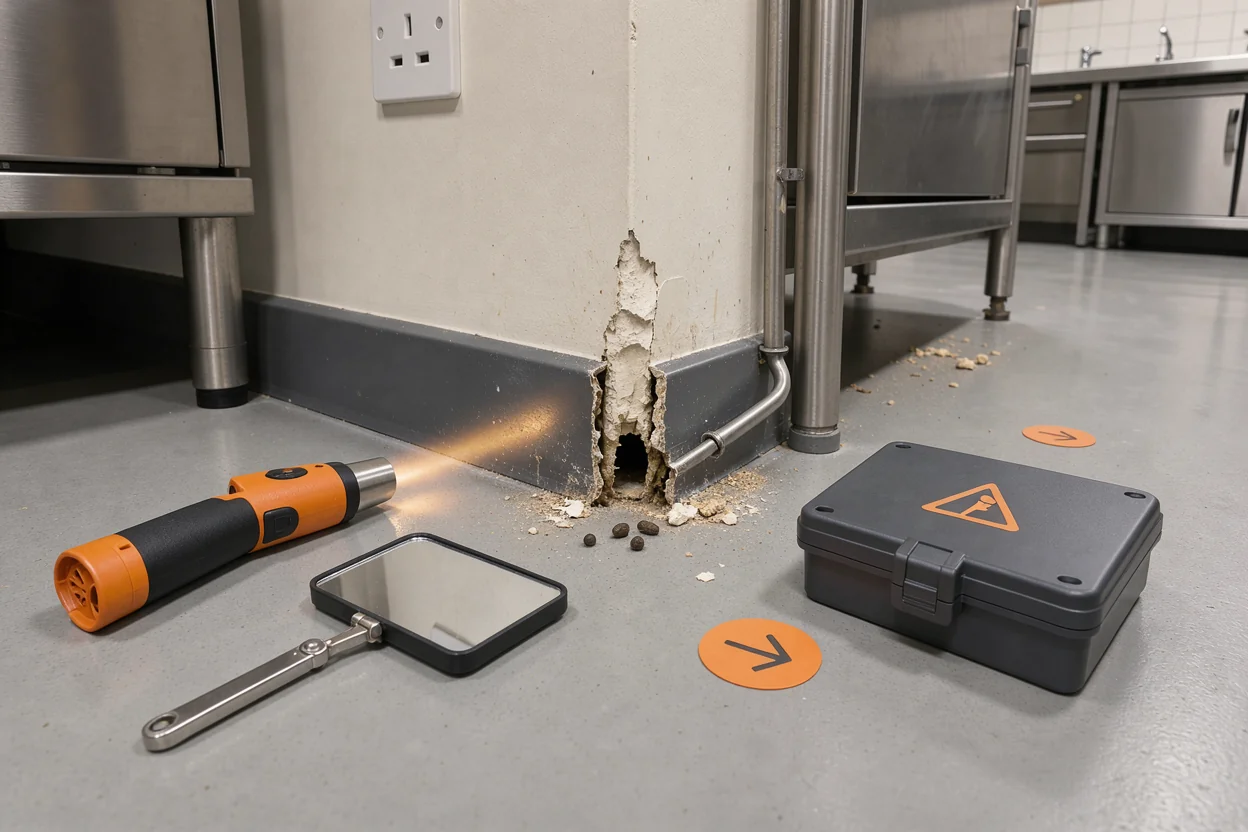
Allow 30–60 minutes for an initial walk-round, followed by time to review reports and arrange repairs. Take a torch, phone or camera, your premises plan and the current food safety file; inspect safely without moving heavy equipment or opening drains.
This checklist focuses on London premises and England’s enforcement framework. Other UK nations have their own enforcement arrangements, so check the requirements applicable to your site.
A clear check means the area has no visible pest evidence, food is protected and the relevant controls work at the time inspected. Record any uncertainty or inaccessible space rather than treating it as clear.
Start with the food safety file and the person responsible
Food-premises pest compliance starts with a system your team can follow, including when the usual manager is away.
1. Confirm that pest control sits within your food safety procedures
The Food Safety Act 1990 forms part of the wider food safety framework. For London businesses, the Food Safety and Hygiene (England) Regulations 2013 provide the food hygiene enforcement framework.
The hygiene requirements in Regulation (EC) No 852/2004 include adequate procedures to control pests. Food businesses must also maintain food safety procedures based on HACCP, meaning hazard analysis and critical control points: identifying food safety hazards and deciding how to control them.
Check that your written system addresses pest access, monitoring and the response to sightings. Pest prevention will commonly sit within supporting hygiene procedures, rather than being a separate critical control point.
A satisfactory result is a procedure staff can locate and explain. If the file only contains a contractor’s invoice, add the missing instructions for checks, reporting and protecting food.
2. Name the person who handles findings and repairs
Choose someone who can act on a sighting, arrange treatment and follow up building defects. Name a deputy for evenings, weekends and absences.
Check how responsibilities are divided between your business, landlord, managing agent and contractor. Shared bin stores, service ducts and neighbouring units need particular attention because a repair may involve several parties.
A clear arrangement identifies who receives reports, who authorises work and who confirms completion. Give staff one reporting route so evidence doesn’t remain in a group chat nobody reviews.
If BuzzKill Pest Control carries out your survey, ask for findings to identify the affected areas and recommended actions. You can also review pest controller credentials when choosing a contractor.
Record qualifications and scope of work separately from your own daily responsibilities.
3. Set checks that match the premises and its activity
Your inspection routine should reflect the food you handle, the building and previous pest findings. A busy takeaway with frequent deliveries needs checks that account for those movements.
Include opening checks, delivery inspections and a review of waste areas. Decide who checks quieter spaces such as cellar stores, unused cupboards and service corridors.
A working routine names the locations, responsible staff and reporting method. Explain what they should look for, including droppings, gnawed packaging, insects, damaged seals and unexplained spillages.
When checks repeatedly identify the same problem, change the control or investigate its cause. Increasing the number of ticked boxes won’t repair a door gap.
Agree contractor visit frequency against the site’s risk and findings, and review it when activity or the building changes.
Walk the outside edge, doors and drainage
The outside inspection should identify how pests could reach your food business and which defects need repair.
4. Check doors, shutters and accessible external openings
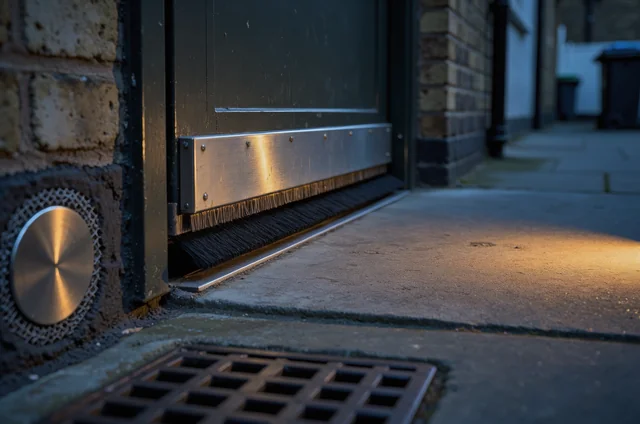
Start at delivery doors, rear exits and shutters. Look along the bottom and sides, then check whether each opening closes properly after use.
Inspect accessible vents, screens and gaps around frames. A door can look sound while a damaged seal leaves an opening beneath it.
A satisfactory check finds intact protection and a practical routine for keeping doors closed. Where a door must remain open for ventilation, consider suitable screening without obstructing required escape routes.
Record damaged seals, loose frames and doors regularly propped open. Allocate the repair or operational change to a named person.
Fresh droppings, gnawing or repeated sightings close to an opening need prompt investigation. Arrange repairs alongside the pest assessment so the access route receives attention during treatment.
5. Follow service pipes into cupboards and food rooms
Check accessible gaps around pipes, cables and fittings, particularly beneath sinks and behind removable cupboard panels. Proofing means closing potential pest entry routes with suitable materials.
Look for loose filler, unfinished penetrations and spaces that connect kitchens to service areas. Don’t disturb electrical fittings or dismantle equipment to inspect a hidden gap.
A clear result is a secure repair that suits the surface, permits cleaning and respects ventilation or fire requirements. The material and installation both matter.
The guide to kitchen cupboard proofing materials can help you understand repair options before discussing the work.
Where evidence suggests pests are using the opening, seek advice before sealing it. Mark inaccessible spaces for assessment rather than assuming the visible edge tells the whole story.
6. Examine accessible drainage and shared building routes
Look around drainage covers, yard gullies and pipework for visible damage or signs of pest activity. Include shared corridors and the boundary between your unit and neighbouring premises.
Keep this inspection above ground. Drain covers, confined spaces and defective pipework need assessment by people equipped for that work.
A satisfactory result has no unexplained opening, visible defect or repeated evidence along the route. Record anything you cannot assess and identify who owns the repair.
If rodent activity continues despite repairs at doors and walls, a drainage investigation may be appropriate. The guide to rat entry through drains explains potential routes.
Give the investigator your sighting locations and dates. That information helps connect building defects with activity inside the premises.
Check deliveries, dry stores and preparation spaces
Food-storage and preparation checks should establish whether stock is protected and whether staff can inspect the spaces around it.
7. Inspect deliveries before moving stock into storage
Check accessible packaging for holes, gnaw marks, droppings or insects. Include reusable crates and the area where deliveries wait before staff put them away.
Look beneath damaged outer packaging without exposing food unnecessarily. Check that whoever receives deliveries knows how to isolate a suspect item and notify the manager.
A satisfactory delivery has sound packaging and no visible pest evidence. Record a problem when discovered, including the supplier, affected product and action taken.
If packaging is damaged or food safety is uncertain, prevent the affected stock from entering normal use while the manager assesses it. Don’t assume that removing an outer carton resolves every concern.
Keep suspect goods separate from usable stock and follow your food safety procedure for rejection, disposal or further assessment.
8. Check dry stores, opened ingredients and stock rotation
Inspect shelving edges, floor junctions and the spaces behind accessible stock. Look for spilt ingredients, damaged sacks and containers that no longer close properly.
Check opened flour, rice, cereals and other dry ingredients according to your storage procedure. Pest evidence may appear in packaging as well as around the room.
A clear store has protected ingredients, manageable stock levels and enough access for inspection and cleaning. Rotation should prevent forgotten goods from remaining behind newer deliveries.
Give cleaning staff access to awkward corners rather than filling every available space with cartons. Record damaged shelving or fittings that prevent effective cleaning.
If evidence appears repeatedly in one product or storage area, identify the affected stock and seek an assessment. Preserve useful photographs and delivery details without retaining unsafe food for routine use.
9. Inspect preparation areas and accessible equipment edges
Use the torch around appliance feet, cupboard bases and floor edges. Pay attention to sheltered spaces near warmth, food residues and water.
Look for live insects, droppings, gnawed materials or repeated sightings during quiet periods. Avoid moving heavy equipment, disturbing gas connections or reaching into machinery.
A satisfactory check finds no visible evidence and confirms that the cleaning schedule covers accessible hidden edges. Areas staff cannot clean safely need a planned method and suitable help.
If pests or fresh signs appear where food is prepared, protect food and stop using the affected space while the manager assesses the risk. Treatment advice should address food, utensils and work surfaces.
Record exactly where evidence appeared. A location such as the left side of the dishwasher is more useful than a general note saying kitchen.
Inspect water, waste and pest-monitoring devices
These checks establish whether daily conditions support prevention and whether monitoring equipment remains useful and safely positioned.
10. Check for leaks and persistent standing water
Look beneath sinks, beside dishwashers and around accessible refrigeration drainage. Check dripping taps, leaking joints and water that remains after cleaning.
A satisfactory result has working drainage and no unexplained persistent moisture. Distinguish a recent cleaning splash from a leak that returns between shifts.
Assign plumbing defects to someone who can arrange the repair. Give the cleaner instructions for safely removing standing water without disturbing equipment or spreading residues.
Recheck after the repair while the appliance or tap is in use. A dry floor before service won’t confirm that a connection remains sound during operation.
Where moisture and insect evidence occur together, record both findings for the pest assessment. Keep the repair date with the sighting record so subsequent checks can show what changed.
11. Inspect indoor bins and the outside waste store
Check that waste containers close, remain sound and can be cleaned. Look beneath bins, around wheel bases and behind containers in shared waste areas.
Review collection arrangements alongside the physical inspection. Overflow, missed collections and bags left outside containers all need a clear response.
A working waste routine prevents unnecessary accumulation and gives staff somewhere suitable to put waste throughout the shift. The closing check should confirm the area has been left as intended.
Food hygiene requirements cover suitable management of food waste and refuse areas through England’s hygiene enforcement regulations.
If a shared store repeatedly attracts pest activity, notify the responsible property manager and retain the report. Arrange local controls while the wider problem is investigated, then recheck your delivery route and rear entrance.
12. Confirm that monitoring devices match the site plan
Check accessible traps, monitoring stations and insect-monitoring equipment against the premises plan. Monitoring devices help detect activity; their usefulness depends on suitable placement and regular inspection.
A clear result means devices are identifiable, accessible to the person responsible and checked as scheduled. Record missing, damaged or moved equipment.
Leave secured stations closed unless checking them is part of your authorised role. Don’t relocate equipment simply because it obstructs a delivery without informing the contractor.
Before treatment, agree precautions for food, work surfaces, utensils and staff access. Get clear instructions about products, placement and any restrictions on using the area.
Avoid improvised spraying or loose poisons in food-handling spaces. Where a device contains evidence, record its identifier and location, then follow the agreed response procedure.
Make visit reports and repairs traceable
The pest file should connect each finding to an action and show whether that action actually happened.
13. Read each visit report for findings and instructions
Check the report promptly after a visit. It should give you enough information to understand the areas assessed, evidence found, work completed and recommended actions.
Look for clear locations and distinguish an inspected area from one the technician could not access. Ask for clarification if a report leaves the practical response uncertain.
A useful report lets the next shift understand what it must do. An invoice showing payment cannot explain which cupboard needs repair or which stock requires assessment.
For a visit by BuzzKill Pest Control, agree who receives the written findings and who passes instructions to staff. Keep treatment information and food-safety precautions accessible to the people affected.
File the report with the actions it generated. If a recommendation remains unresolved, retain its status and responsible person.
14. Give every repair an owner and completion record
Turn recommendations into specific jobs, such as replacing a rear-door seal or repairing a leaking joint. Assign each job to someone with authority to arrange it.
Include the date raised, proposed completion date and any interim protection. Prioritise according to food safety risk and evidence of active pest use.
A completed action has evidence of the work and a check that it addressed the defect. A photograph can document a repair, although awkward or concealed work may need further assessment.
A useful digital checklist would store the location, finding, photograph, action owner and recheck date, while keeping overdue work visible.
Keep promised repairs marked as outstanding until confirmed. If pest evidence continues after completion, reopen the investigation and give the contractor the updated information.
15. Compare sightings across shifts and review the system
Read recent staff logs alongside contractor reports. Look for repeated locations, activity after deliveries or evidence that returns after a repair.
A useful log records the date, time, location and action taken. Include clear checks as well as sightings so the record shows where monitoring happened.
Food businesses must maintain HACCP-based procedures with documentation and records appropriate to their nature and size, within the requirements enforced by the food hygiene regulations. Your records should help demonstrate how controls operate.
Review the system when you change equipment, storage arrangements, delivery routes or the building. Check that new staff understand it too.
Environmental Health Officers, or EHOs, assess food safety during inspections. Keep records available to the manager on duty, including evidence that recommendations have been addressed.
Act on pest evidence during a shift
When a check finds activity, the immediate task is to protect food and establish which operations can safely continue.
16. Isolate the affected area and assess food safety
Tell the responsible manager immediately when you find live pests or fresh evidence in food-storage or handling areas. Record the location and time, with a photograph where safe.
Prevent affected food from entering service while its safety is assessed. Restrict use of equipment or surfaces that may have been exposed, following your written procedure.
A suitable response gives staff clear instructions about stock, access, cleaning and escalation. Simply removing the visible evidence leaves the food-safety assessment unfinished.
Arrange prompt professional assessment where rodents or cockroaches are active around food. Persistent or widespread activity may require a broader restriction on operations and advice from your local authority.
Our article on restaurant closure inspection triggers covers that separate enforcement question. Keep your incident record focused on the evidence and actions at your premises.
17. Confirm what must happen before the area returns to use
Agree the work required with the responsible manager and appropriate advisers. This may include assessing stock, cleaning, treatment, repairs and follow-up inspection.
Keep staff informed about any restrictions during treatment. Reopening an affected space should follow a food-safety decision based on the conditions there.
A satisfactory return-to-use check confirms that required actions are complete, relevant treatment instructions have been followed and the area is suitable for its intended work. Record who made that decision and the supporting information.
If formal restrictions apply, follow the local authority’s requirements before restarting affected operations. A contractor visit alone cannot resolve an outstanding enforcement restriction.
Set a follow-up check for the locations where evidence appeared. Keep monitoring them after normal service resumes, and escalate any recurrence.
Questions food managers ask about pest compliance
These practical questions help distinguish the legal duty from the arrangements you choose to fulfil it.
Does every food business need a pest control contract?
There is no blanket hygiene-law requirement for every café or takeaway to buy a commercial contract. The requirement is to maintain adequate pest controls.
An appropriate contractor can help with assessment, monitoring and treatment, particularly where staff lack the necessary skills. Customer audits, leases or other business arrangements may impose additional conditions.
Check those documents separately and make sure your chosen arrangement addresses the risks at your premises.
How often should staff and contractors inspect?
There is no single visit interval suitable for every food business. Set staff checks and contractor inspections against the site’s risk, previous findings and operating pattern.
Staff can check designated areas at opening, during deliveries and at closing. Agree the contractor schedule with a competent person and reassess it when activity appears or conditions change.
Write the agreed schedule into your procedure so each shift knows what is due.
Do clear traps prove the kitchen is pest-free?
No. Clear monitoring devices are one piece of evidence from a particular place and period.
You still need to inspect food packaging, accessible building gaps, waste areas and preparation spaces. Record inaccessible areas and unresolved repairs alongside the device results.
Continue routine monitoring when checks remain clear; arrange repairs for prevention gaps and same-day professional assessment when fresh rodent or cockroach evidence reaches food-handling areas.

Need professional help? BuzzKill offers fast, reliable pest control services across London and Essex.