
Carpet Beetle Pest Control in Colchester
Carpet Beetle & Woolly Bear Larvae Specialists
Professional Carpet Beetle Treatment in Colchester
Carpet beetles are one of the most destructive textile pests found in Colchester. While the adult beetles are harmless, their larvae (often called 'woolly bears') feed voraciously on natural fibres like wool, silk, fur, and leather.
If you are finding bald patches in your carpets or holes in your clothes, you likely have an infestation. BuzzKill Pest Control's experts in Colchester use targeted insecticidal treatments to eliminate carpet beetles at all life stages, protecting your valuable textiles. Carpet beetles are often found alongside moth infestations, so we check for both during every visit.






Get Rid of Carpet Beetles
Prices from £160 for professional carpet beetle treatment.
To get rid of carpet beetles from your home call 0203 468 1999
How much does carpet beetle treatment cost?
| Carpet beetle treatment (1-2 rooms) | from £160 |
| Whole property treatment (3+ rooms) | from £220 |
| Wardrobe and clothing treatment | from £90 |
| Follow-up treatment (if needed) | from £80 |
Understanding Carpet Beetles
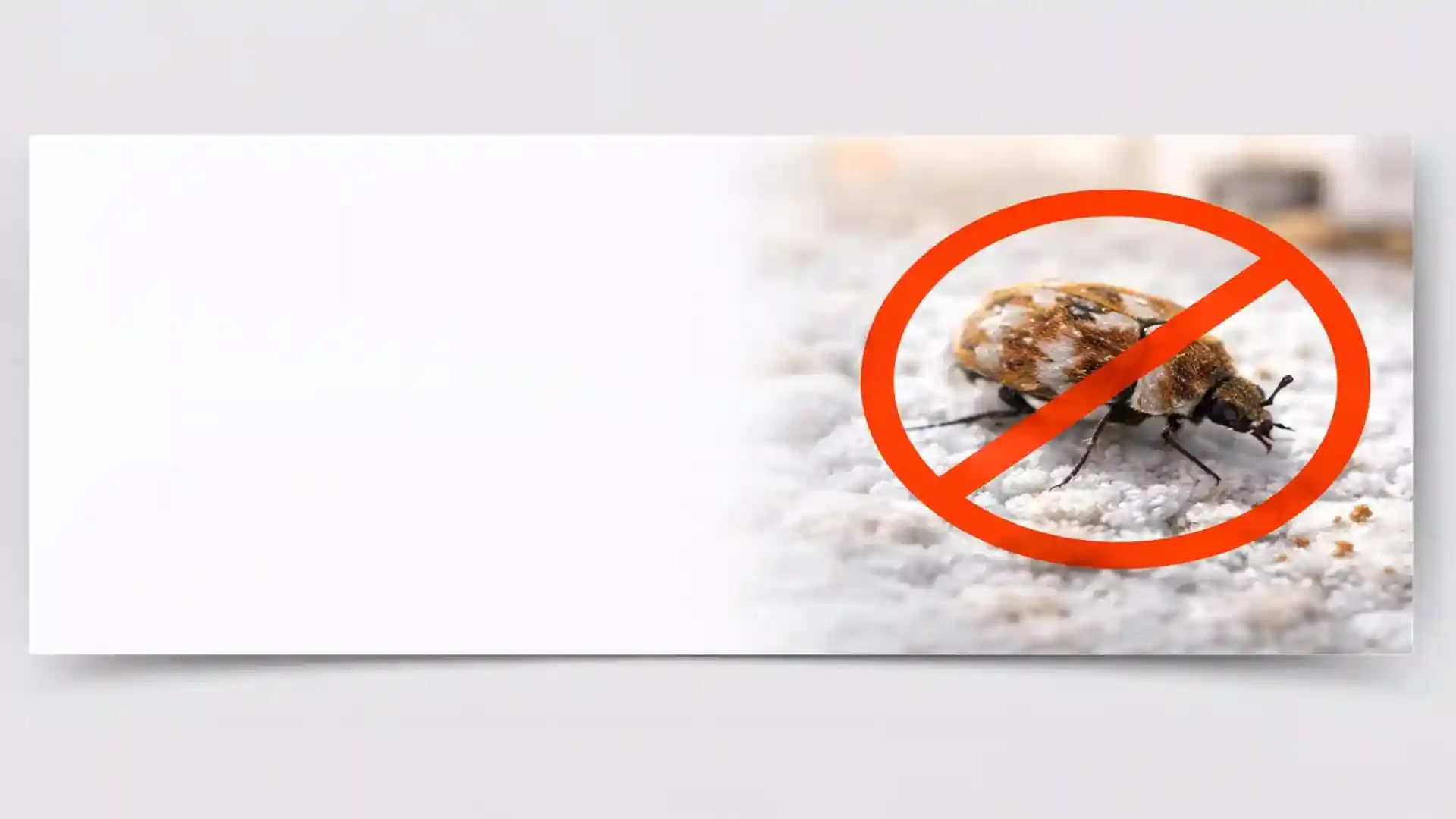
Carpet beetles are a common but often misidentified household pest. The adult beetles are small (2 to 4mm), oval, and mottled brown, grey, and cream. They are harmless — they feed only on pollen and nectar and are typically seen on windowsills in spring as they try to fly outside. It is the larvae that cause all the damage.
The larvae, known as woolly bears, are approximately 4mm long and covered in brown bristly hairs. They feed on any material of animal origin — wool, silk, cashmere, fur, feathers, leather, and dried animal products. They also feed on the pet hair, skin flakes, and lint that naturally accumulate under furniture, along carpet edges, and inside wardrobes.
Adult beetles typically enter homes between April and June, seeking sheltered places to lay eggs. Old bird nests in lofts, eaves, and chimneys are one of the most common sources — the feathers and debris provide an ideal breeding site from which larvae migrate into your living spaces. The lifecycle from egg to adult takes approximately one year, and larvae can survive several months without food, making them extremely persistent once established.
How Our Treatment Works
Our technician will inspect your property to identify the source and extent of the infestation — checking carpets, wardrobes, loft spaces, and any areas where natural fibres are stored. Identifying the source (often a bird nest or forgotten woollen item) is critical to preventing reinfestation.
We apply a professional-grade residual insecticide to all affected areas — carpets, rugs, skirting boards, wardrobe bases, and under furniture. The spray kills larvae on contact and remains active for several weeks, continuing to kill newly hatching larvae as eggs open. For severe infestations, ULV fogging is used to penetrate deep into fabrics and hard-to-reach areas.
After treatment, avoid vacuuming treated surfaces for the first 2 weeks so the residual insecticide remains undisturbed. From week 3 onwards, vacuum all treated areas thoroughly — paying particular attention to carpet edges, under furniture, and along skirting boards — to remove dead larvae and encourage any remaining pupae to hatch and contact the treated surfaces.
Before Your Treatment — What You Need to Do
Proper preparation makes a significant difference to treatment effectiveness. Complete these steps before your technician arrives.
- Vacuum all carpets, rugs, and hard floors thoroughly — especially along edges, under furniture, and in dark undisturbed corners. Empty the vacuum into an outside bin immediately.
- Remove all clothing from affected wardrobes and drawers. Wash everything at 60°C or above where the fabric allows, or dry clean delicate items. Seal clean items in plastic bags until treatment is complete.
- Clear under all beds, sofas, and heavy furniture so the technician can treat every inch of carpet. Larvae concentrate in dark, undisturbed areas beneath furniture.
- Check your loft for old bird nests — these are one of the most common sources. If nests are present, remove them and bag the debris for disposal.
- Cover or remove any fish tanks and cover food preparation surfaces. Keep pets and children out of treated rooms until the spray has dried completely.
After Treatment — Preventing Carpet Beetles Returning
Treatment eliminates the current infestation, but carpet beetles are a recurring risk if the conditions that attracted them are not addressed.
- Vacuum regularly and thoroughly — at least weekly, with extra attention to carpet edges, under furniture, behind curtains, and inside wardrobes. This removes the pet hair, skin flakes, and lint that larvae feed on.
- Remove any old bird nests from your loft, eaves, and chimney pots. Fit mesh over ventilation gaps and soffit openings to prevent birds nesting in future — bird nests are the single biggest source of carpet beetle infestations.
- Wash or dry clean all woollen, silk, and cashmere clothing before storing for the season. Store clean items in sealed plastic bags or airtight containers — not in open wardrobes or drawers.
- Check second-hand clothing, rugs, and furniture for signs of larvae before bringing them into your home. Carpet beetles are commonly introduced on vintage textiles and charity shop purchases.
- Keep windows fitted with fly screens during April to June when adult beetles are most active and seeking places to lay eggs.
Our Happy Carpet Beetle Pest Control Customers
"We noticed bare patches under the sofa. BuzzKill identified carpet beetles immediately and treated all the carpets in the house. Fantastic service."
"Very thorough. They didn't just spray the floors; they checked the wardrobes and gave great advice on storing wool jumpers safely."
"Fast response, no hidden fees, and the technician was incredibly polite. Haven't seen a single woolly bear since the treatment."
Frequently Asked Questions
What do carpet beetles look like?
Adult carpet beetles are small (2 to 4mm), oval-shaped, and have a mottled pattern of brown, grey, and cream scales. The larvae — known as woolly bears — are approximately 4mm long, covered in brown bristly hairs, and tend to roll up when disturbed. It is the larvae that cause all the damage, not the adults.
How do carpet beetles get into my house?
Adult carpet beetles fly in through open windows and doors during spring and early summer (April to June), attracted by light and seeking egg-laying sites. They also enter from old bird nests in your eaves, loft, or chimney — bird nests are one of the most common sources. Once inside, they lay eggs in carpets, under furniture, in wardrobes, and anywhere natural fibres are present.
What do carpet beetles eat?
Adult carpet beetles feed only on pollen and nectar outdoors — they are harmless. The larvae feed on animal-based materials: wool, silk, fur, feathers, leather, and dried animal products. They also feed on pet hair, skin flakes, and lint that accumulates under furniture and along carpet edges.
How long does a carpet beetle infestation last?
The carpet beetle lifecycle takes approximately one year from egg to adult. Larvae can survive starvation for several months, making them extremely persistent. Without treatment, infestations continue indefinitely as new generations hatch and feed on your textiles.
What are the signs of carpet beetles?
Look for well-defined round holes along the seams of clothing or fabric, bald patches on carpets (especially under heavy furniture), shed larval skins that look like tiny brown husks, and the woolly bear larvae themselves — small, hairy grubs found in dark, undisturbed areas.
How much does carpet beetle treatment cost?
Professional carpet beetle treatment at BuzzKill starts from £160, depending on the number of rooms and severity. This includes a full inspection, targeted residual spray treatment, and aftercare advice. We provide free quotes with no call-out charge.
How long does carpet beetle treatment take to work?
The residual spray kills larvae on contact and remains active for several weeks. However, eggs can continue hatching for up to 4 weeks after treatment. Avoid vacuuming treated areas for the first 2 weeks so the insecticide remains effective, then vacuum thoroughly from week 3 onwards to remove dead larvae and hatching pupae.
Can I get rid of carpet beetles myself?
Thorough vacuuming and washing fabrics at 60°C can reduce small populations, but established infestations require professional treatment. Shop-bought sprays do not have the residual potency of commercial-grade insecticides, and the larvae hide deep in carpet fibres and inside wall cavities where consumer products cannot reach.
Related Pest Services
Other common pest problems we treat
Carpet Beetle Pest Control Near Colchester
Carpet Beetle Pest Control services across London & Essex
Can't find your area?
0203 468 1999