
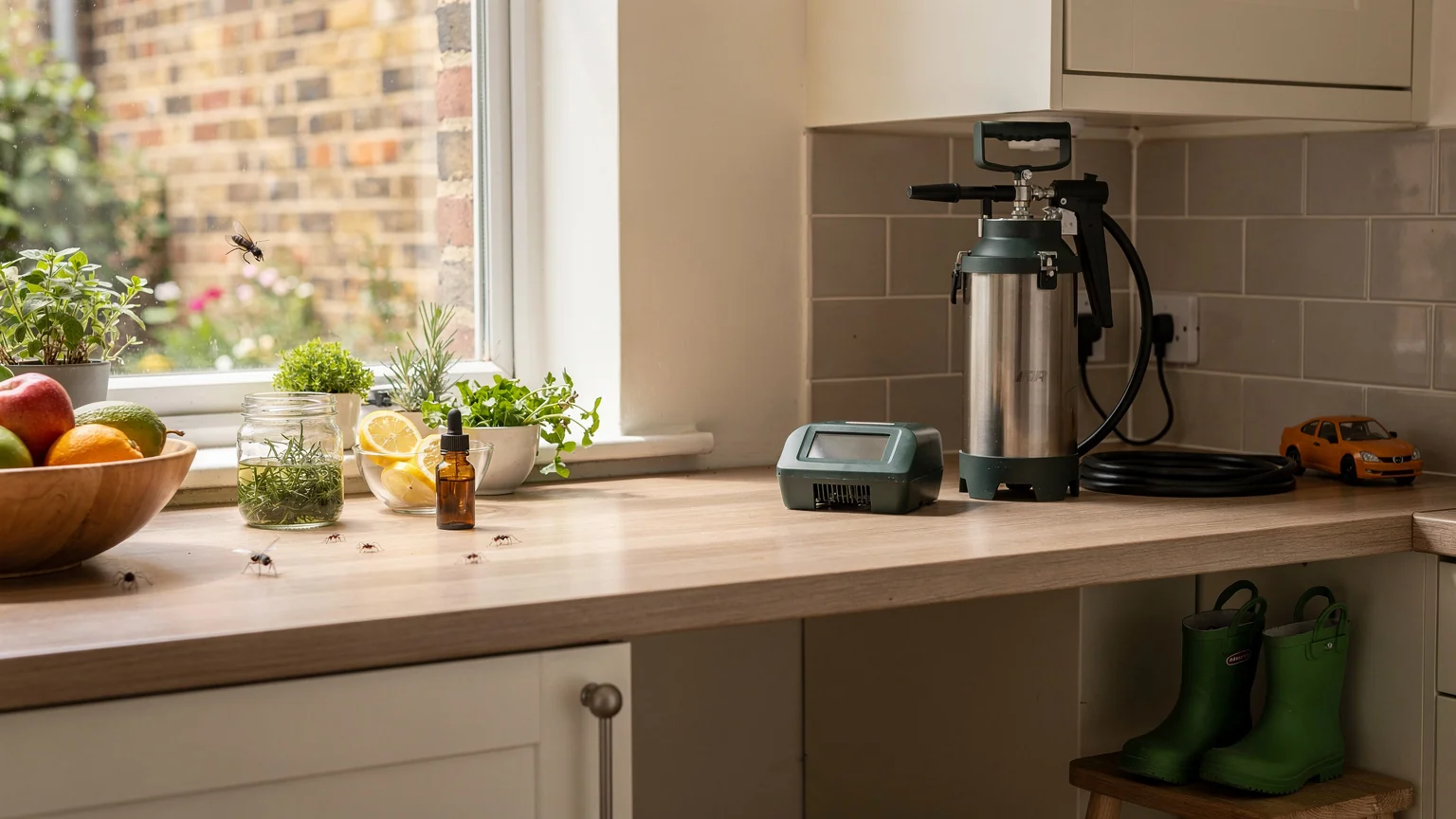
Natural Insect Repellent That Actually Works for Homes With Kids
The false choice parents face is simple: drench your home in synthetic chemicals or let insects win. Most families in Hackney and Tower Hamlets who call our line have already tried at least one shop-bought spray, felt uneasy about the label, and found it barely slowed the ants marching across their kitchen worktop. The hidden third option is to match the repellent type to the pest, the room, and the level of infestation rather than hoping a single bottle solves everything.
What You're Actually Dealing With
Before buying any repellent, identify the insect. Ants leave trails to food sources. Moths flutter from wardrobes at dusk. Fleas jump at ankles after a pet walks past. Cockroaches scatter when you flick on the light at 2am. Each responds to different plant compounds, and none of them care whether your spray claims to be "all natural" on the front label.
Property type matters too. Victorian terraced houses in Islington have gaps under floorboards that modern flats in Stratford do not. Ground-floor gardens in Greenwich back onto fox runs and compost heaps that harbour ticks. A repellent that works in a sealed bathroom fails in a draughty hallway where insects enter freely.
Safety risk is the constraint that shapes every decision here. Children under two have thinner skin and higher metabolic rates. Cats cannot process essential oils through their livers. Pregnant women face guidelines from the NHS that caution against certain plant compounds. The right repellent is the one that repels the target insect without shifting risk onto someone else in the household.
Urgency and recurrence risk complete the picture. A single ant trail after a picnic is different from daily appearances in the pantry. One moth in June is seasonal; ten in November suggests a breeding population in stored textiles. The former suits a repellent. The latter signals that repellents alone will waste time and money.
Citronella: The Familiar Standard
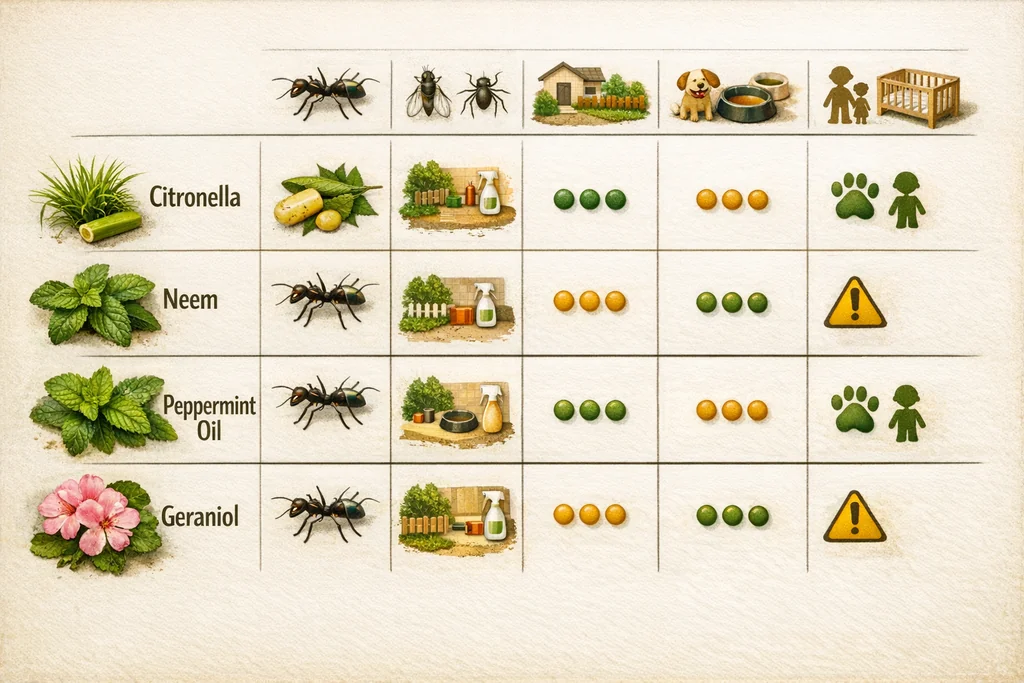
Citronella oil comes from lemongrass varieties, primarily Cymbopogon nardus, and carries ISO 3849:2003 standards for quality grading. It masks the human scent cues that mosquitoes and some flies use to locate targets. The effect is immediate but short-lived, typically one to two hours before reapplication is needed.
Best-fit situation: outdoor patios, garden play areas, and rooms with good airflow where evaporation is not trapped against skin. Families in Lewisham with small paved gardens often find citronella candles sufficient for evening barbecues. The scent disperses across a limited radius, creating a temporary zone of reduced mosquito landings without depositing residue on climbing frames or sandpit edges.
Failure mode: enclosed bedrooms and nurseries. The same volatility that makes citronella smell fresh also means it concentrates in still air, and some children develop skin irritation from repeated contact. It does almost nothing against ants, cockroaches, or fleas. Parents who move a citronella diffuser indoors hoping to solve a multi-pest problem usually report disappointment within a week.
Time window: plan to reapply every 90 minutes in warm weather, sooner if the child sweats. In practice, this means interrupting play to respray wriggling toddlers, or discovering that protection lapsed during the walk home from an East London park.
Cost consequence: low per-bottle outlay but high lifetime cost due to frequent reapplication. A family using citronella daily through a London summer can spend £40-£60 across the season with partial results. The economics worsen when parents buy candles, wristbands, and sprays in combination, each delivering marginal benefit.
Neem: The Systemic Option
Neem oil, pressed from Azadirachta indica seeds, works differently. It does not just repel; it disrupts insect feeding and breeding cycles. Studies from Rothamsted Research and the London School of Hygiene and Tropical Medicine have examined how neem compounds inhibit enzymes in disease-carrying mosquitoes, suggesting broader protective potential than simple scent masking.
Best-fit situation: garden boundaries, pet bedding areas, and early-stage ant trails where interrupting the colony's food chain matters more than instant knockdown. A family in Waltham Forest with a dog that brings fleas indoors might treat the animal's sleeping area with diluted neem while addressing the wider problem. The oil's persistence on fabric makes it suitable for washable pet blankets and outdoor cushion covers.
Failure mode: neem has a strong, bitter odour that children often reject. It stains fabrics yellow-brown. It acts slowly, so an active cockroach population in a Camden kitchen will not be controlled before the insects contaminate food surfaces. The WHO guidelines for repellent efficacy testing emphasise standardised measurement of protection time; neem's variable performance across formulations makes it hard to predict. A parent who applies neem at 8am cannot assume protection through a school day.
Time window: several hours per application on surfaces, but skin application needs renewal every 3-4 hours and careful dilution. Most commercial preparations recommend 1-2% concentration for children's skin, which is weaker than the 5% often used in garden applications. This gap between surface and skin efficacy confuses many buyers.
Cost consequence: moderate bottle cost, but ruined clothing and rejected applications add hidden expense. A single oil stain on a school uniform can exceed the product's purchase price. Parents who factor only the bottle price underestimate true cost by half.
Peppermint Oil: The Interior Perimeter
Peppermint oil targets spiders, ants, and some flying insects through menthol's intense scent disruption. It is the compound most often recommended in online cockroach home remedies and ant deterrent recipes, though its actual knockdown power is limited.
Best-fit situation: window sills, door thresholds, and cupboard interiors where ants establish scent trails. A parent in Barking and Dagenham might trace peppermint oil along the gap beneath a kitchen door where ants enter from a shared garden wall. The strong scent disrupts the pheromone markers that foraging ants follow, causing temporary confusion in the trail without killing the colony.
Failure mode: peppermint oil is toxic to cats and can trigger breathing difficulties in asthmatic children. It evaporates faster than neem, so perimeter treatments need renewal every few days. It does not address established colonies, which is why signs of ant infestations often persist despite repeated peppermint application. The ants simply reroute around the treated strip.
Time window: 2-3 days for surface barriers, under an hour for skin application. Parents who apply peppermint to children's skin hoping for mosquito protection at a Greenwich park event find it dissipates before the picnic is unpacked.
Cost consequence: inexpensive in small quantities, but the volume needed for whole-room treatment makes it less economical than it first appears. A 10ml bottle of essential oil seems cheap until you calculate that treating all ground-floor skirting boards consumes it in two applications.
Geraniol: The Emerging Alternative
Geraniol, a rose-scented compound found in geranium, palmarosa, and citronella oils, has shown repellency against mosquitoes, ticks, and some mites in recent studies. The 2026 research on patchouli-derived formulations with similar terpene structures suggests that well-formulated plant repellents can achieve three-hour protection windows previously associated only with synthetic alternatives.
Best-fit situation: parents seeking a middle ground between citronella's brevity and neem's intensity. Some commercial formulations combine geraniol with fixatives that slow evaporation. Families in Redbridge with garden access and tick concerns find this profile attractive, particularly after the UK Health Security Agency's 2026 report highlighted Lyme disease persistence in England.
Failure mode: limited independent testing against UK pest species. The UK Health Security Agency's 2026 vector-borne disease report notes rising Lyme disease cases, particularly in southern England, but geraniol's tick repellency in British garden conditions is less documented than in laboratory settings. Parents treating children for tick protection after woodland walks in Epping Forest have less certainty than the marketing suggests.
Time window: potentially 2-3 hours in optimised formulations, though standard products vary. Without the fixatives used in research formulations, consumer-grade geraniol sprays may perform closer to citronella's 60-90 minute window.
Cost consequence: premium pricing due to extraction complexity and smaller production scales. A 100ml geraniol-based spray typically costs 40-60% more than an equivalent citronella product, with performance advantages that may not justify the gap for casual garden use.
When Natural Repellents Fail
Plant-based options share a common ceiling. They manage light, localised, or early-stage insect presence. They do not eliminate nests, colonies, or breeding sites. A moth problem in a Haringey wardrobe needs more than lavender sachets if larvae have already damaged woollens. Bed bug home remedies consistently disappoint because the insects hide in mattress seams and electrical outlets where surface sprays never reach.
The failure pattern we see most often: a family tries peppermint for ants, then neem for fleas, then citronella for mosquitoes, accumulating bottles and stress while the underlying problem grows. By the time they call, the ant colony has established satellite nests, or the flea eggs have cycled through three generations in the carpet pile. Each delay expands the treatment area and the disruption to family routine.
Recurrence risk escalates with temperature. London's milder winters mean some insect species breed year-round in heated homes. A cockroach sighting in January is not an isolated event; it signals an established population exploiting central heating. Natural repellents applied seasonally miss this shifted calendar entirely.
Professional intervention becomes necessary when insects appear in spaces where children sleep, eat, or have limited mobility. A toddler in a cot cannot move away from a treated surface. A baby weaning in a high chair cannot avoid ants on the kitchen floor. The safety calculation changes when the vulnerable party cannot remove themselves from the hazard zone.
Provider Profiles
Amerta

Amerta markets an organic spray with more than 92% active ingredient concentration, claiming up to seven hours of protection against mosquitoes, gnats, fleas, and cockroaches. The formulation uses cymbopogon nardus and other natural inputs, positioned for children from twelve months upward.
Nantucket Spider
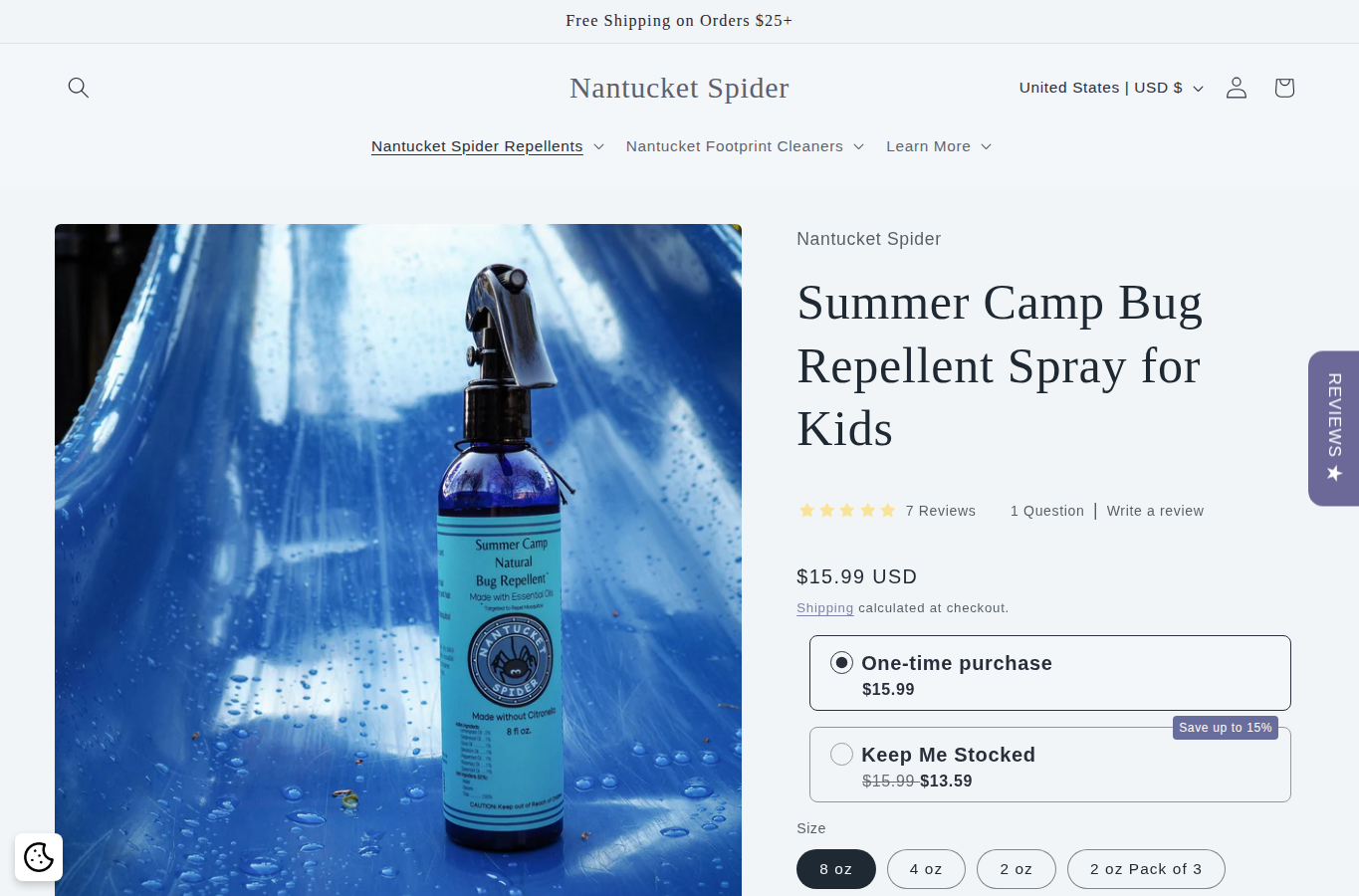
Nantucket Spider offers a citronella-free children's spray tested at 99% effectiveness against mosquitoes in independent evaluation. The water-based formula is designed for clothing and skin application without greasiness, though the company explicitly warns against use on cats.
Wondercide

Wondercide produces a family repellent line in multiple scents, lab-tested against ticks and mosquitoes, with reapplication recommended every hour. The company notes peppermint oil's potential effect on milk production and advises nursing mothers to consult health professionals.
RENATURALS
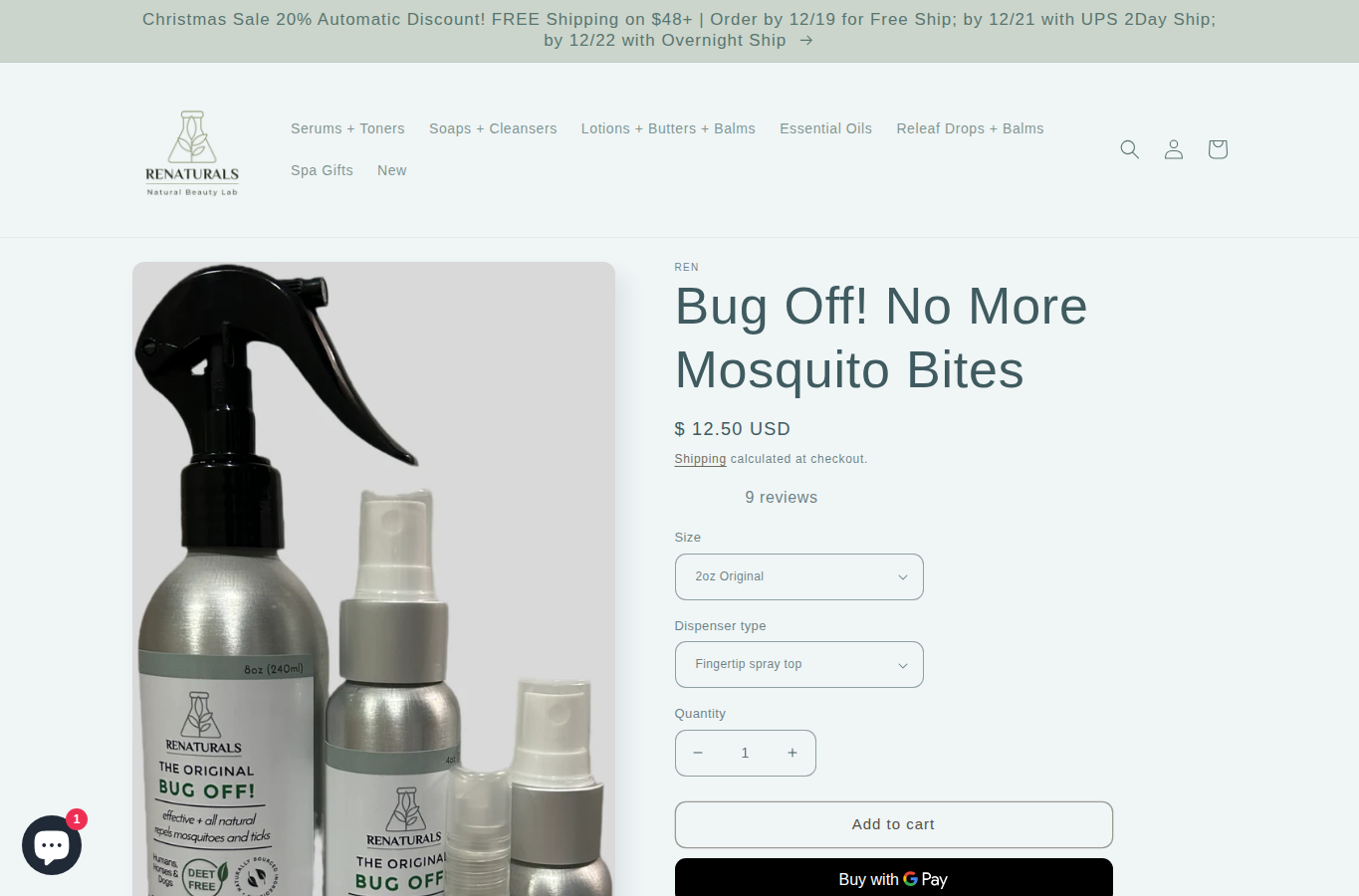
RENATURALS sells a lemon-vanilla scented spray claiming DEET-comparable efficacy based on international studies, with neem oil included for larval-stage control. The product range extends to dog and horse formulations.
TREK by Lemongrass Farms
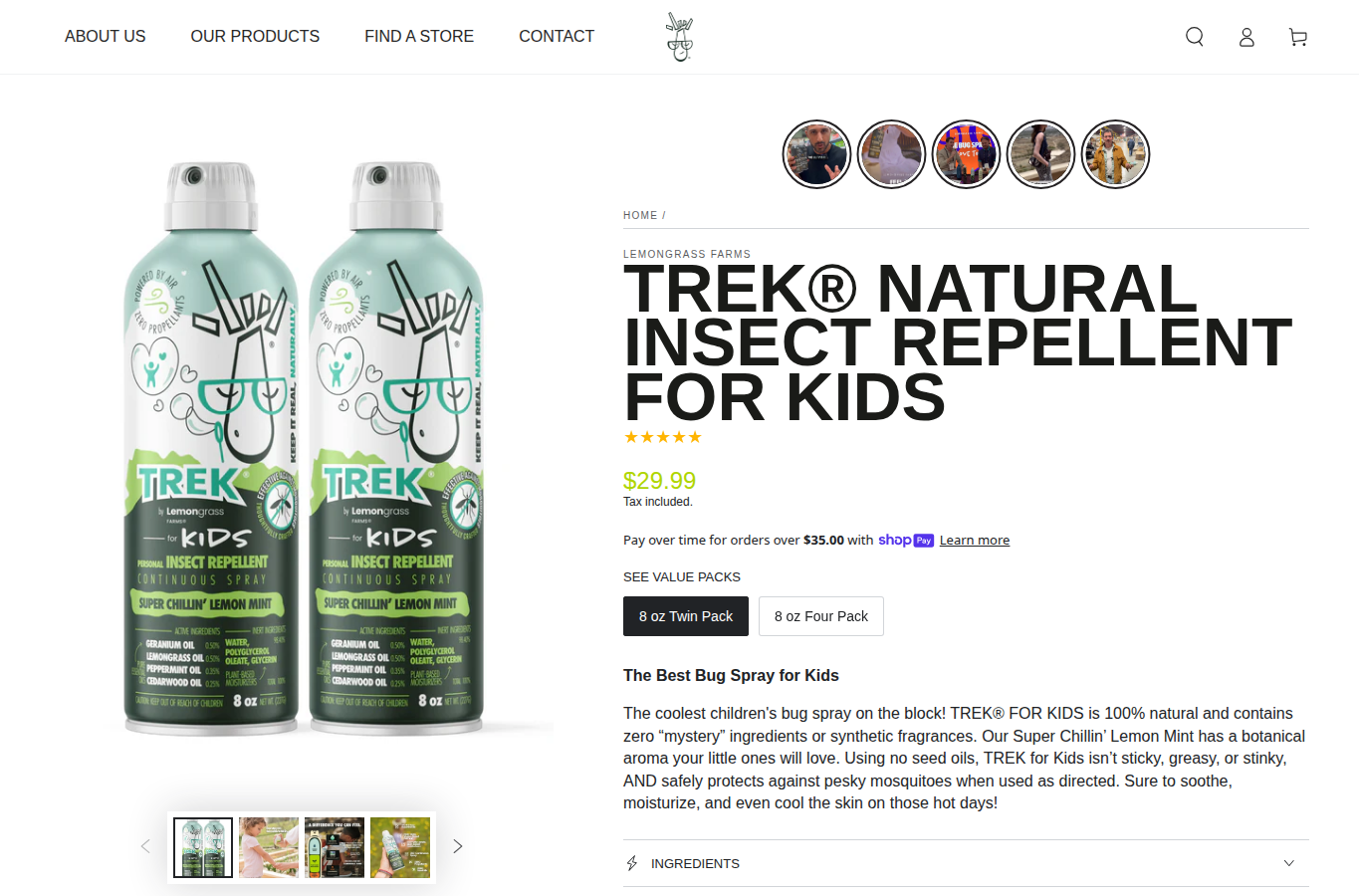
TREK emphasises zero seed oils and non-GMO verification in its children's repellent, with a fast-drying spray format and carbon-neutral packaging claims. The lemon mint scent is marketed as appealing to younger users.
Primally Pure

Primally Pure combines citronella, cedarwood, lemongrass, rosemary, geranium, and peppermint in a DEET-free mosquito repellent with broader insect claims, recommending spot testing for children and sensitive adults.
Boogie and Bean
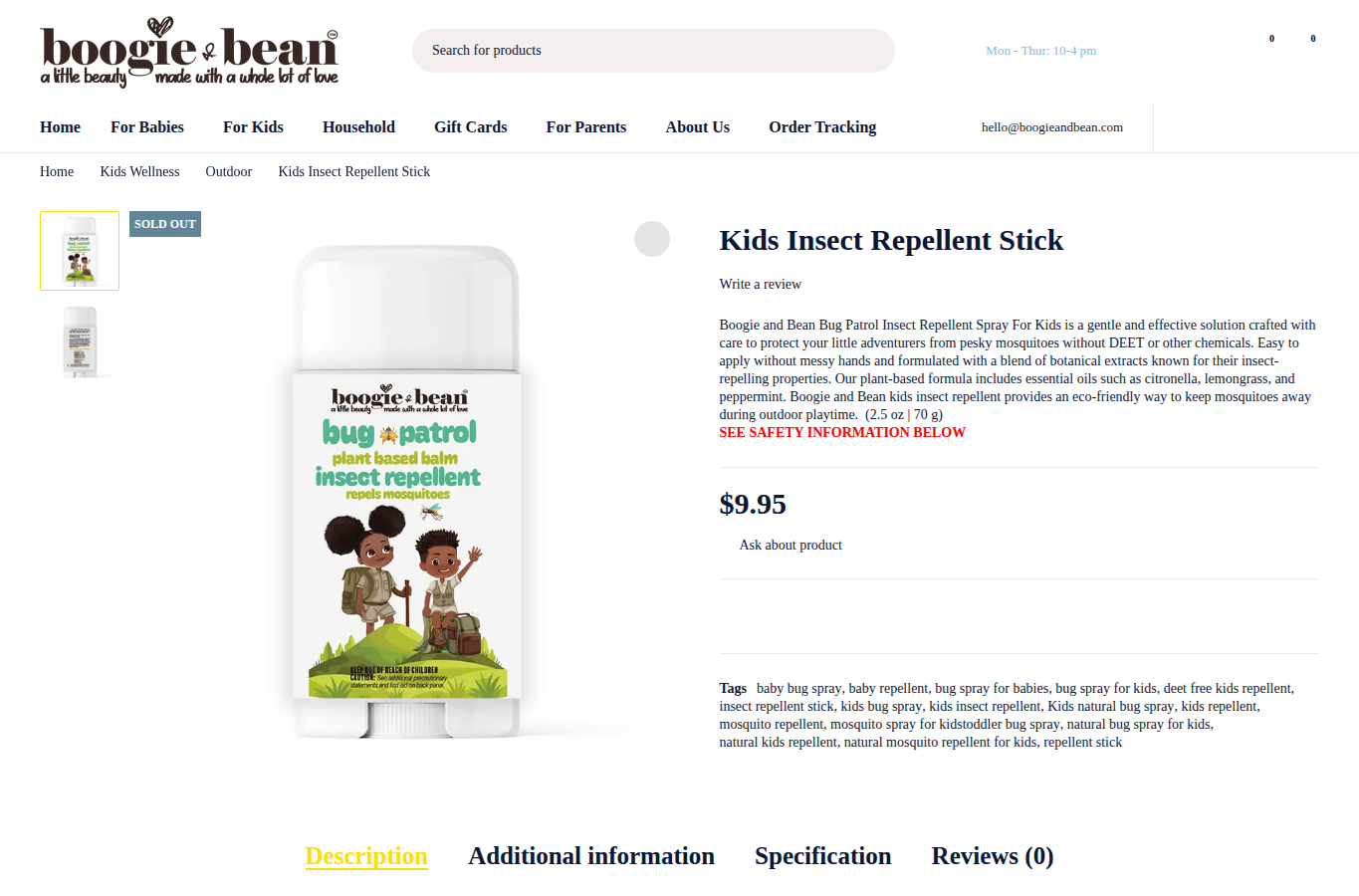
Boogie and Bean offers a stick-format repellent with citronella, lemongrass, and peppermint oils, designed for mess-free application on children. The company includes extensive safety warnings regarding essential oil exposure for young users.
The Decision Matrix
Conclusion
Choose a plant-based repellent when you have identified the insect, confirmed the infestation is light and localised, matched the compound to the pest, and verified no child, pet, or pregnancy contraindication exists; call a professional when you find multiple pest species, repeated application fails, or the insects appear in bedrooms, food preparation areas, or anywhere a child sleeps or eats.
Need professional help? BuzzKill offers fast, reliable pest control services across London and Essex.