
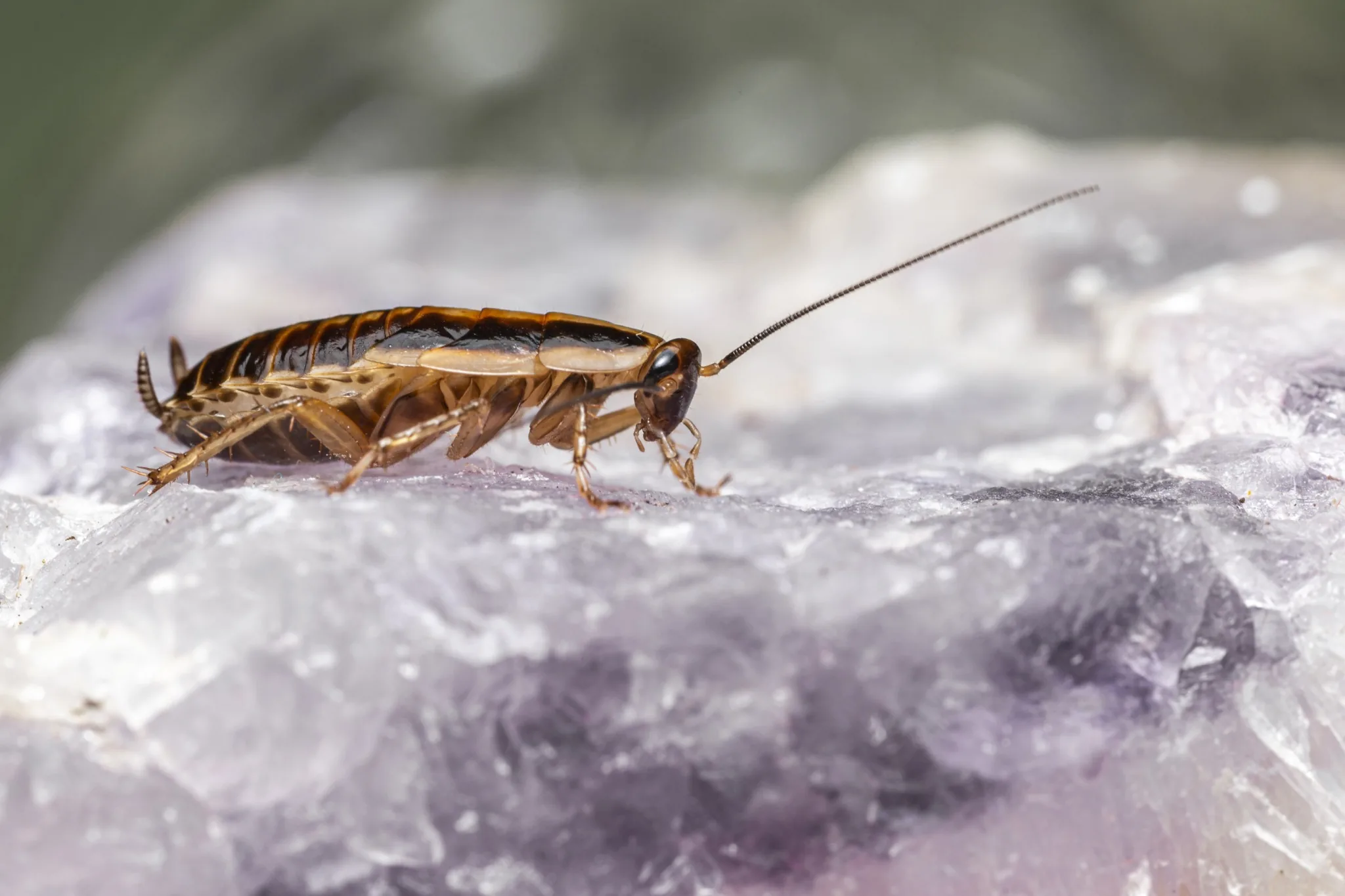
Discovering cockroaches in your home is deeply unpleasant, but with the right approach they can be completely eradicated. The key is understanding where they hide in each room, how they spread through your property, and how to prepare effectively for professional treatment.
This room-by-room guide explains how cockroaches enter your home, their preferred hiding spots in each area, and the most effective treatment and prevention strategies to ensure they do not return.
Published:
How Cockroaches Enter Your Home
Most home infestations start with a single introduction event that goes unnoticed. A second-hand fridge from an online marketplace, a stack of cardboard boxes from a supermarket delivery, or a suitcase returning from a hotel stay — any of these can carry cockroaches or their egg cases into your kitchen without your knowledge.
Ground-floor properties and homes with older plumbing are particularly vulnerable to cockroaches entering from outside. Uncovered drain grates, crumbling air bricks, and unsealed gaps where pipes enter the building are the most common entry points. A gap of just 1.5mm is wide enough for a juvenile cockroach to pass through.
If you live in a flat or terraced house, your risk depends partly on your neighbours. Cockroaches routinely travel between adjoining properties through the building fabric, particularly where pipes and cables pass through party walls. This is why single-unit treatment often fails — and why reporting cockroaches to your landlord or managing agent is essential.
Cockroaches in Your Kitchen: Where They Hide
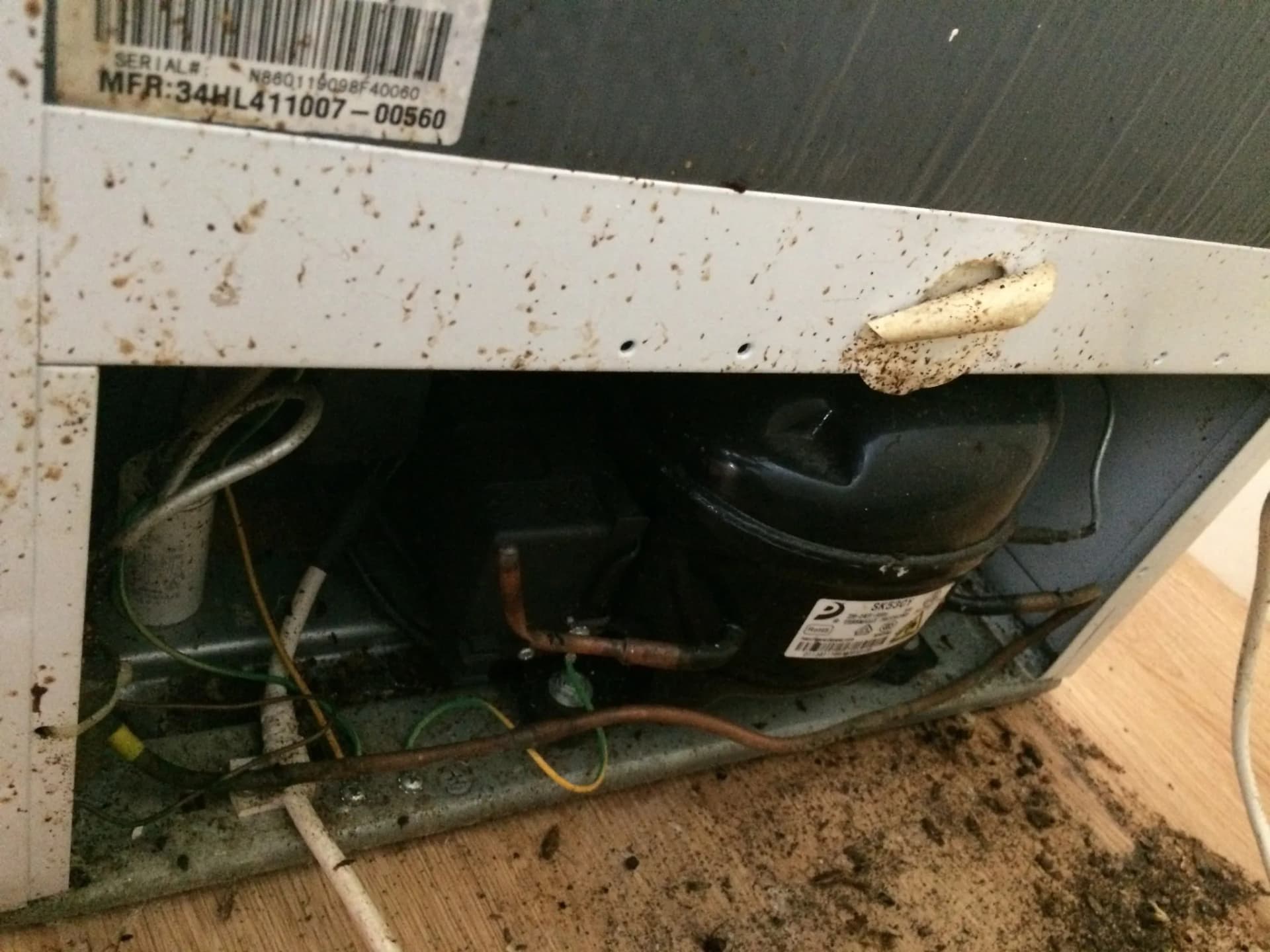
The kitchen is always the epicentre of a German cockroach infestation. They need warmth, moisture, and food — all abundantly available in kitchens. The motor housing of your fridge is the single most common harbourage point because it provides constant warmth.
Inspect behind and underneath the fridge, oven, dishwasher, and washing machine. Check inside cupboard door hinges (a favourite hiding spot), along the gap between worktops and walls, underneath the kitchen sink around pipework, and behind the kickboards (plinths) of fitted units.
German cockroaches also harbour inside toasters, microwaves, coffee machines, and kettle bases — anywhere that provides warmth and proximity to food. If you find droppings inside small appliances, bag the appliance and take it to a pest controller or dispose of it.
Cockroaches in Your Bathroom
Bathrooms provide the water source cockroaches need to survive. Check behind the toilet cistern, around pipe penetrations under the basin, inside vanity units, along the bath panel, and around extractor fan housings.
In flats, the bathroom is a common entry point because waste pipes and water supply risers connect multiple units. Cockroaches travel along these shared pipe runs and enter through gaps around pipe penetrations in walls and floors.
Keep bathrooms well ventilated to reduce humidity. Fix any leaking taps or pipes, and seal gaps around pipe penetrations with silicone sealant.
Utility Areas, Boiler Cupboards, and Basements
Boiler cupboards provide constant warmth and are a common harbourage for German cockroaches. Check around the boiler housing, along pipework, and behind any shelving or storage in the cupboard.
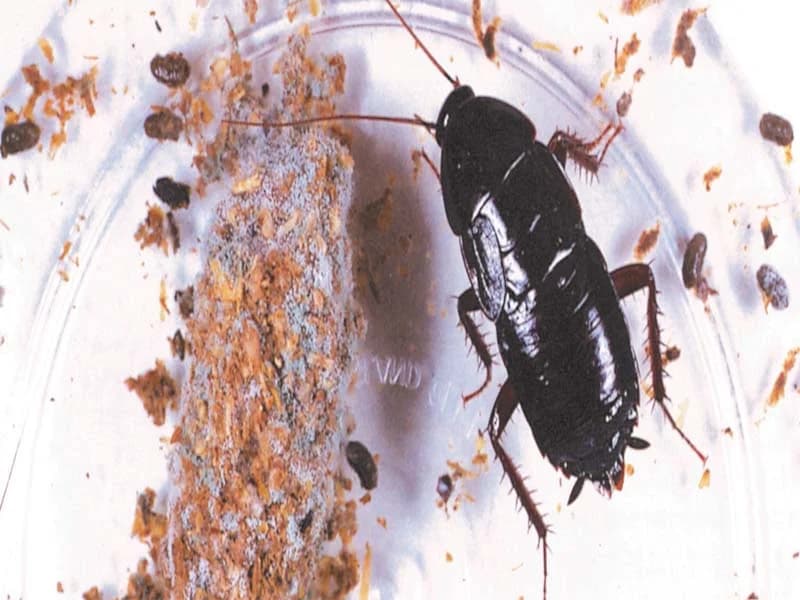
Basements and cellars are primary habitats for Oriental cockroaches. Check around drain covers, along damp walls, behind stored boxes, and around any pipework entering the building at ground level.
Utility rooms with washing machines and tumble dryers provide both warmth and moisture. Inspect behind these appliances, around waste pipe connections, and along the floor where the wall meets the skirting board.
Need professional help with cockroach control? BuzzKill Pest Control offers fast, effective treatment with no call-out charge.
Preparing Your Home for Professional Cockroach Treatment
Your pest controller will give you specific preparation instructions before the visit, but the general principle is to give the technician clear access to the areas where cockroaches harbour. Move items away from under sinks, clear out affected cupboards, and pull freestanding appliances forward if you can do so safely.
The most important pre-treatment step is to avoid using any shop-bought sprays, foggers, or powders. These repellent products drive cockroaches away from treated surfaces and into untreated areas of your home, making the professional treatment less effective. If you have already used DIY products, tell your technician so they can adjust their approach.
Plan for the treatment to take 30 to 60 minutes depending on the number of rooms involved. You will not need to leave the property during gel bait application, but the technician may ask you to stay out of treated rooms for a few hours if residual spray is used.
Aftercare and Prevention After Home Treatment
In the weeks following treatment, keep a simple log of any cockroach sightings — note the date, time, room, and whether the cockroach was alive or dead. Share this with your technician at the follow-up visit, as it helps them assess whether the colony is declining or whether bait placement needs adjusting.
If you live in a flat, talk to your landlord or managing agent about having neighbouring units inspected. Even the best single-unit treatment can be undermined if an untreated colony next door continues to push cockroaches through the building fabric.
For a full walkthrough of the treatment process, see our guide to getting rid of cockroaches. Our preventing cockroach infestations article covers long-term protection strategies.
Frequently Asked Questions
Should I seal gaps around pipes to prevent cockroaches?
Absolutely. Sealing gaps around pipework under sinks, behind toilets, and where pipes penetrate walls is one of the most effective prevention measures. Use silicone sealant or expanding foam to close these entry routes.
Should I throw away my fridge if it has cockroaches?
Not usually. A professional pest controller can treat appliances with gel bait. However, if the appliance is old and heavily infested inside components that cannot be accessed, replacement may be more practical than treatment.
Is it normal to see more cockroaches after treatment?
Yes, increased activity in the first 48 hours after gel bait application is a positive sign. The bait draws cockroaches out of hiding. Activity should decline steadily over the following 1 to 2 weeks as the bait takes effect.
My landlord won't treat the building — what can I do?
Landlords have a legal obligation to provide pest-free accommodation. Put your request in writing, referencing the Homes (Fitness for Human Habitation) Act 2018. If they fail to act, contact your local council's environmental health team who can serve an improvement notice.
Professional Cockroach Control Service
Learn more about our cockroach control service, pricing, treatment methods, and customer reviews.
View Cockroach Control Service