
Cockroach Control in Bethnal Green
Same-Day German & Oriental Cockroach Treatment From £130
Professional Cockroach Control in Bethnal Green
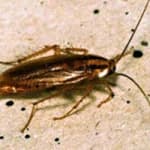
Cockroaches are highly resilient pests that pose a severe health risk in Bethnal Green. They thrive in warm, humid environments like kitchens and bathrooms, carrying pathogens that cause food poisoning and gastroenteritis.
Whether you are dealing with German cockroaches in your kitchen appliances or Oriental cockroaches in your basement, BuzzKill Pest Control has the expertise to eradicate them. Our Bethnal Green technicians use professional gel baits and insecticidal monitors to completely break the breeding cycle.
Quick treatment is essential because cockroaches are known to carry at least 40 different types of bacteria, including those responsible for typhoid fever, cholera, dysentery, E. coli, and salmonella. Left untreated, their numbers increase exponentially — a single female can lay 120 to 240 eggs every two months, with a short development period from hatching to maturity. Cockroaches move quickly, climb with ease on both smooth and rough surfaces, and can travel vertically — up, down, and even upside-down — making them extremely difficult to contain without professional intervention.
Last updated:






How Much Does Cockroach Treatment Cost?
Prices from £130 for a standard kitchen cockroach treatment.
To get rid of cockroaches from your home or business premises call 0203 468 1999
Cockroach Treatment Pricing
| Single room / kitchen treatment | from £130 |
| 2-visit eradication programme (kitchen) | from £220 |
| 3-visit programme (multi-room / severe) | from £350 |
| Commercial kitchen contract (quarterly) | from £500 |
Our Treatment Guarantee
All cockroach treatments in domestic properties are covered by a 1-month guarantee from the date of the final visit. This guarantee is conditional on following our preparation and aftercare guidance.
- Most cockroach infestations require a minimum of two visits spaced 2–3 weeks apart to break the breeding cycle — our technician will advise on the recommended schedule.
- Commercial premises including restaurants, takeaways, and food production facilities are assessed individually and may require an ongoing service contract.
Why Is Professional Cockroach Treatment Essential?
Cockroaches are one of the most prolific breeding pests. A single German cockroach egg case (ootheca) contains up to 40 eggs, and under warm kitchen conditions those eggs can hatch in as little as 28 days. Because nymphs reach maturity in roughly 6 weeks, a small problem can become a severe infestation within two months.
Cockroaches are primarily nocturnal. If you see cockroaches during the daytime, the infestation is almost certainly severe — the population has grown to the point where individuals are being forced out of harbourage areas due to overcrowding. At this stage, cockroaches will have spread throughout wall voids, behind kitchen units, inside appliances, and along pipework runs.
Beyond the physical contamination, cockroach droppings and shed skins are potent allergens that become airborne in enclosed kitchens. Prolonged exposure is linked to chronic respiratory problems, particularly in children and the elderly. For food businesses, a cockroach sighting can result in an immediate closure notice from Environmental Health Officers, loss of your food hygiene rating, and lasting reputational damage. Properties with cockroach infestations often also have ant or silverfish problems, as all three thrive in similar warm, damp conditions.
Professional treatment is essential because cockroaches have developed resistance to many over-the-counter insecticides. Our professional-grade gel baits and residual sprays target cockroaches at every life stage, and our multi-visit approach ensures that newly hatched nymphs are eliminated before they can breed.
How to Prepare Your Home Before We Arrive
- Deep clean the kitchen — wipe down all surfaces, clean behind and underneath the cooker, fridge, microwave, and dishwasher.
- Remove all food from worktops and open shelving. Store food in sealed containers or inside the fridge.
- Empty kitchen cupboards in the affected area so the technician can inspect and treat all crevices.
- Take out the rubbish and clean the kitchen bin thoroughly — cockroaches feed on food residue in bins.
- Fix any leaking taps or pipes under sinks — cockroaches need a water source and eliminating moisture helps the treatment work faster.
- Do not apply any DIY sprays, powders, or foggers before our visit — these can repel cockroaches away from the areas we need to treat.
What to Do After Treatment
- Allow all treated surfaces to dry fully (typically 2 to 4 hours) before using the kitchen.
- Do not wipe, scrub, or mop treated surfaces — the residual insecticide and gel bait need to remain active for several weeks to kill cockroaches that emerge after treatment.
- Continue to keep the kitchen clean and dry. Remove food waste promptly and wipe down surfaces before bed each night.
- Do not block or seal any gaps that the technician has left open — these may be monitoring points or bait placement sites.
- You may see increased cockroach activity for 1–2 days after treatment. This is normal — the gel bait attracts cockroaches out of hiding before killing them.
- Do not apply any DIY sprays or powders to treated areas — these can repel cockroaches away from the professional bait.
- Monitor sticky traps (if placed) and report findings at the follow-up visit. Our technician will assess activity levels and determine whether further treatment is needed.
Cockroach Treatment
More information on cockroach problems
Find the Area Near You
Search for treatment in your borough
How Does the BuzzKill Cockroach Treatment Process Work?
Your BuzzKill technician begins with a thorough inspection of the kitchen and surrounding areas, checking behind appliances, inside cupboards, around pipework, and along skirting boards for live cockroaches, egg cases, droppings, and smear marks. This survey determines the species (German or Oriental), the severity of the infestation, and the harbourage locations.
For German cockroach infestations — which account for over 90% of domestic callouts — the primary treatment is professional insecticidal gel bait applied in discrete dots to harbourage areas. Cockroaches consume the bait, return to the nest, and spread the active ingredient to other cockroaches through contact and coprophagy (feeding on droppings). This cascade effect can eliminate an entire colony from a single bait application.
For heavy infestations or Oriental cockroach problems in basements and drains, we combine gel bait with a targeted residual spray applied to skirting boards, behind kitchen units, and along pipework runs. Insect monitors (sticky traps with pheromone attractant) are placed to track activity levels between visits.
A follow-up visit is scheduled 2–3 weeks after the initial treatment. The technician inspects monitors, assesses remaining activity, and applies a second round of treatment if needed. For severe infestations, a third visit may be required to ensure complete eradication.
What Professional Cockroach Treatment Products Do We Use?
BuzzKill uses only professional-grade insecticides that are approved by the Health and Safety Executive (HSE) and are not available to the general public. All products are applied by fully qualified, BASIS PROMPT-registered technicians.
Gel Baits
Residual Sprays
Monitoring
- Professional insect monitors with species-specific pheromone attractant
- UV inspection torch for detecting cockroach smear marks and droppings
Cockroaches in Commercial Kitchens
Cockroach infestations in commercial kitchens, restaurants, and food production facilities require a different approach to domestic treatments. The scale of the premises, continuous food handling, and regulatory requirements mean that a one-off treatment is rarely sufficient. Learn more about our restaurant pest control services.
BuzzKill provides tailored cockroach control contracts for commercial clients. These typically include an initial intensive treatment programme followed by regular scheduled visits (monthly or quarterly) to monitor, maintain bait stations, and carry out preventative treatments. All work is documented with detailed service reports suitable for EHO inspection and due diligence audits.
We understand the commercial sensitivity of pest issues in food businesses. Our technicians arrive in unmarked vehicles, work outside of trading hours where possible, and provide discreet, professional service. We can also advise on proofing measures — sealing gaps around pipework, installing door brushes, and recommending drainage improvements — to reduce the risk of reinfestation. View all our commercial pest control options.
Our Happy Cockroach Control Customers
"Found a cockroach under the fridge and panicked. BuzzKill came out the same day, laid down gel bait, and we haven't seen one since. Outstanding."
"We run a small cafe and discretion is everything. The technician arrived in an unmarked van out of hours and solved the issue quickly. Highly recommended."
"Thorough and professional. They didn't just spray; they pulled out the appliances and found the source of the nest. Worth every penny."
Cockroach Control Guides & Articles
Learn more about cockroach control with our in-depth guides covering identification, prevention, and treatment.
Frequently Asked Questions
How long does it take to get rid of cockroaches?
Most cockroach infestations require 2 to 3 professional treatments spaced 2 to 3 weeks apart. Full eradication is typically achieved within 4 to 8 weeks. German cockroaches breed rapidly, so early treatment significantly shortens the timeline.
Does seeing one cockroach mean I have an infestation?
Very likely, yes. Cockroaches are nocturnal and secretive. Seeing one during the day usually means the harbourage is overcrowded. For every cockroach you see, there are typically many more hidden behind appliances, inside wall cavities, and along pipework.
Can cockroaches make you ill?
Yes. Cockroaches carry Salmonella, E. coli, and Staphylococcus bacteria. They contaminate food and surfaces with droppings, shed skins, and saliva. Cockroach allergens are also a known trigger for asthma, particularly in children.
Why do cockroaches keep coming back after treatment?
The most common reason is re-infestation from neighbouring properties via shared pipework and wall voids, particularly in flats. Egg cases present at the time of treatment also hatch 2 to 4 weeks later, which is why follow-up treatments are essential.
How much does cockroach treatment cost?
Professional cockroach treatment in London starts from £130 for a standard kitchen treatment. The total cost depends on the number of rooms affected and follow-up visits required. BuzzKill offers free, no-obligation quotes with no call-out charge.
Are cockroaches more common in flats?
Yes. Cockroaches thrive in multi-occupancy buildings because they travel between units through shared wall voids, pipework, and drainage. Treatment of a single flat often fails because cockroaches re-enter from untreated neighbouring units.
What cockroach species are found in the UK?
The two most common species in UK homes are the German cockroach (Blattella germanica) and the Oriental cockroach (Blatta orientalis). German cockroaches are small, light brown, and prefer warm kitchens and bathrooms. Oriental cockroaches are larger, dark brown to black, and favour cooler, damp areas like basements and drains. Each species requires a different treatment approach.
Can cockroaches fly?
German cockroaches have wings but rarely fly — they prefer to run. Oriental cockroaches have underdeveloped wings and cannot fly at all. In the UK, you are very unlikely to encounter flying cockroaches. Any cockroach you see moving quickly across your kitchen floor is running, not flying.
What is the best treatment for cockroaches?
Professional insecticidal gel bait is the gold standard for cockroach control. It is applied in small dots in hidden locations where cockroaches harbour. Cockroaches eat the bait, return to the nest, and spread the poison to the rest of the colony through contact and droppings — achieving a cascade kill effect that eliminates the entire population.
Do cockroaches bite?
Cockroaches can bite, but it is extremely rare in the UK. They are scavengers, not predators, and will only bite humans in cases of severe infestation where food is scarce. The real health risk from cockroaches is disease transmission and allergens from their droppings, shed skins, and saliva — not biting.
Where do cockroaches live in a house?
Cockroaches live in warm, dark, humid spaces close to food and water. The most common harbourage points are behind the fridge and oven, under the kitchen sink, inside cupboard door hinges, along pipework runs, behind skirting boards, inside electrical sockets, and in gaps between fitted kitchen units and walls. These damp conditions also attract silverfish, so both pests are often found in the same properties.
Related Pest Services
Other common pest problems we treat
Cockroach Control Near Bethnal Green
Cockroach Control services across London & Essex
Can't find your area?
0203 468 1999