
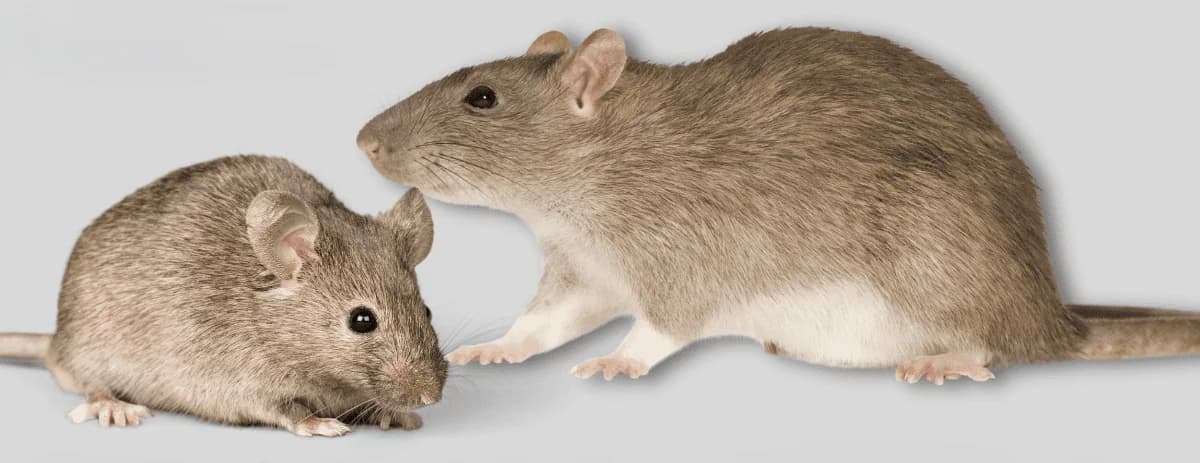

Hardware stores and online retailers sell dozens of mouse control products, from traditional snap traps to ultrasonic plug-in devices. Some are genuinely effective; others are a waste of money. Knowing which is which saves you time, money, and frustration.
This guide provides an honest assessment of every major category of DIY mouse control product, based on professional pest control experience and independent research, so you can choose the right tools for your situation.
Published:
Snap Traps — The Gold Standard
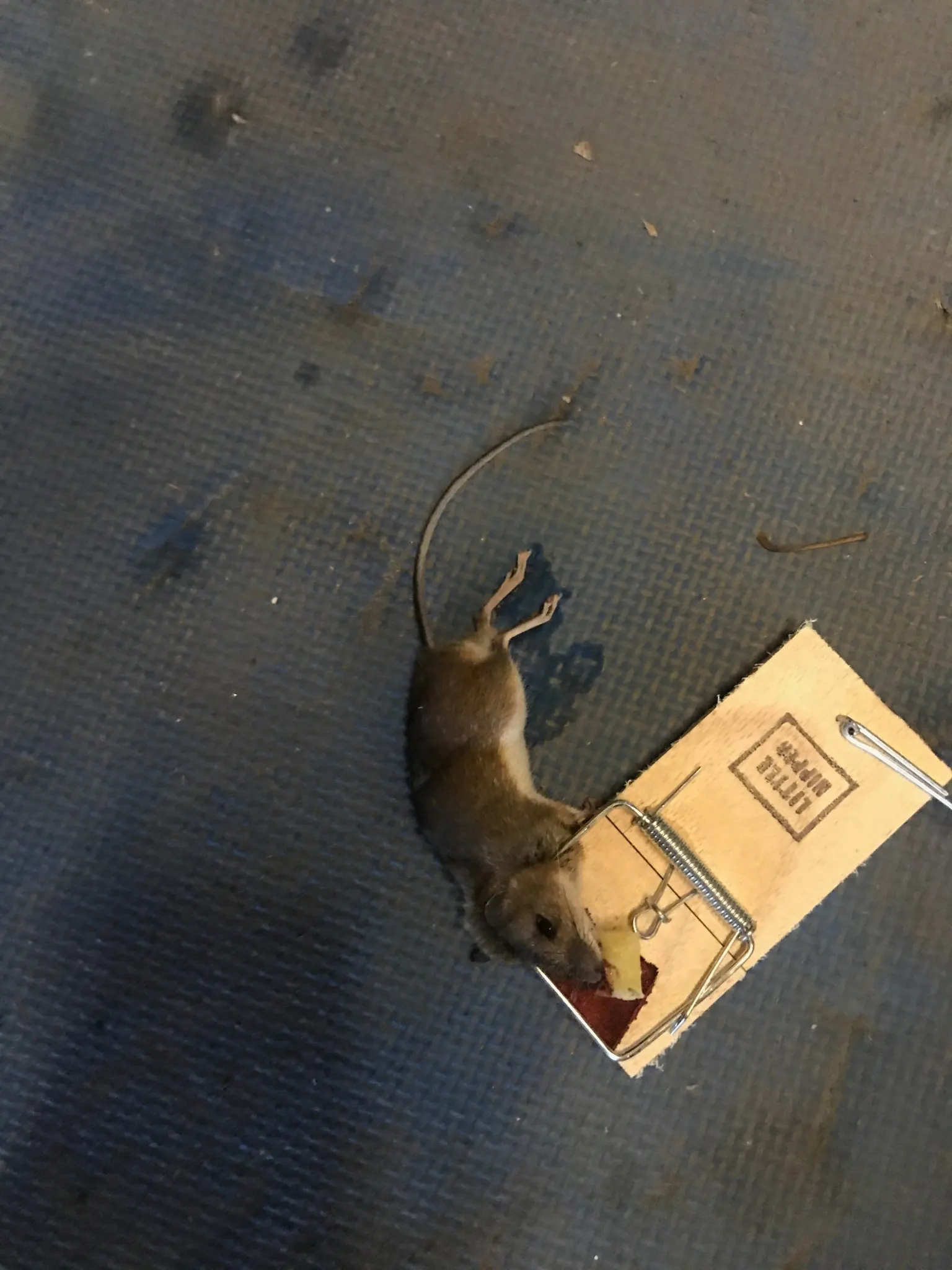
Traditional snap traps remain the most effective and humane DIY mouse control method. Modern plastic snap traps (such as the Tomcat or Big Cheese brands) are easier to set and more sensitive than old-fashioned wooden ones, and they can be reused many times.
The key to success with snap traps is quantity and placement. A single trap is almost never enough. Set at least 6 to 10 traps across multiple locations — behind the fridge, under the oven, in the airing cupboard, along loft joists, and anywhere you have found droppings. Place traps perpendicular to walls with the trigger end touching the skirting board.
Bait traps with a small smear of peanut butter, chocolate spread, or hazelnut spread. Replace bait every 2 to 3 days if not taken. If traps are not catching within 3 days, move them to different locations — mice may have altered their routes.
Electronic Traps
Electronic mouse traps deliver a lethal electric shock when a mouse enters the chamber. They are effective, humane (death is near-instantaneous), and reusable. The main advantages over snap traps are that you do not see the kill mechanism in action and the dead mouse is contained inside a chamber for easy disposal.
The downsides are cost (typically £20 to £40 per unit) and the fact that you need batteries. They also only catch one mouse at a time before needing to be emptied and reset. For a significant infestation, you would need multiple units, making them expensive compared to snap traps.
Electronic traps are a good choice for people who are squeamish about snap traps or who want a more discreet solution. They are most effective when placed along confirmed mouse runs identified by droppings or grease marks.
Live Catch Traps
Live catch traps capture mice without killing them, allowing you to release them outdoors. While this sounds humane, there are practical problems. Released house mice almost always re-enter the same building or a neighbouring one because they are a commensal species that cannot survive outdoors in the UK.
To give a captured mouse any chance of survival, you would need to release it at least 2 miles from your property in suitable habitat — which is impractical for most people. Additionally, mice experience significant stress from being trapped and handled, so live trapping is not necessarily more humane than a well-set snap trap that kills instantly.
If you do use live catch traps, check them at least every 12 hours. Mice dehydrate and succumb to stress quickly, and leaving a mouse in a trap for extended periods causes suffering.
Rodenticide Bait Stations
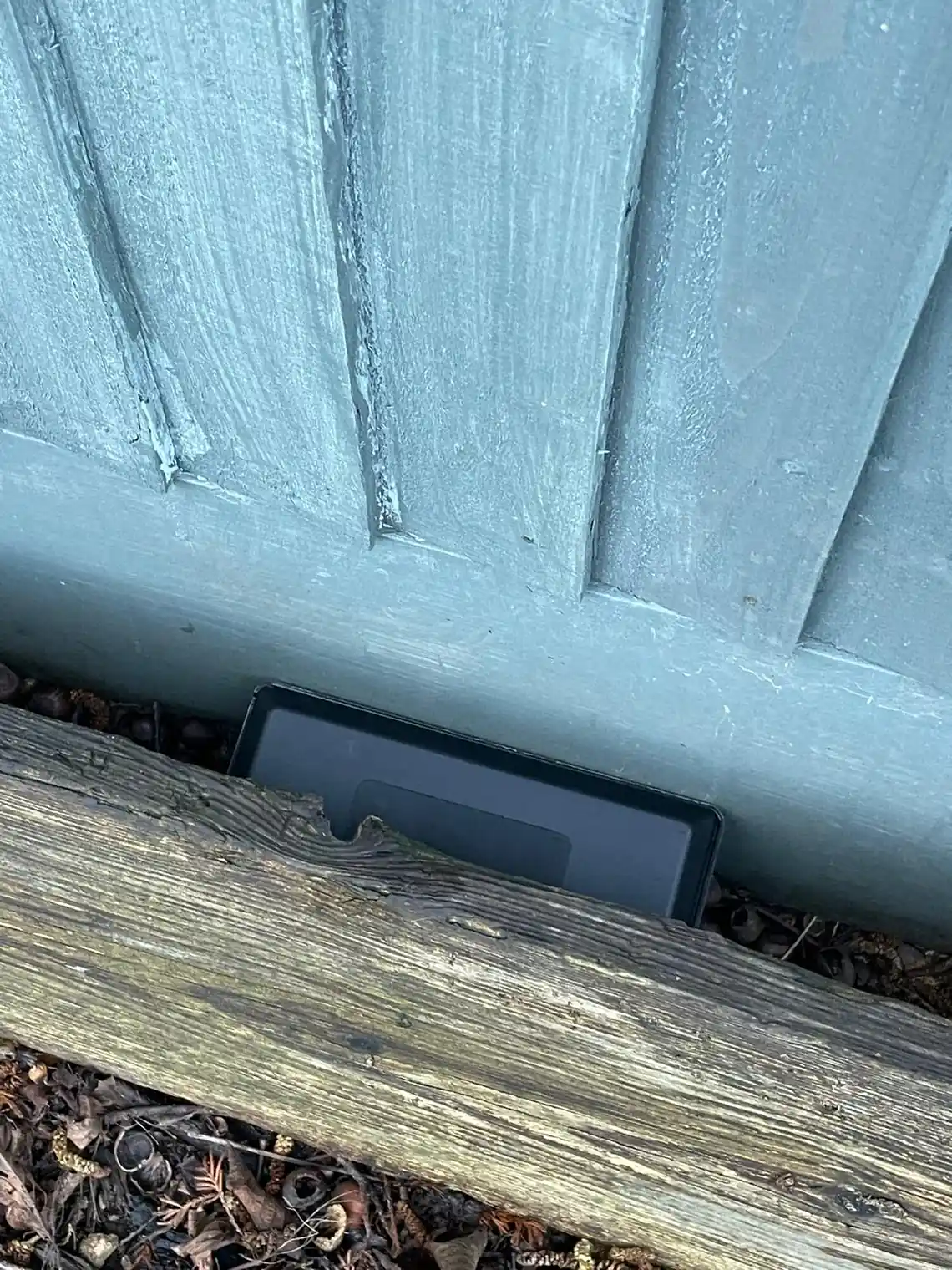
Over-the-counter mouse poison (rodenticide) is available in block, paste, and grain formulations. The most common active ingredients in retail products are bromadiolone and difenacoum — both second-generation anticoagulants that cause death over several days after ingestion.
Always use rodenticide inside tamper-resistant bait stations — never scatter loose bait. This protects children, pets, and non-target wildlife. Place bait stations along walls in areas of known activity, and check them regularly to monitor uptake and replenish bait.
The main risk with poison in domestic settings is secondary poisoning (pets eating a poisoned mouse) and mice dying in inaccessible locations like wall cavities, causing severe odour for 2 to 4 weeks. For homes with pets or children, snap traps are generally a safer choice. Professional pest controllers use commercial-grade rodenticides at higher concentrations inside locked, heavy-duty bait stations.
Need professional help with mice control? BuzzKill Pest Control offers fast, effective treatment with no call-out charge.
Ultrasonic Repellers — Save Your Money
Ultrasonic mouse repellers are plug-in devices that emit high-frequency sound intended to drive mice away. They are one of the most widely sold mouse products, and one of the least effective.
Multiple independent studies, including research by the University of Nebraska and the British Pest Control Association, have found that ultrasonic devices do not reliably repel mice. Mice may show initial avoidance but habituate to the sound within days and resume normal activity.
Trading Standards bodies in the UK have taken action against manufacturers making unsupported efficacy claims for ultrasonic repellers. Professional pest controllers unanimously advise against them. If you have already bought one, do not rely on it — use traps and proofing instead.
When DIY Is Not Enough
DIY products are effective for catching the occasional mouse that finds its way inside. However, if you are dealing with an established infestation — regular droppings in multiple rooms, sounds in walls, traps catching mice but the problem continuing — professional treatment is needed.
Professional pest controllers have access to commercial-grade rodenticides at higher concentrations than retail products, professional tracking dust to map routes through wall cavities, and the expertise to locate and seal entry points. They also ensure treatment is carried out safely, especially in homes with children and pets.
Our how to get rid of mice guide explains the full professional treatment process, and our mice treatment service page covers pricing and what to expect.
Frequently Asked Questions
What is the best bait for mouse traps?
Peanut butter is the most effective bait for mouse traps. It has a strong smell that attracts mice, it is sticky so mice cannot grab it and run, and it is inexpensive. Chocolate spread and hazelnut spread also work well. Cheese is less effective than commonly believed.
How many traps do I need?
Set at least 6 to 10 snap traps for a suspected single mouse, and more for an established problem. Traps are cheap, and using too many is always better than too few. Place them in multiple locations along walls where you have found droppings.
Do mouse repellent sprays work?
There is no scientific evidence that peppermint oil sprays, predator urine products, or other repellent sprays provide reliable, lasting deterrence against mice. Physical exclusion (proofing) is the only proven long-term deterrent.
How long does mouse poison take to work?
Most second-generation anticoagulant rodenticides take 3 to 7 days to kill a mouse after ingestion. This delayed action allows the mouse to return to the nest, where other mice may also consume the bait through secondary contact.
Why are my mouse traps not catching anything?
The most common reasons are wrong placement (traps must be against walls, not in the middle of the room), wrong orientation (trigger end should touch the skirting board), stale bait, or too few traps. Mice are also neophobic — they may avoid new objects for a day or two before investigating.
Professional Mice Control Service
Learn more about our mice control service, pricing, treatment methods, and customer reviews.
View Mice Control Service