


A mouse infestation in a commercial property is not just a nuisance — it is a serious legal and reputational risk. Restaurants, food manufacturers, and retailers face enforcement action, closure notices, and devastating online reviews if Environmental Health Officers find evidence of mice on their premises.
This guide covers your legal obligations as a business owner, why commercial properties are particularly vulnerable to mice, and how professional contract pest management protects your business year-round.
Published:
Legal Obligations for Businesses

Under the Food Safety Act 1990 and the Food Hygiene Regulations 2006, food businesses have a legal duty to prevent pest contamination. Environmental Health Officers can issue improvement notices, emergency prohibition notices, or prosecute businesses where pest infestations pose a risk to public health.
The Prevention of Damage by Pests Act 1949 also places a duty on all property owners and occupiers to keep premises free from mice and rats. Local authorities can serve notices requiring you to take action, and failure to comply is a criminal offence.
Beyond legal requirements, many industry accreditation schemes (BRC, SALSA, Red Tractor) require evidence of a proactive pest management programme including regular inspections, monitoring records, and documented corrective actions. Failing a pest audit can result in lost accreditation and lost contracts.
Why Commercial Properties Attract Mice
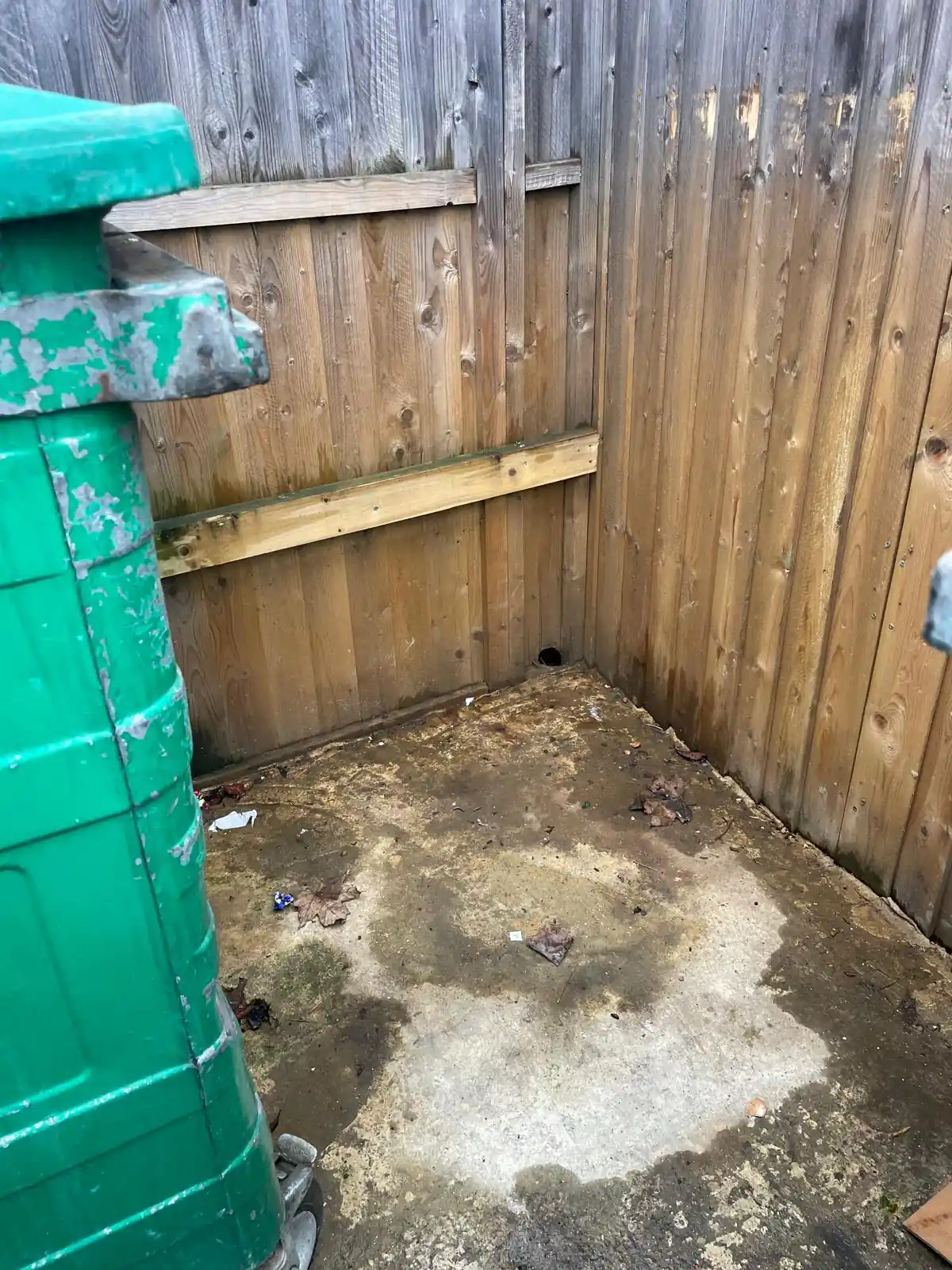
Commercial kitchens and food storage areas provide everything mice need — warmth, food, water, and harbourage. Frequent deliveries through loading bays, propped-open fire exits, and gaps around service penetrations create multiple entry points that residential properties rarely have.
Warehouses and storage facilities are particularly vulnerable. Palletised goods, cardboard packaging, and stored inventory provide ideal nesting material and cover. Mice can establish large colonies inside racked storage without being detected for weeks if regular inspections are not conducted.
Offices, hotels, and retail premises are not immune either. Staff kitchens with crumbs and open food, suspended ceiling voids, cable risers between floors, and service ducts all provide routes and harbourage for mice. Multi-tenancy buildings are especially challenging because mice travel freely between units through shared voids.
Signs of Mice in Commercial Premises
The signs are the same as in domestic settings — droppings, gnaw marks, grease marks, and sounds — but the inspection points differ. In commercial kitchens, check behind and underneath cooking equipment, inside dry goods stores, around grease traps, and along cable runs into the building.
In warehouses, inspect the bases of racked pallets, inside shrink-wrapped palletised goods (mice gnaw through the wrap), and along the base of external walls. Regular staff should be trained to recognise signs and report them immediately rather than waiting for scheduled pest control visits.
Sticky monitoring boards placed at key risk points — entry doors, service penetrations, along wall-floor junctions in storage areas — provide early warning of new activity between scheduled inspections. Your pest controller should check and record these at every visit.
Commercial Mice Treatment Approach
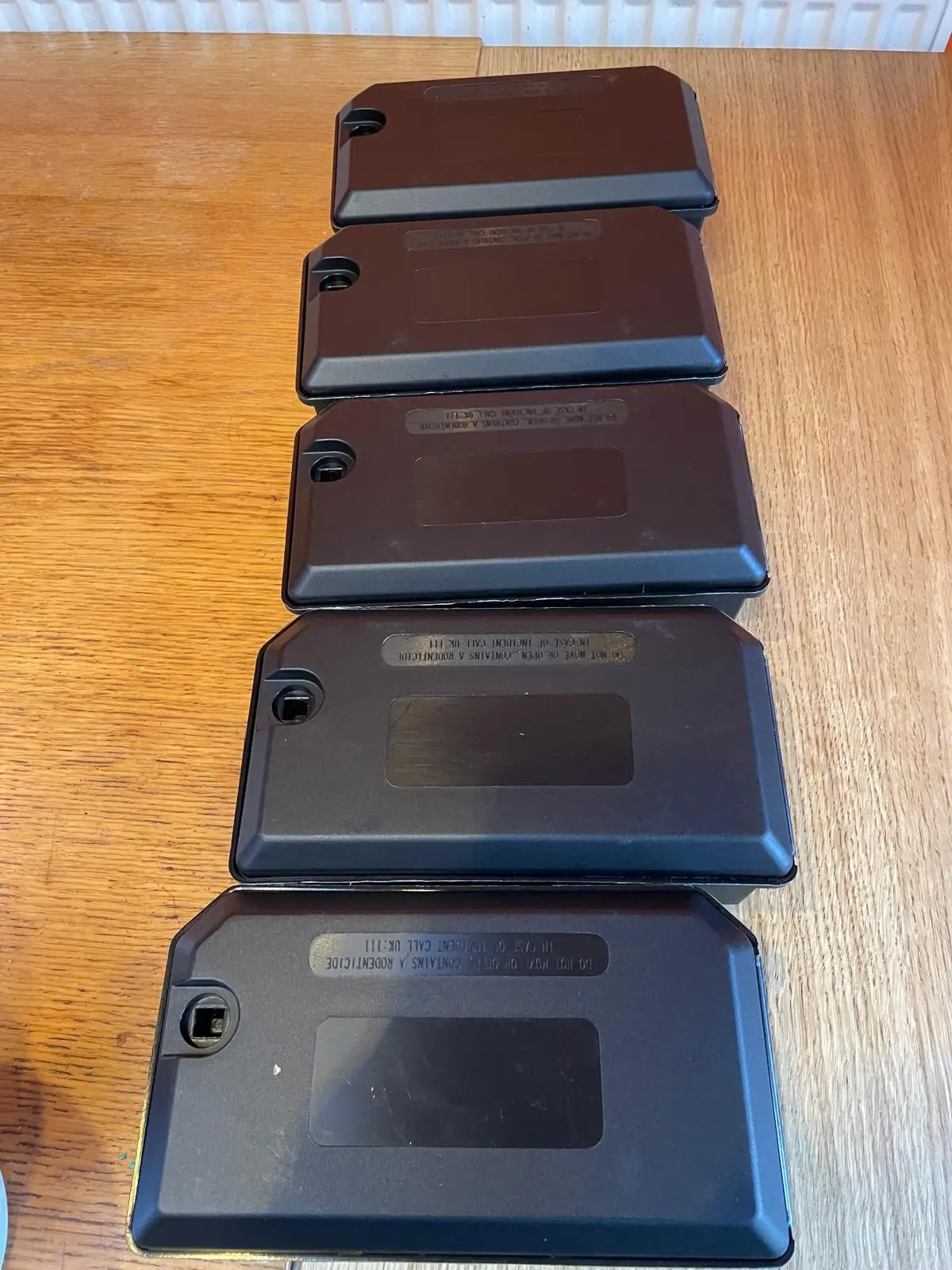
Commercial mice control requires a structured Integrated Pest Management (IPM) approach that combines proofing, monitoring, sanitation, and treatment. Simply placing bait stations is not sufficient — you need to identify and eliminate the conditions that attracted mice in the first place.
A professional pest controller will conduct a detailed risk assessment of your premises, identifying entry points, harbourage areas, and food sources. Treatment typically involves a combination of tamper-resistant bait stations at strategic locations, snap traps in sensitive areas where rodenticide cannot be used, and proofing recommendations for identified entry points.
For food businesses, all pest control activities must be documented. Your pest controller should provide written reports after every visit detailing findings, actions taken, and recommendations. These records are essential for EHO inspections and industry audits.
Need professional help with mice control? BuzzKill Pest Control offers fast, effective treatment with no call-out charge.
Contract Pest Management
A pest control service contract provides scheduled regular visits — typically monthly or quarterly depending on risk level — rather than reactive callouts after a problem is found. This proactive approach catches problems early and demonstrates due diligence to regulators and auditors.
Contract services typically include scheduled inspections with written reports, monitoring station checks, treatment as needed, proofing recommendations, emergency callout cover between scheduled visits, and annual risk assessment reviews.
The cost of a pest control contract is minimal compared to the potential cost of an EHO closure notice, a failed audit, or negative publicity from a mouse sighting reported on social media. For details on our commercial pest management packages, contact our commercial team.
Staff Training and Hygiene Protocols
Your staff are your first line of defence. Train all employees — not just kitchen staff — to recognise the signs of mice and report them immediately. A culture of prompt reporting catches problems before they escalate.
Key hygiene protocols include: cleaning food preparation areas at the end of every shift, storing all food off the floor on shelving, rotating stock to prevent undisturbed harbourage, keeping external doors closed (especially at night), ensuring bins are emptied before they overflow, and maintaining clean staff break rooms.
Door discipline is critical. Loading bay doors and fire exits left propped open — even for short periods — are one of the most common routes for mice entering commercial premises. Consider self-closing mechanisms, rapid-rise doors, or air curtains for high-traffic openings.
Frequently Asked Questions
Can my restaurant be shut down because of mice?
Yes. Environmental Health Officers have the power to issue emergency prohibition notices that close food businesses immediately if they believe there is an imminent risk to public health. A significant mouse infestation in a kitchen or food storage area would constitute such a risk.
How often should commercial premises have pest control inspections?
High-risk food businesses should have monthly inspections. Medium-risk premises such as offices with kitchens may need quarterly visits. Your pest controller will recommend a frequency based on a site-specific risk assessment.
Do I need to close my business during mice treatment?
Usually not. Professional commercial treatment is designed to be minimally disruptive. Bait stations and traps are placed in concealed locations. However, if a severe infestation requires intensive treatment, your pest controller will advise on any temporary operational adjustments needed.
What records do I need to keep for pest control?
Keep all pest controller visit reports, risk assessments, monitoring records, proofing recommendations, and evidence of corrective actions taken. These documents demonstrate due diligence during EHO inspections and industry audits. Your pest control provider should supply detailed written reports after every visit.
How much does commercial mouse control cost?
Commercial pest control contracts vary based on premises size, risk level, and visit frequency. Monthly contracts for small food businesses typically start from around £50 per month. BuzzKill offers free site surveys and tailored quotes for all commercial premises.
Professional Mice Control Service
Learn more about our mice control service, pricing, treatment methods, and customer reviews.
View Mice Control Service