


Mice are secretive, nocturnal creatures that can live in your home for weeks before you notice them. A single breeding pair can produce up to 60 offspring per year, so catching the problem early is critical to preventing a full-blown infestation. Many of the signs overlap with signs of rats, so correct identification is important for choosing the right treatment.
This guide covers every reliable sign that mice are present in your property — from droppings and gnaw marks to sounds and smells — so you can act quickly and know exactly where to look. If you need immediate help, see our professional mice control service.
Published:
Mouse Droppings — The Most Common Sign
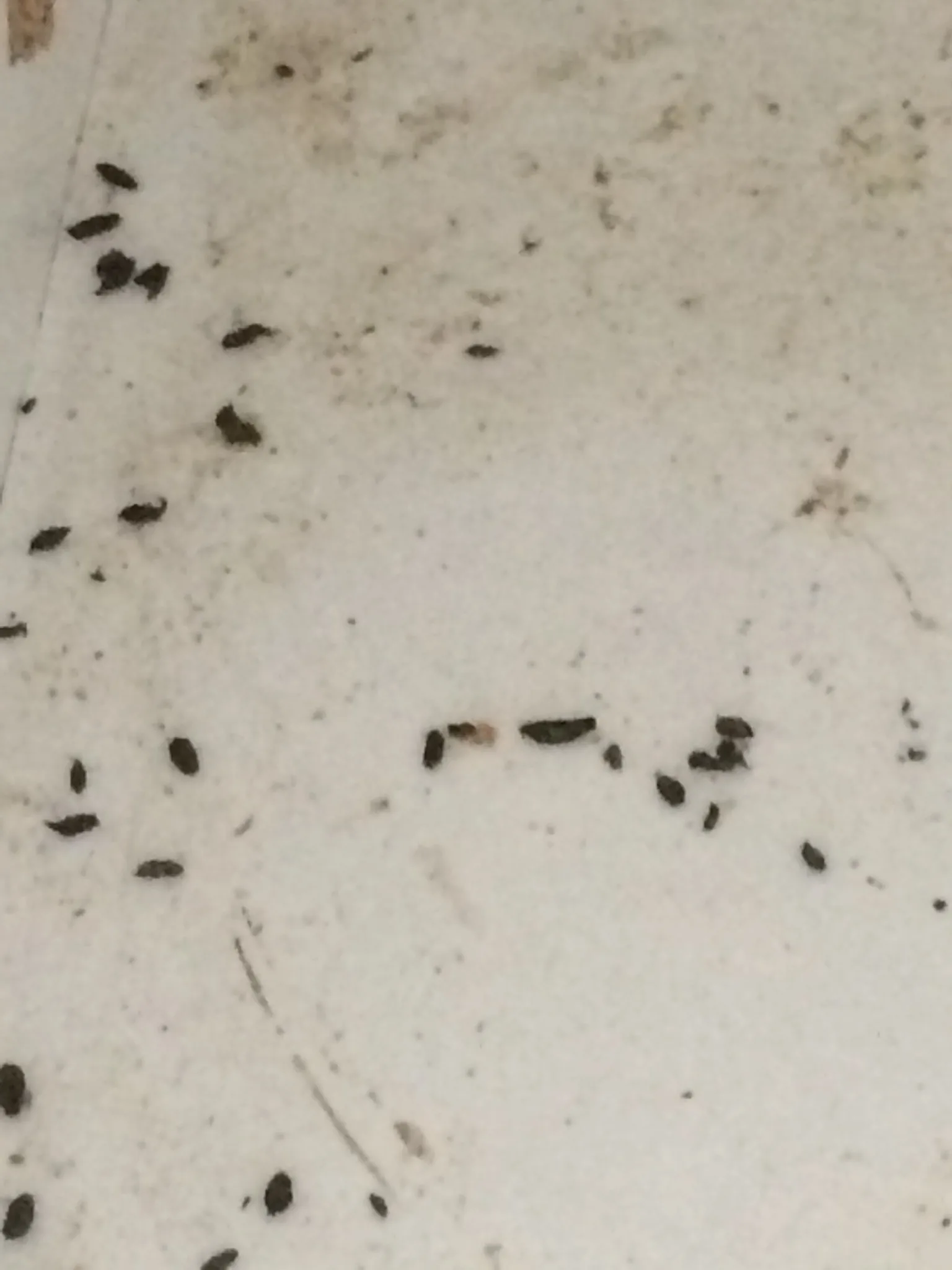
Mouse droppings are the earliest and most reliable indicator of activity. They are small, dark brown or black, roughly 3 to 8mm long, and shaped like grains of rice with pointed ends. A single mouse produces 50 to 80 droppings per day, so even a small population leaves significant evidence.
Fresh droppings are soft, dark, and shiny. Older droppings dry out, turn grey, and crumble when touched. Finding fresh droppings alongside old ones indicates an ongoing, active infestation rather than a past one.
Check along skirting boards, inside kitchen cupboards, under the sink, behind the fridge and oven, in airing cupboards, and in loft spaces. Mice follow the same routes repeatedly, so droppings tend to concentrate along walls and in corners. For a detailed identification guide including how to distinguish mouse droppings from rat droppings, see our mouse droppings guide.
Scratching and Scurrying Sounds
Mice are most active between dusk and dawn. Scratching, scurrying, and gnawing sounds from wall cavities, ceiling voids, and under floorboards are a classic sign — particularly noticeable in the quiet of the night when you are in bed.
The location of the sounds helps identify where mice are nesting and travelling. Scratching from the loft usually indicates mice are nesting in insulation. Sounds within walls suggest they are using cavity walls as highways between floors. Scurrying under the kitchen floor often means they are travelling between their nest and a food source.
Mice are surprisingly vocal. In addition to the sound of their movement, you may hear high-pitched squeaking, especially if there are multiple mice competing for territory or food.
Gnaw Marks and Damage
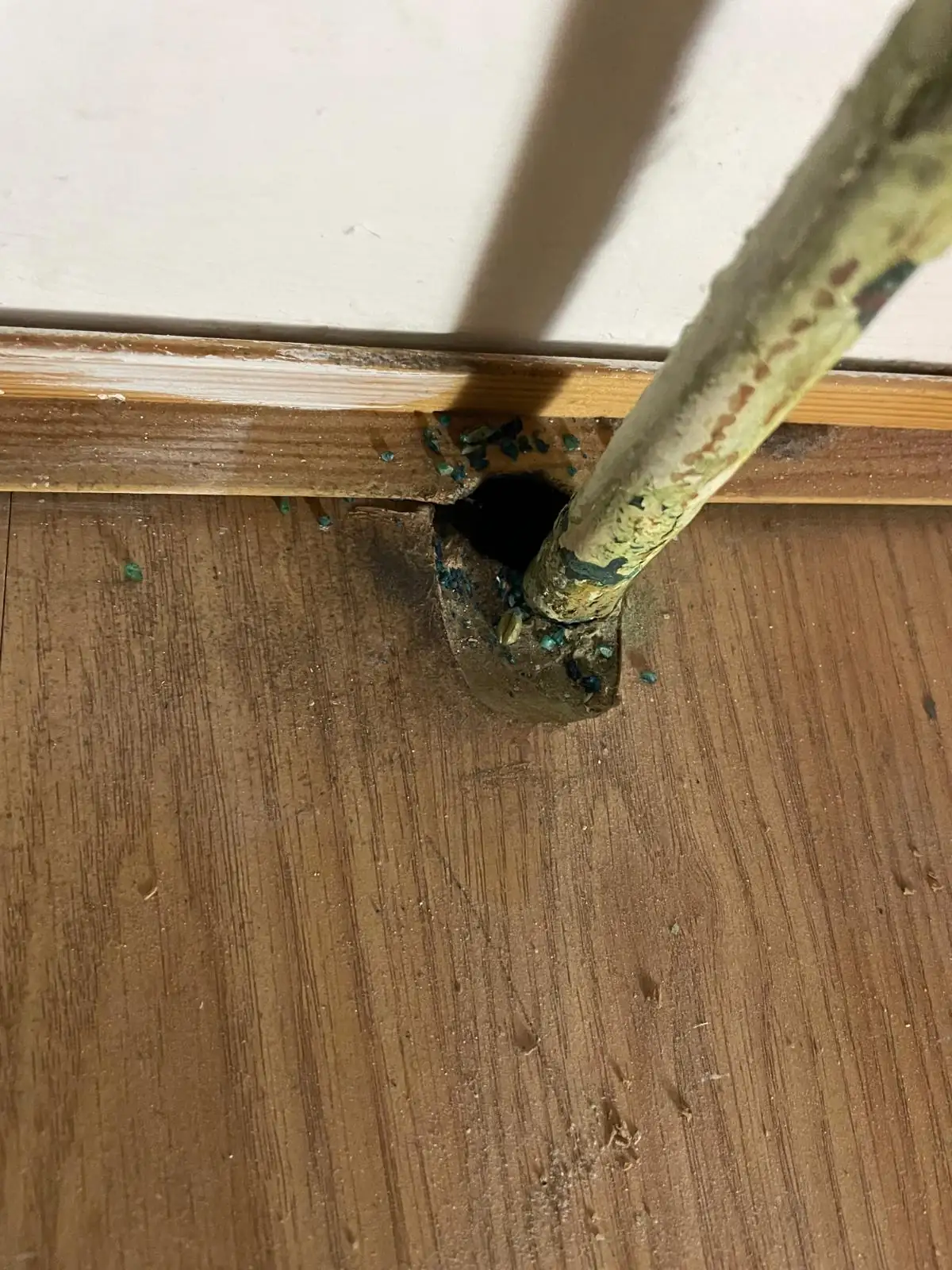
Mice must gnaw constantly because their incisor teeth never stop growing. Fresh gnaw marks are light in colour and become darker with age. You will find them on food packaging, wooden skirting boards, plastic containers, electrical cables, and even plasterboard.
Electrical cable damage is particularly dangerous — mice gnawing through wiring insulation is a documented cause of house fires in the UK. If you spot shredded cable insulation or exposed wiring near skirting boards or behind appliances, treat it as urgent.
In the kitchen, look for small, neat holes gnawed into the corners of cereal boxes, pasta packets, and plastic food bags. Mice only need a tiny opening to access food inside. Unlike rats, which leave rough, large bite marks, mouse gnaw marks are small and precise — typically 1 to 2mm wide.
Grease Marks and Smear Trails
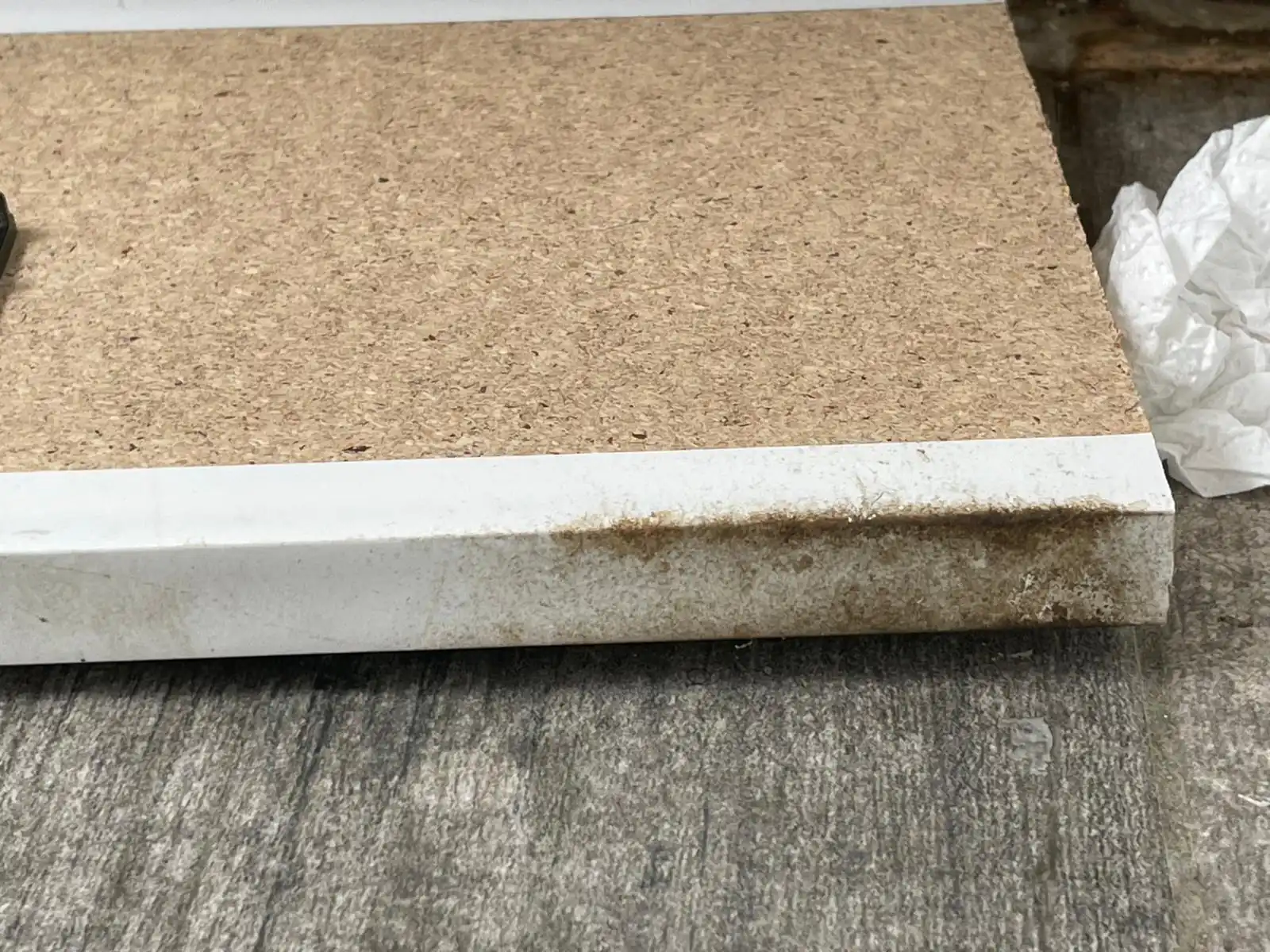
Mice have oily fur that leaves dark grease marks — known as smear marks — along surfaces they travel across repeatedly. These marks build up over time along skirting boards, around holes in walls, on pipe runs, and along the edges of kitchen plinths.
Smear marks are particularly visible around entry points. If you suspect mice are entering through a gap around pipework or under a door, look for dark, greasy staining on the surrounding surfaces. The heavier the staining, the more frequently that route is used.
In dusty environments like lofts and garages, you may also see footprints and tail drag marks. Sprinkling a light dusting of flour or talcum powder along suspected routes overnight is a simple way to confirm activity and map their travel paths.
Need professional help with mice control? BuzzKill Pest Control offers fast, effective treatment with no call-out charge.
Urine Pillars and Ammonia Smell
Mice urinate constantly as they move, leaving trails of micro-droplets that are invisible to the naked eye but detectable under UV light. In severe, long-standing infestations, urine and droppings combine with grease and dirt to form small mounds known as urine pillars — these can reach 2cm in height and are a sign of heavy, sustained activity.
A strong ammonia smell in enclosed spaces — inside cupboards, behind kick boards, in the loft — is another indicator. The smell intensifies as the infestation grows and is especially noticeable first thing in the morning in rooms that have been closed overnight.
Mouse urine contains allergens that can trigger asthma and allergic reactions, particularly in children. This is one reason why early intervention is important even if the mice are not causing visible damage.
Nesting Material
Mice build nests from shredded soft materials — paper, cardboard, fabric, loft insulation, and even plant matter. Nests are loosely constructed balls roughly the size of a tennis ball, typically hidden in sheltered, warm locations close to a food source.
Common nesting sites include inside loft insulation, behind kitchen appliances, inside cavity walls, under bath panels, inside stored boxes in garages, and behind boiler cupboard panels. If you find shredded material in any of these locations, a nest is very close by.
Finding a nest confirms an established breeding population. Female mice can have 5 to 10 litters per year with 4 to 12 pups each, so a single nest can rapidly generate a significant infestation if left untreated.
What to Do If You Find Signs of Mice

If you have identified one or more of the signs above, act immediately. Start by storing all food in glass or metal containers, sealing bins, and clearing up any spilled pet food. Reducing available food makes traps and bait more effective.
Inspect the exterior of your property for entry points — pay particular attention to gaps around pipes, vents, and where cables enter the building. Mice can squeeze through holes as small as 6mm (the width of a pencil). Our mouse deterrent guide covers proofing techniques in detail.
For anything beyond a single mouse, professional treatment is strongly recommended. Mice breed so rapidly that a small problem can become a serious infestation within weeks. Our how to get rid of mice guide explains when DIY methods work and when to call in a professional.
Frequently Asked Questions
Can mice live in walls without you knowing?
Yes. Mice commonly nest inside wall cavities, travelling through gaps around pipework and wiring. You may only notice their presence from scratching sounds at night or droppings appearing along skirting boards.
Can I have mice and not know it?
Yes, easily. Mice are nocturnal and avoid open spaces. A small population can live inside wall cavities and loft spaces for weeks without you seeing one. Droppings in cupboards and scratching sounds at night are usually the first signs noticed.
What does a mouse nest look like?
Mouse nests are loosely constructed balls of shredded material — paper, cardboard, fabric, or loft insulation — roughly the size of a tennis ball. They are hidden in warm, sheltered spots close to food sources.
Do mice only come into houses in winter?
Mice enter homes year-round, but activity peaks in autumn and winter when outdoor food sources decline and temperatures drop. However, mice that enter in winter often stay permanently if they find food and shelter inside.
Should I be worried about mouse droppings in my kitchen?
Yes, seriously. Mouse droppings carry Salmonella and other bacteria. If you find droppings on kitchen surfaces or inside food cupboards, disinfect all surfaces thoroughly and store all food in sealed containers immediately.
Professional Mice Control Service
Learn more about our mice control service, pricing, treatment methods, and customer reviews.
View Mice Control Service