
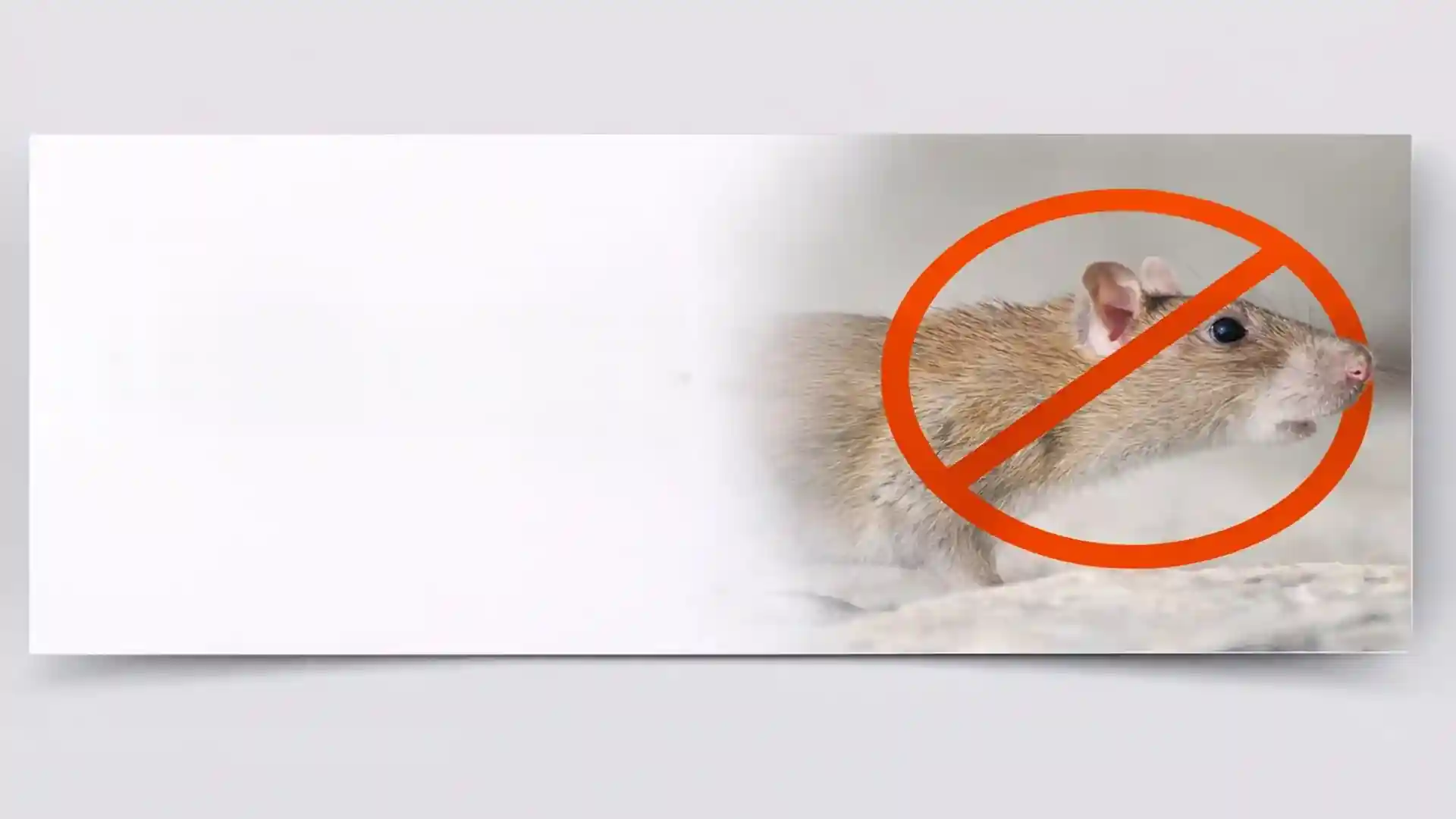
Rat Control in Bow
Expert Rat Exterminator — Same-Day Response Across London & Essex
Professional Rat Control & Removal in Bow
Rats are not just a nuisance — they are one of the most dangerous pests in the UK. They carry life-threatening diseases including Leptospirosis (Weil's disease), Salmonella, Hantavirus, and E. coli, all transmitted through their urine, droppings, and contaminated surfaces. A single rat produces up to 40 droppings per day and urinates constantly as it moves — contaminating your floors, kitchen surfaces, and stored food every night in Bow.
Weil's disease is the most serious risk — contracted through contact with rat urine in water or soil, it can cause kidney failure, liver damage, and death if untreated. Salmonella and E. coli from rat droppings cause severe food poisoning, particularly dangerous for children and the elderly. Rats also carry fleas, ticks, and mites that spread secondary infections throughout your home.
Every day you delay, the infestation grows. A female brown rat reaches sexual maturity at just 5 weeks old and can produce up to 6 litters per year with 6 to 12 pups each. That means a single pair of rats can generate over 70 offspring in a year, and their young start breeding within weeks. Rats are also territorial — once established, they will not leave voluntarily. They gnaw through electrical cables, water pipes, wood, and even concrete, causing fires, floods, and thousands of pounds in structural damage.
At BuzzKill Pest Control, we provide rapid rat treatment in Bow — a full property survey, professional-grade baiting, CCTV drain surveys where needed, and complete proofing to stop them coming back. Early intervention is always cheaper and more effective than waiting. For businesses, we also offer commercial rat control contracts with scheduled monitoring.






Get Rid of Rats
Prices from £190 for a full property survey and initial treatment.
To get rid of rats from your home or business premises call 0203 468 1999
How much does rat treatment cost?
| Survey + initial baiting treatment | from £190 |
| Follow-up visit and bait replenishment | included |
| CCTV drain survey | from £195 |
| Rat proofing (entry point sealing) | from £150 |
Our Treatment Guarantee
All rat treatments include one initial visit and one follow-up visit. The follow-up is included at no extra charge to check bait uptake, remove dead rats, and assess whether the infestation has been resolved. Any additional visits beyond the two included will be quoted separately.
- Treatment uses professional-grade rodenticide in tamper-resistant bait stations, safe for homes with children and pets.
- CCTV drain surveys recommended where sewer access is suspected — the only way to confirm and fix the root cause.
- Full proofing recommendations provided after the initial survey to permanently prevent re-entry.
- Commercial premises are assessed individually and may require a tailored contract service agreement.
Why DIY Rat Control Often Fails
Shop-bought rat traps and poison bait may kill individual rats, but they do not solve the underlying problem. If the entry points are not sealed — particularly damaged drains and sewer pipes — new rats from outside will replace the ones you have removed within days. You end up in an endless cycle of baiting without ever eliminating the infestation.
Over-the-counter rodenticides contain the same active ingredients as professional products but at significantly lower concentrations. They take longer to work, and rats — being naturally cautious (neophobic) — may avoid unfamiliar bait for days or consume sub-lethal doses that build tolerance rather than killing them. Professional-grade rodenticides are formulated at concentrations designed for guaranteed colony elimination.
The biggest reason DIY fails is that homeowners cannot identify all the entry points. Rats enter through gaps as small as 25mm — around drainpipes, under doors, through air bricks, and most commonly through cracked or broken underground drainage. Mice can squeeze through gaps as small as 6mm, making proofing even more challenging. Without a CCTV drain survey, the root cause is often never found, and the rats keep returning no matter how much bait you put down.
How Our Rat Treatment Works
Rats are intelligent, cautious animals that avoid new objects in their environment — a behaviour called neophobia. This means poorly placed traps and bait are often ignored for days or even weeks. Our technicians understand rat behaviour and place bait stations along confirmed rat runs and near harbourage areas where rats are most active and least suspicious.
We use commercial-strength rodenticides in tamper-resistant bait stations that are far more potent than shop-bought alternatives. Complete colony elimination typically takes 2 to 4 weeks depending on infestation size. During treatment, it is essential that you remove all alternative food sources — store food in sealed containers, clear bins regularly, and do not leave pet food out overnight.
We cannot accept responsibility if any rats die in inaccessible locations where their bodies may cause odour — for example under floorboards, inside wall cavities, or in drain runs. This is an unavoidable risk with any rodenticide treatment and is the reason we recommend proofing and drainage repair as the permanent long-term solution.
A follow-up visit checks bait uptake, removes remaining bait, and disposes of any accessible dead rats. Our technician will assess whether further action is needed, check drains if applicable, and provide updated proofing recommendations.
Find the Area Near You
Search for treatment in your borough
Before Your Treatment — What You Need to Do
Preparing your property correctly before the technician arrives makes a significant difference to how quickly and effectively the treatment works. These steps help our technician assess the full extent of the problem and place bait in the most effective positions.
- Do not clean up droppings, gnaw marks, or any other signs of damage before the visit — your technician needs to see these to identify rat runs, entry points, and the scale of activity.
- Make a note of everywhere you have seen rats, heard scratching, or found droppings — including times of day. This helps us build a picture of their movement patterns across your property.
- Remove all bird feeders and stop feeding wild birds immediately. Spilled seed is one of the biggest food sources that sustains rat populations in residential areas.
- Stop adding food waste, cooked scraps, or meat to your compost heap straight away. Compost bins with food material are a magnet for rats and will undermine any treatment if left in place.
After Treatment — Preventing Rats From Returning
Killing the existing rats is only the first step. If the conditions that attracted them are not addressed, new rats will move into the same territory — sometimes within days. The following measures tackle the root causes and are essential for long-term protection.
- Do not resume feeding wild birds. Ground-feeding in particular scatters seed that rats rely on as a primary food source, especially overnight when birds are not feeding.
- Clean up all pet food immediately after feeding — never leave bowls of dog or cat food sitting outside or in garages overnight. Store bulk pet food and animal feed in heavy-duty sealed containers that rats cannot chew through.
- Remove animal droppings from gardens, runs, and hutches daily. Never add animal waste to compost heaps — it attracts rats and provides both food and nesting material.
- Rat-proof all animal hutches, chicken runs, and rabbit enclosures using heavy-gauge galvanised mesh with gaps no larger than 25mm. Rats will chew through chicken wire and thin plastic.
- Keep all wheelie bins and rubbish bags securely closed and stored on hard standing where possible. Open or damaged bins are an easy food source that will draw rats back to your property.
- Stop composting cooked food, meat, fish, and dairy products entirely. If you continue composting garden waste, check the heap regularly for burrow holes and gnaw marks — compost heaps provide warmth and shelter that rats will exploit.
- Inspect the outside of your property for gaps and holes — around pipework, under doors, where cables enter walls, around air bricks, and where extensions meet the main building. Seal any gaps larger than 15mm using steel wool, cement, or galvanised mesh. Your technician will provide specific proofing recommendations during the follow-up visit.
Our Happy Rat Control Customers
"We had rats in the loft. BuzzKill found the broken sewer pipe they were using to get in. They fixed the pipe and the rats were gone. Amazing."
"Fast response and very professional. They used secure bait boxes so we didn't have to worry about our dog. Highly recommended."
"I was terrified when I saw a rat in the garden. The technician was so calm and explained exactly what he was doing. Problem solved."
Rat Control Guides & Articles
Learn more about rat control with our in-depth guides covering identification, prevention, and treatment.
Frequently Asked Questions
How do I know if I have rats?
Look for dark, capsule-shaped droppings 10 to 20mm long, gnaw marks on wood and plastic, greasy smear marks along walls and skirting boards, and burrow holes around 6 to 9cm wide near foundations or sheds. Scratching and thumping sounds at night — particularly at ground level or under floorboards — are strong indicators. Rat droppings are much larger than mouse droppings (3 to 8mm). For a full guide, see our article on signs of rats.
What diseases do rats carry?
Rats carry Leptospirosis (Weil's disease), Salmonella, Hantavirus, E. coli, and Toxoplasma gondii. These are transmitted through urine, droppings, and contaminated surfaces. Weil's disease in particular can be fatal if untreated and is contracted through contact with rat urine in water or soil.
How quickly do rats breed?
A female brown rat can breed from around 5 weeks old and produce up to 6 litters per year with 6 to 12 pups each. That means a single pair of rats can generate over 70 offspring in a year, and their young start breeding within weeks — making early intervention critical.
Will rats leave on their own?
No. Once rats find a reliable food source and shelter, they establish a territory and defend it. Without professional treatment and proofing to seal entry points, the colony will continue growing until the food supply is exhausted.
How do rats get into my house?
The most common entry point is through broken or cracked drains and sewer pipes. Rats are excellent swimmers and climbers — they travel through the sewer system and enter properties through damaged pipework, gaps around pipes, air bricks, cable entries, and under doors. A CCTV drain survey can identify if your drainage is compromised.
How long does rat treatment take?
Professional rat treatment typically takes 2 to 4 weeks depending on the size of the infestation. The first visit places bait stations and traps, followed by one or more follow-up visits to monitor bait uptake, remove dead rats, and seal entry points. Drain-related infestations may require additional CCTV surveys and repairs.
Are shop-bought rat poisons effective?
Shop-bought rodenticides contain the same active ingredients as professional products but at much lower concentrations. Rats can consume sub-lethal doses and develop tolerance. Professional-grade rodenticides are significantly more potent, and a trained technician places them in the correct positions along confirmed rat runs for maximum uptake.
How much does rat treatment cost?
Professional rat treatment at BuzzKill starts from £190 including a full property survey and initial treatment. CCTV drain surveys are available if drainage is suspected as the entry route. We provide free quotes with no call-out charge.
Related Pest Services
Other common pest problems we treat